In Nepal’s modern history, certain events have altered the nation’s trajectory. Janandolan-I in 1990, the Royal Massacre in 2001, Janandolan-II in 2006, the earthquake and blockade in 2015, the Covid-19 pandemic in 2020, and now the Gen-Z revolution in September 2025 have all left deep marks on the society and economy. Each crisis disrupted tourism, investment, the stock market, trade, jobs, and businesses. Yet, every time, no matter the extent of implications, Nepal has managed to recover. The question is no longer about whether Nepal will survive but about how it can rebuild and emerge stronger from the latest shock.
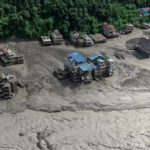
As we assess the economic crisis posed by the latest shock in September 2025, it is normal to draw parallels from the earlier crises, and particularly from the earthquake, the most dreadful event of the decade. The 2015 Gorkha Earthquake caused an estimated USD 7.1 billion – USD 5.1 billion in damages and USD 2 billion economic loss. Recovery remained slow and was further impacted by the Indian blockade within six months. Five years later, the pandemic triggered Nepal’s first negative GDP growth in decades, contracting the economy by 2.4%. Businesses were shut and livelihoods lost, despite gradual recovery. Early reports suggest that the September 2025 events have led to the loss of USD 21 billion, which is half of Nepal’s GDP and three times the economic toll of the earthquake. Such figures, echoed by international platforms like BBC, warrant deep scrutiny. It is difficult to believe that the latest crisis, lasting only a week, has surpassed all other disasters and crises by such a wide margin. As with past shocks, reliable estimates will take time.
What is clear here is that framing this as grounds to delay Nepal’s graduation from the Least Developed Country (LDC) status is rather misguided. Foreign grants account for 2.72% of GDP, and the preferential export benefits Nepal stands to lose are marginal in absolute terms. Postponing graduation does not strengthen the economy. The real challenge is not to delay progress but to strengthen resilience. It is important to really understand Nepal’s economic position.
Nepal is continuously believed to have lower macro stability when compared to Bangladesh and Sri Lanka. On the contrary, Nepal’s foreign exchange reserves are at USD 20.03 billion. The national budget, roughly USD 10 billion, holds ample scope for reprioritization. Therefore, even a redirection of USD 2-3 billion would bridge the recovery gap in the next 2 years. Remittance inflows remain robust, exceeding USD 10 billion annually, with over 75% of the inflow flowing towards domestic consumption and savings. Revenue collection also continues to be resilient, even in the post-pandemic and post-earthquake times, despite the prediction of steep declines. These create room for cautious optimism and suggest that a shift in and enactment of fiscal priorities would allow Nepal to recover from this crisis in two years.
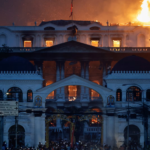
In the current context, tourism, one of Nepal’s vital sectors, holds unique challenges. While 60% of revenues come from domestic tourism and social events, international arrivals are far more sensitive to the Nepali image. Every bullet fired and every building burned damaged the perception abroad and undermines the confidence of potential tourists. It is important to restore Nepal’s image, which can be done through the roles played by the diaspora, similar to their initiative of choosing Nepal for family holidays and encouraging international networks to visit Nepal after the 2015 earthquake. A collective effort is required to re-establish Nepal as a rather safe, welcoming, and resilient destination.
For investment, credibility will depend on whether the government can demonstrate real change. The September 2025 protests were directed squarely at corruption, and investors will judge Nepal on its response. Breaking the nexus between politicians and businesses, holding corrupt actors accountable, and protecting businesses targeted by arson and vandalism remain crucial. With Rameshore Khanal at the helm of the Finance Ministry, it poses as an opportunity to implement the long-delayed reforms, particularly from the high-level committee on economic reforms he chaired. The immediate measures that can be enacted through cabinet decisions should be expedited. This could send a clear message about the investment readiness of Nepal to the world and could encourage the Nepali diaspora, who shunned Nepal due to corruption, red tape, and efficiency, to reconsider their stance.
The crisis also highlights a deeper generational demand: digital transformation. In a country where the interim leader was chosen on the technology platform Discord, citizens expect more from the government. The government is required to accelerate the pace of e-governance and digital services and also make voting more accessible to the diaspora through digital platforms. Young Nepalis are currently frustrated by bureaucratic hurdles in securing No Objection Certificates (NOCs) and equivalency certificates, getting driving licenses or passports, the endless documentation at banks, getting documents attested or certified, or just even having to go to different rooms in different government offices to provide physical signatures or thumbprints. A genuine digital revolution in the form of e-governance, app-based services, and diaspora voting could respond directly to the frustrations and match the aspirations of Nepali youths.
The protests in September 2025 offer another open moment in Nepal’s history. The best tribute to those who lost their lives, whether to indiscriminate state action or the violence of arsonists, is not despair but a determined reconstruction. Through strengthened fiscal stability, reformed governance, and embraced digital transformation, Nepal can move from crisis to prosperity. The world must not see Nepal as a failed state but as a resilient nation, capable of turning tragedy to transformation. This will truly allow Nepal to honor its past sacrifices and build a stronger and more inclusive country in the future.

Sujeev is the founder CEO of beed. He leverages over 25 years of experience in diverse fields and geographies to advise, lead and inspire. With comprehensive networks in Nepal’s public, private, civil and diplomatic sectors, Sujeev is a trusted business and policy advisor and respected strategic thinker. From economies of developing countries to economies of human beings, he moves across different worlds, with his passion for the Himalayas being the axis.