Translating the strong bonds between Nepal and Bangladesh into tangible economic partnership remains a collective responsibility.

Translating the strong bonds between Nepal and Bangladesh into tangible economic partnership remains a collective responsibility.

From Beijing’s smog-to-clear-sky transformation to the ground-up city of Xiong’an, China shows what’s possible when ambition meets execution, and Nepal’s real gap isn’t resources, it’s the will to think bigger and move faster.

Six decades on, UNDP’s core takeaway is simple: real development in Nepal has never come from outside aid, but from Nepali ownership and leadership driving the change itself.
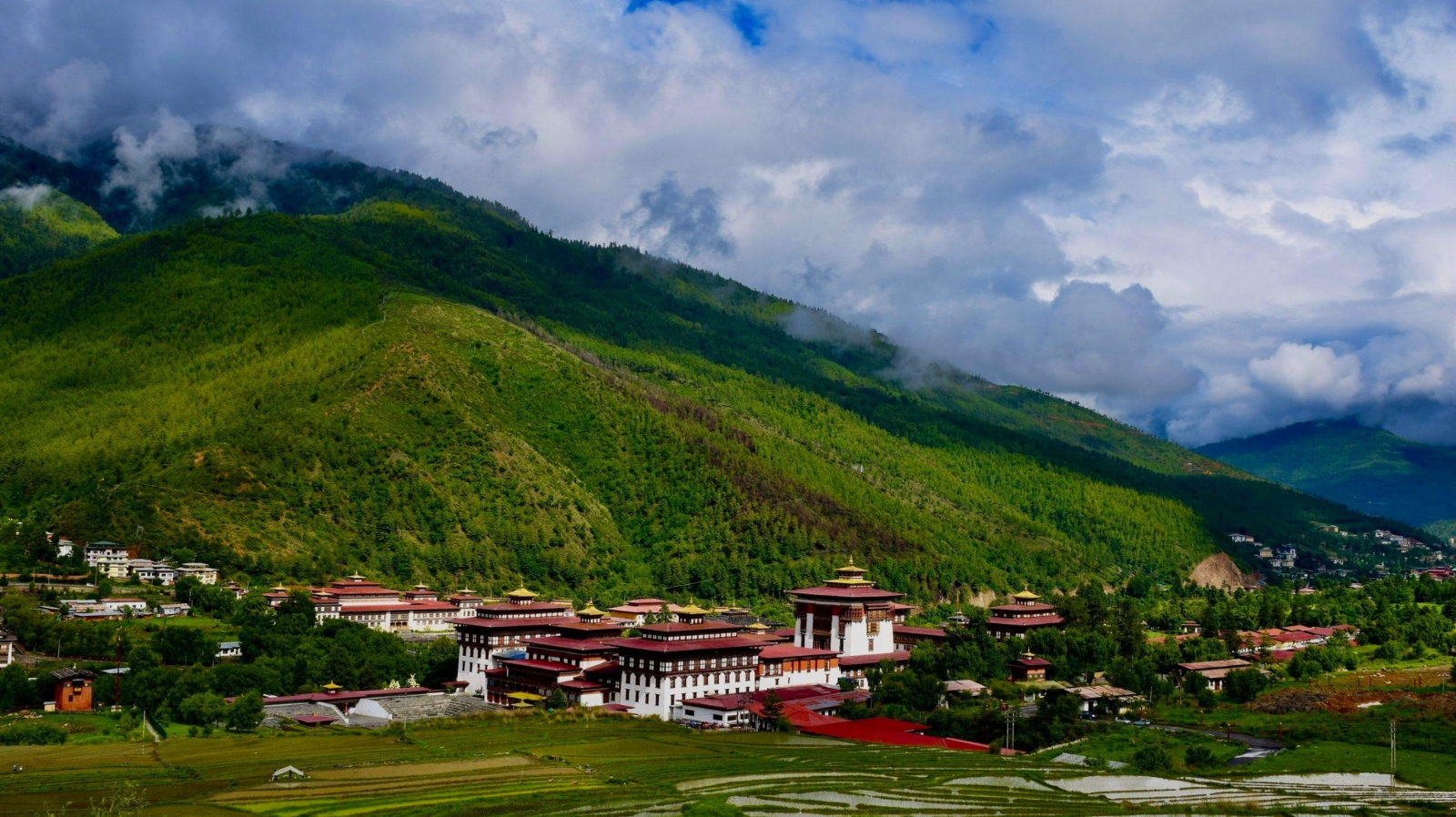
Nepal and Bhutan speak warmly about shared culture while leaving commercial cooperation to drift. That must change.

As Nepal pushes toward lower middle-income status and a new middle class emerges, a fundamental policy challenge remains unresolved: how to expand economic opportunity while ensuring a robust and inclusive system of social protection.

Muna’s experience is a microcosm of the way diplomacy and development assistance work hand in hand to achieve economic and social growth at the personal, community, and state levels.