Translating the strong bonds between Nepal and Bangladesh into tangible economic partnership remains a collective responsibility.

Translating the strong bonds between Nepal and Bangladesh into tangible economic partnership remains a collective responsibility.

As Nepal charts its recovery from COVID-19, Sameer Khatiwada of the Asian Development Bank makes the case for rebuilding differently: not by reinforcing old economic structures, but through a nationwide Green Jobs Program. Drawing on lessons from Switzerland, Indonesia, and Colombia. Arguing Nepal can revive its stagnant manufacturing sector and create jobs across the skills spectrum, all while protecting the very environment that makes it beautiful.
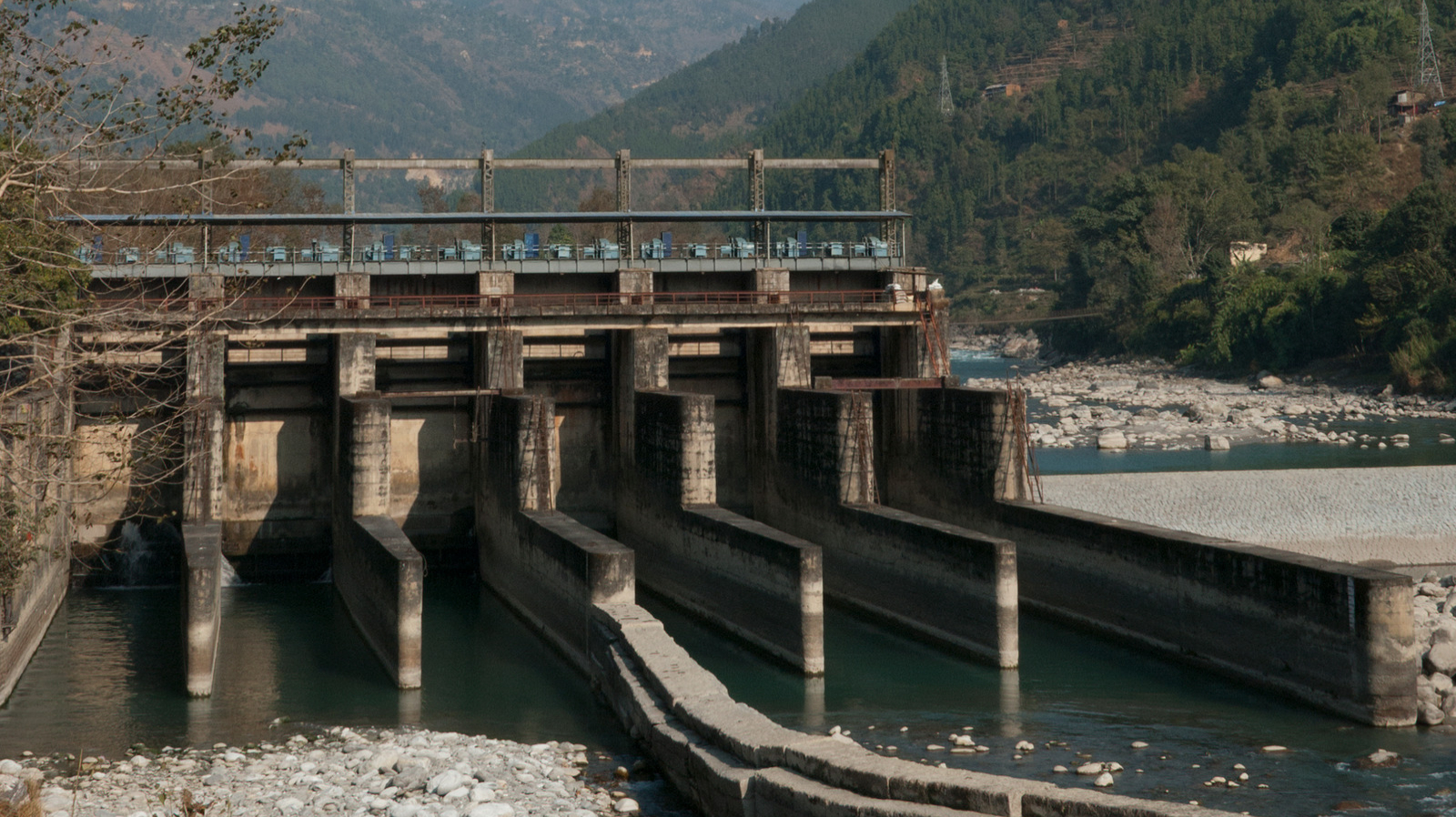
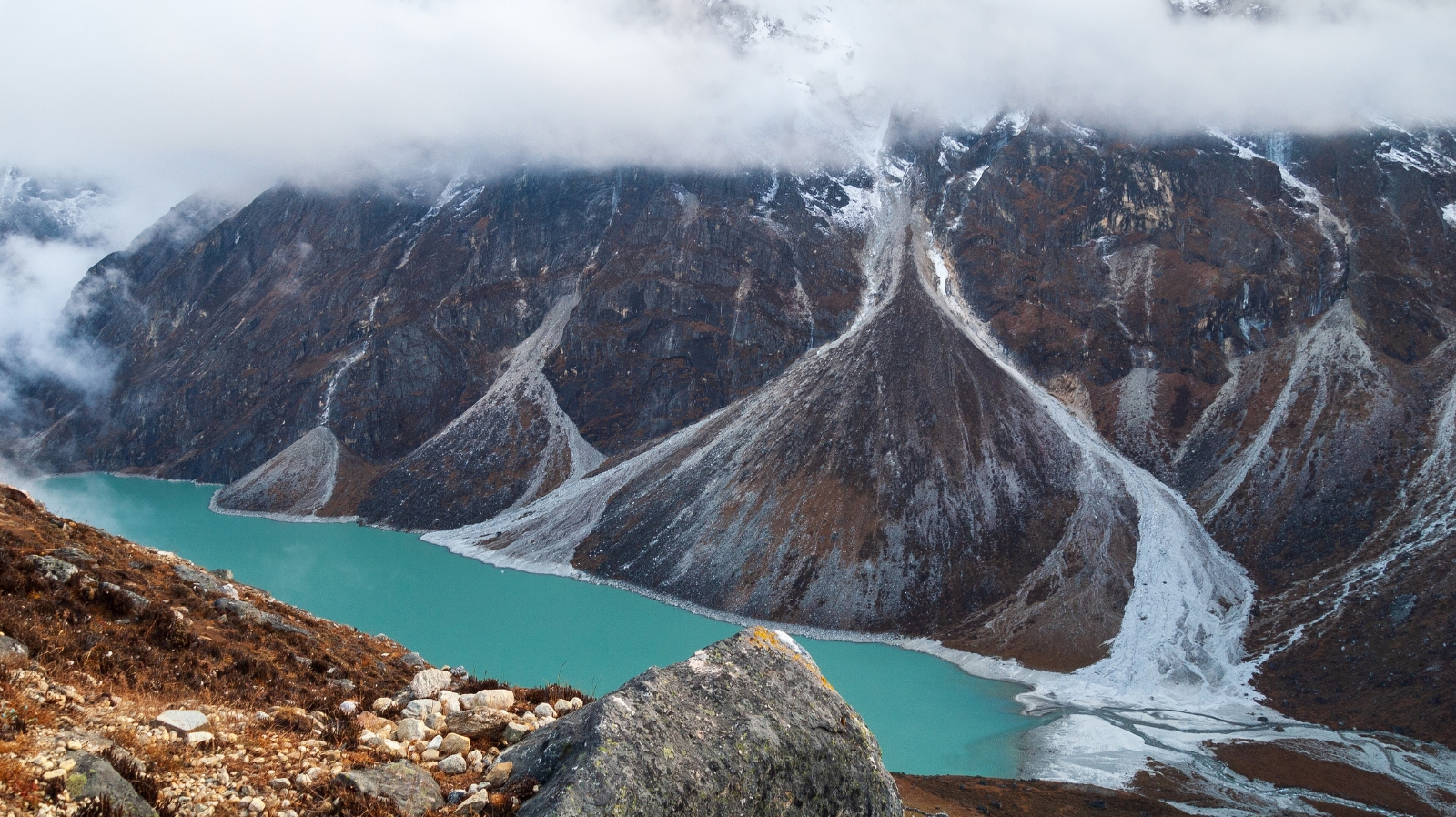
The August 2026 flood near Langtang Lirung caused heavy loss of life and damaged hydropower plants that supply a large share of Nepal’s electricity. It also interrupted a record year of power exports, and it points to a bigger question about how Nepal can build a more diverse and resilient economy.
Insurance, at its best, is a quiet partner in that resilience, not dramatic, not particularly visible, but present when everything else fails.

Nepal’s GDP barely moved after most of its floods, landslides, and fires since 2015 not because the damage wasn’t real, but because rebuilding spending gets counted as growth while the destruction itself is never subtracted.
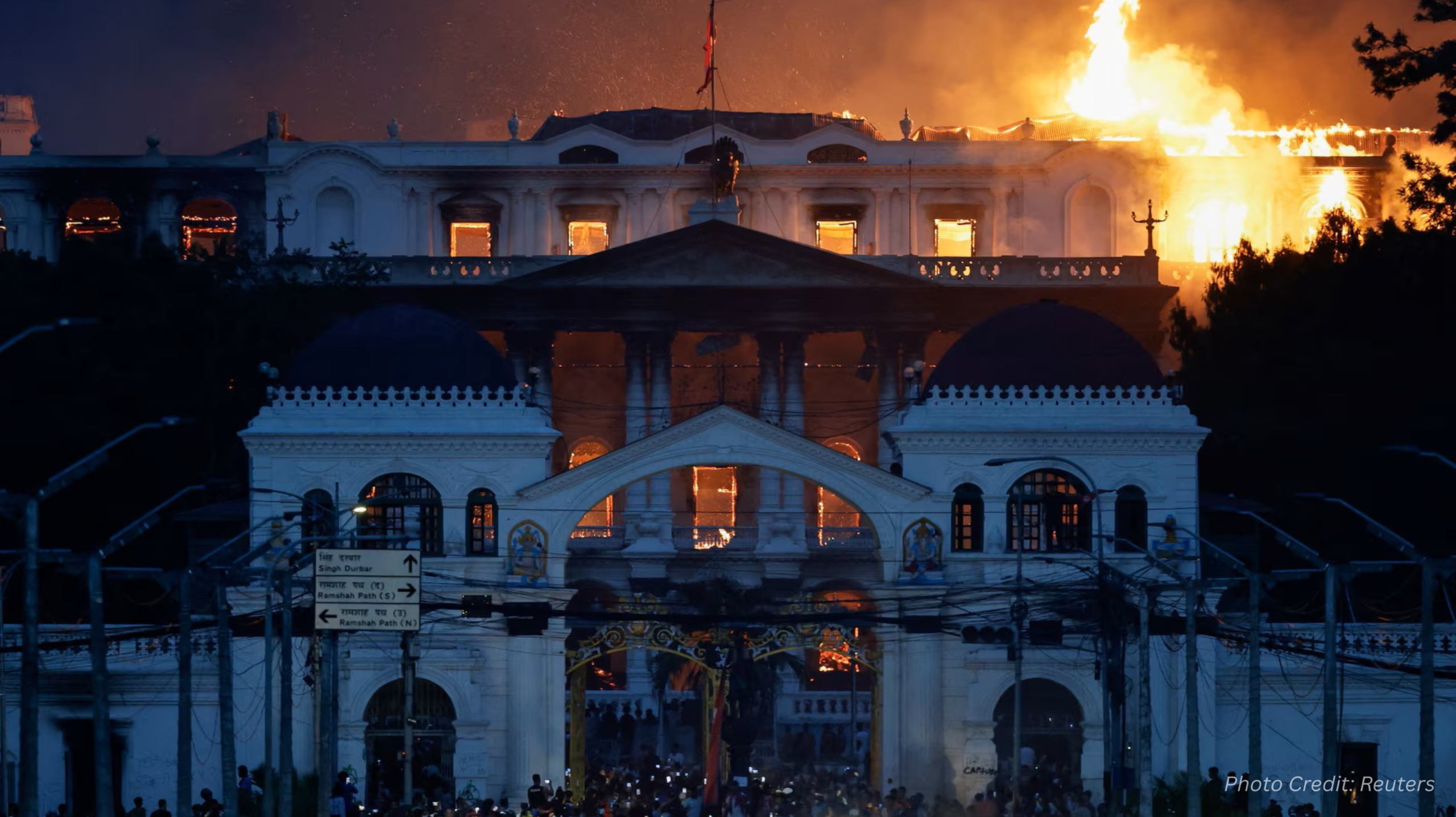
What does it take for a country to grieve two tragedies within a single year, and still choose to rebuild?