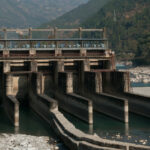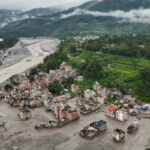
On a weekend trip to Kurintar, it took us two hours to cover a distance of 15 kilometers, meaning we would need around six hours to travel a mere hundred kilometers, or sixty miles. Road repairs and widening projects happen everywhere in the world, but I keep wondering why they are so poorly managed in Nepal. We spend comparable amounts of money per kilometer as many other countries and use similar equipment. Yet, our projects take longer, cause more disruptions, and deliver poorer results.
In my view, two major issues keep these problems recurring.
First, it is poor planning and execution of projects. When planning for these projects, it is essential to analyze vehicle movements in terms of peak travel hours, seasonal variation, and daily traffic flow. Different stretches of roads also come with different sets of challenges, such as rock-fall zones, landslide-prone cliffs, river encroachment, and settlement clusters, which are required to be accounted for in the construction strategy.
Where one-way movement is inevitable, it must be managed professionally. When we were traveling in Sri Lanka, we saw one-way road repairs controlled by traffic lights, as shown in the cover picture, ensuring predictable, safe, and non-arbitrary movement. This is common sense, yet uncommon in Nepal. With today’s traffic apps, GPS data, and CCTV cameras, regulating how many vehicles pass through a one-way stretch at a time is not rocket science. Installing temporary traffic lights costs far less than hiring personnel for months.
Similarly, the movement of slow and heavy vehicles needs strict regulation. There should be designated time windows for these vehicles to use highways. They should not be able to bypass rules by paying off police or making phone calls to powerful patrons. The economic cost of traffic delays is massive, not just in lost productivity but also in disruption of tourism, one of Nepal’s most promising sectors. Better planning and execution alone could dramatically change this.
Citizens also have a responsibility. It is not uncommon to see vehicles bypassing well-formed lines, overtaking recklessly, and creating bottlenecks. Before the September uprising, such behavior was particularly rampant, fueled by VIP culture, political privilege, and siren-driven entitlement. Even today, some people believe they are more equal than others.
During the traffic jam we were stuck in, a handful of vehicles that broke the queue created complete chaos. What is frustrating is that despite the traffic police being present and despite cameras capturing everything, these drivers face no penalties.
Yes, heavy vehicles can slow traffic, but overtaking must happen at safe and appropriate places. Citizens often complain about the “system” but refuse to acknowledge their own role in making it worse. In a society where a parent blames a son’s friends for his drunken return instead of holding the son accountable, it is unsurprising that everyone points fingers at others without reflecting on their own behavior.
Responsibility does not lie solely with the government and citizens. Nepal’s transport businesses are among the most organized private sector businesses, backed by powerful cartels disguised as associations. As a result, it is easier for them to coordinate with other stakeholders to ensure better training and strict punitive actions against drivers and vehicle owners who repeatedly break the law.
Similarly, automobile dealers, who earn billions in profits and contribute significantly in taxes, heavily invest in advertising. The resources could bring in global experts, hold stakeholder consultations, and design workable traffic management protocols.
Nepal has no shortages of well-traveled engineers and experts across government, the private sector, and development organizations. What we are short of is the willingness to turn PowerPoint presentations into action.
The challenge is not money but management. Nepal’s challenge is not a lack of resources. It is the lack of effective management, coordination, and intent. Road management is the most visible area where improvement is possible and where improvement would be immediately felt by citizens and tourists alike.
Small transformations, done consistently, lay the foundation to build a great nation!
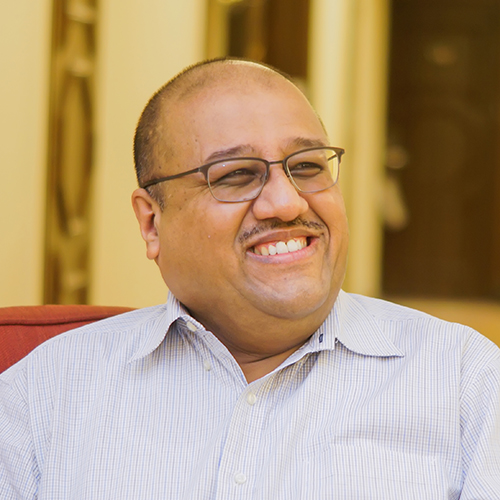
Sujeev is the founder CEO of beed. He leverages over 25 years of experience in diverse fields and geographies to advise, lead and inspire. With comprehensive networks in Nepal’s public, private, civil and diplomatic sectors, Sujeev is a trusted business and policy advisor and respected strategic thinker. From economies of developing countries to economies of human beings, he moves across different worlds, with his passion for the Himalayas being the axis.