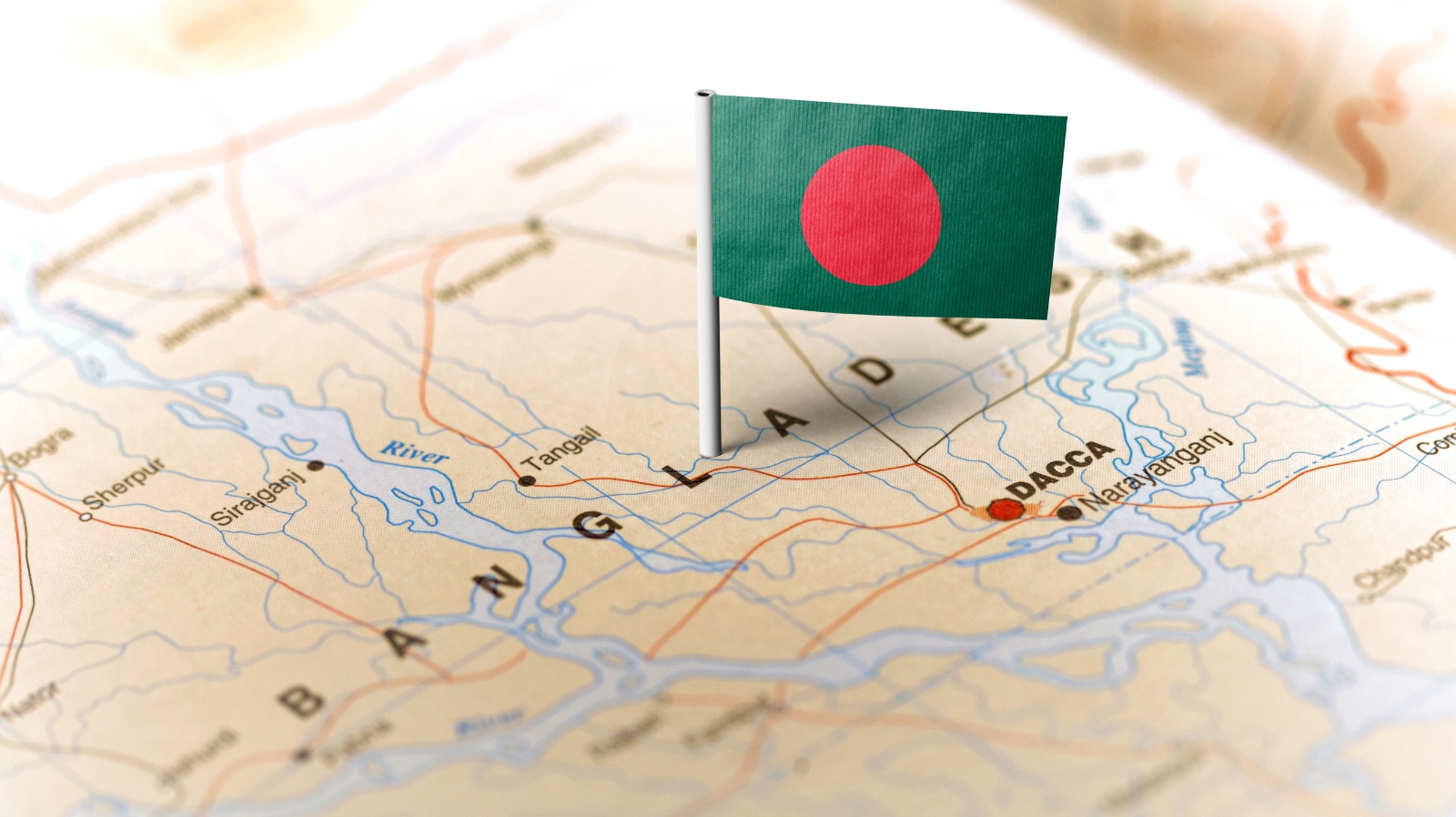
Separated by just the “chicken’s neck,” Nepal and Bangladesh remain close in geography but distant in economic engagement.
Despite decades of goodwill, Nepal-Bangladesh trade remains far below its potential, but strategic cooperation in power, connectivity, and investment could transform their partnership into a model of regional integration.
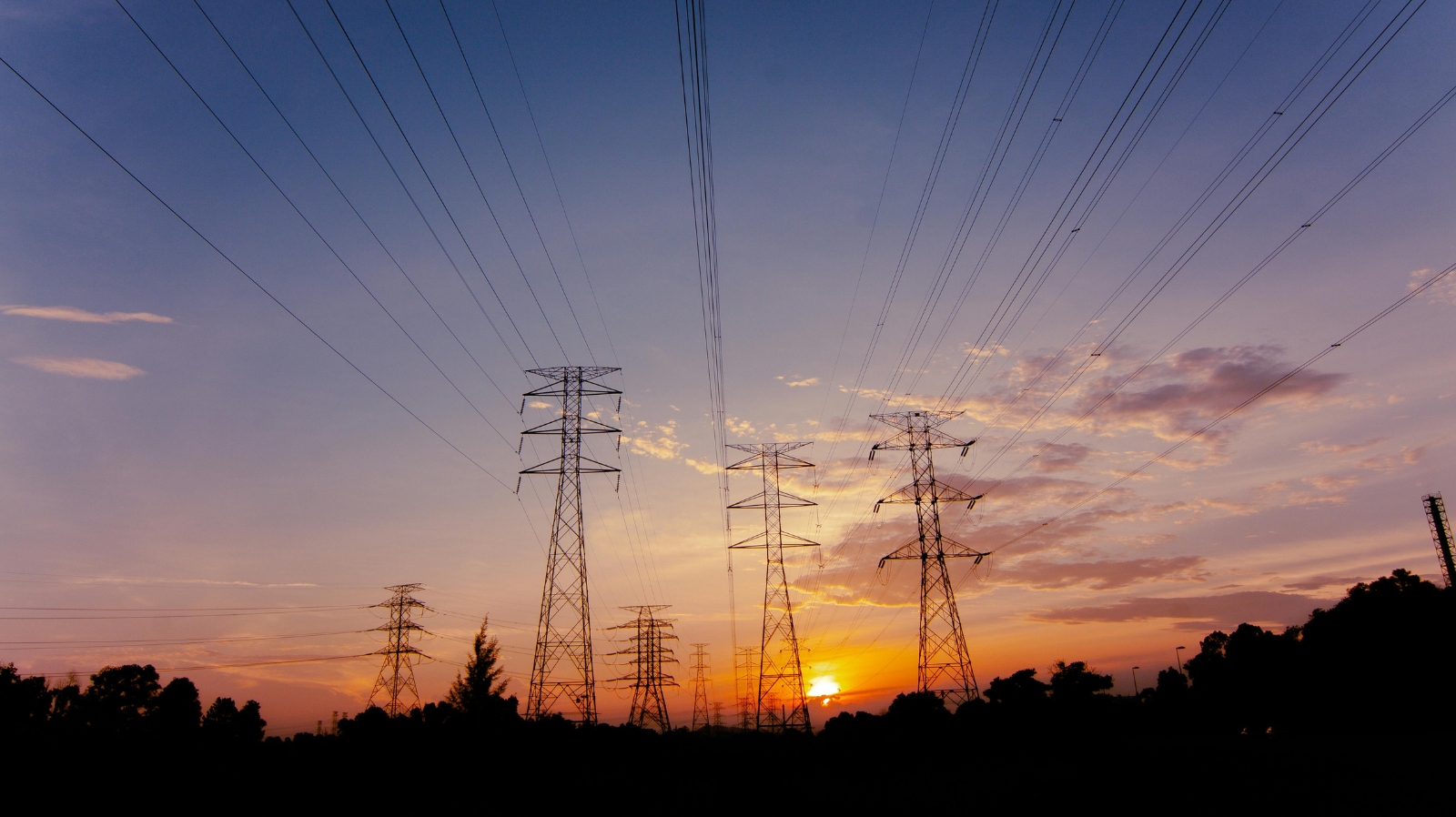
The historic power flow of 40 MW hydroelectricity from Nepal to Bangladesh via the Indian grid has opened a new chapter in our economic partnership — a symbolic beginning with the potential to promote hydropower cooperation as the centerpiece of our bilateral relations.
Bangladesh and Nepal are set for LDC graduation in November 2026, both must navigate bilateral trade agreements to limit revenue loss and remain competitive in the international market
Nepal’s recent Time Use Survey (2019) revealed that women of working age spend 5.9 hours daily on domestic work versus just 2.25 hours for men. Strategic investments in care infrastructure, drawing from lessons from the region, could free up women’s time for formal employment while simultaneously creating new jobs in the care services sector – thereby boosting Nepal’s female labor force participation rate from its current level of 28.7% in 2023.