As close neighbors, Nepal and Bangladesh share a bond based on mutual trust and tempered by time. This relationship can be described in terms of three major drivers: spirit of good neighborliness, economic partnership, and people-to-people and cultural bonds. These are the enduring bonds binding our two countries. On the first and third drivers, significant progress has been made. The two governments, the two countries, and the two peoples share a genuine spirit of friendship and good neighborliness ranging from the highest political levels down to the grassroots, and have consistently stood by each other in times of need.
Following the recent flash floods in Nepal, the Government and the people of Bangladesh stood with Nepal. Financial assistance of USD 1 million arrived from the Government of Bangladesh, alongside an outpouring of solidarity from the Bangladeshi people. To date, close to BDT 28 million has been contributed by Bangladeshi friends through the Embassy’s dedicated account . This is a clear token of tremendous support and solidarity. No friendship or relationship can be measured purely in financial terms, but the constant outreach from Bangladeshi friends, institutions, and agencies eager to assist flood victims exemplifies this bond.
Over the past four years as Ambassador, my top priority has been revitalizing bilateral instruments, mechanisms, and institutional platforms. Government mechanisms across foreign affairs, energy, commerce, agriculture, and water resources, among others, have been revitalized, with regular meetings taking place. Constant dialogue and follow-up are essential for any embassy to take stock of progress and address pending issues. Equally important, beyond government-to-government channels, strong networks have been forged between educational institutions, think tanks, and research bodies. Regular high-level visits and sustained interactions remain indispensable for neighborhood diplomacy.
On people-to-people ties and tourism, approximately 60,000 Bangladeshi tourists visited Nepal in 2025. Bangladesh remains one of the premier source markets for Nepal’s tourism sector, and this upward trend continues. The flow is mutual, as increasing numbers of Nepalis are also visiting Bangladesh. Around 2,500 Nepali students are currently studying in Bangladesh, primarily in medical sciences, a longstanding tradition that has endured for decades.
A notable milestone in recent months is the announcement of a bilateral T20 international cricket series between the two nations. For cricket enthusiasts, this will resonate strongly: Bangladesh is a full ICC Test-playing nation, while Nepal is an emerging associate member working hard to build its standing. Bringing this about was a personal priority upon arriving in Bangladesh, and, in a way, it stands as a capstone of my assignment in Dhaka. A three-match T20I bilateral series will take place in Kathmandu in March 2027.
However, alongside these political, cultural, educational, and sporting connections, it must be said plainly: there is still a long way to go on the economic partnership front.
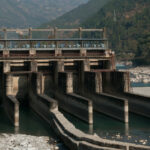
The historic commencement of cross-border hydropower trade between the two countries, the first trilateral arrangement of its kind in the sub-region involving Nepal, Bangladesh, and India, is a proud, watershed achievement. While the initial volume is modest, its symbolic and practical significance is immense, laying the foundation for expanded energy trade and regional economic integration.
Bilateral trade is increasing modestly, and investment links are expanding, but substantial work remains in trade facilitation, investment, and physical connectivity. Readily available opportunities in energy, tourism, education, and sports should be capitalized on, alongside structural priorities.
A central focus for NEF and CPD must be providing concrete recommendations on enhancing economic partnership, including pratical steps to conclude a mutually beneficial preferential trade agreement. While the main text has been finalized, concluding the product lists and rules of origin requires expedited progress. Similarly, the Double Tax Avoidance Agreement concluded in 2019 laid the groundwork for reciprocal investment, and feedback from the Bangladesh side is now awaited on the proposed Bilateral Investment Agreement (BIA).
We must realize that the solutions to regional problems lie within the region and sub-region itself. This underscores why platforms like SAARC BIMSTEC, and BBIN remain vital. While SAARC awaits revitalization, BIMSTEC provides a forum where the countries are negotiating frameworks across trade, investment, , tourism, trade, and climate change. These efforts, particularly around enhancing trade and investment links and joint tourism circuits, need to be accelerated.
Finally, I wish to underline two critical issues. First is climate change. Considering recent disasters, climate change should not remain confined to PowerPoint presentations and conference discussions. It requires actionable measures that impact lives. The Himalayas and the Bay of Bengal are organically linked; climate events in the mountains reverberate directly down to coastal and riverine communities. Communities living on the water’s edge face inherent vulnerabilities, requiring close collaboration to build shared resilience. Second is LDC graduation. Graduating from Least Developed Country status remains a defining milestone in both countries’ development journeys. UN ECOSOC submitted its recommendations following its July 21 meeting, and the issue is expected to be considered bythe UN General Assembly plenary session before November 2026. Both Nepal and Bangladesh have formally requested a three-year deferral, and close coordination of diplomatic efforts at the United Nations remains essential.
On regional and multilateral stages, Nepal and Bangladesh consistently find themselves aligned, sharing identical aspirations and concerns. However, it must be remembered that the closer two nations and their people become, the higher the mutual expectations will be. Translating these high expectations into tangible realities remains a collective responsibility.
The joint initiative by CPD and NEF is a vital step forward, one that should produce an actionable, substantive report to guide both governments, institutions, and citizens in taking Nepal–Bangladesh relations to new heights.
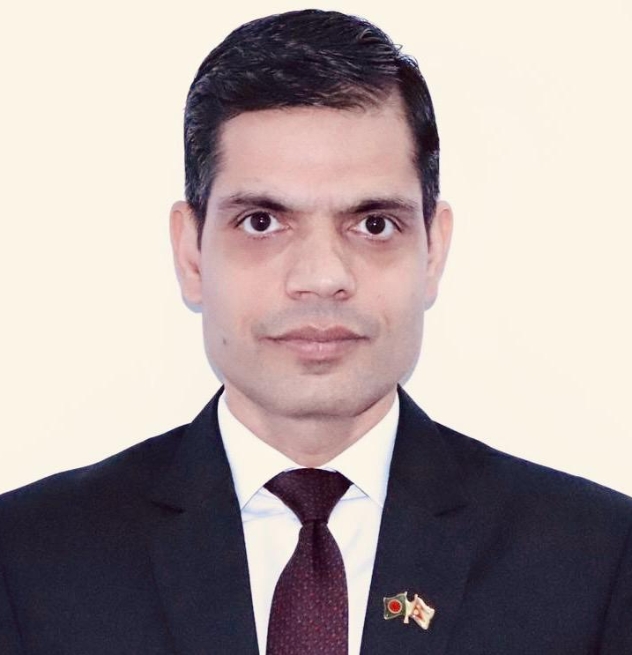
Ambassador Ghanshyam Bhandari, appointed on 31 July 2022, serves as Nepal’s Ambassador to Bangladesh. He previously held senior roles at Nepal’s Ministry of Foreign Affairs and missions in New York, Brussels, and Geneva. A former lecturer, he holds an MPhil in English Studies and a master’s in Political Science from Tribhuvan University.