
The Government of Nepal’s Rapid Damage and Needs Assessment (RDNA) is an estimate of damage and recovery caused by 2026 floods and landslides in Rasuwa, Nuwakot, Dhading, Gorkha, and Chitwan. RDNA is the first assessment done after any major disaster to roughly estimate the damage and destruction caused by it. The National Disaster Risk Reduction and Management Authority (NDRRMA) runs it together with the National Planning Commission (NPC), using existing government records, remote mapping, and satellite imagery rather than door-to-door surveys. The goal is speed: get rough damage and cost figures out within weeks so the government and donors have something to act on for emergency funding and relief. Those numbers then get checked and replaced by the Post Disaster Need Assessment (PDNA), which involves actual household surveys and engineering assessments on the ground, and that’s the document used for the real reconstruction budget. The RDNA figures published by NDRRMA are a working estimate meant to unlock immediate response, not the number that ends up in the final budget.
As of 23 September 2026, official records counted 1,451 recovered bodies and over 6,000 people still listed as missing, according to police and NDRRMA updates; 13,676 people had been rescued as of the most recent published tally. These are figures the government itself flags as provisional and subject to reconciliation. Energy Minister Biraj Bhakta Shrestha told Parliament on 23 September that more than 800 workers at hydropower project sites alone remained unaccounted for, nearly a month after the flood. On the property side, the RDNA assessment released on 13 September 2026 traces damage to 7,570 buildings, 8,317 households, and roughly 32,963 people across 15 local levels.
Add up every sector, and the RDNA puts total disaster effects (damage plus economic losses) at NPR 408.29 billion (USD 2.70 billion). The estimated cost of repairing and restoring the affected districts and making them more resilient/protected against future disasters is NPR 723.32 billion (USD 4.78 billion). This is about 1.8 times the value of the damage that was directly measured.
This article walks through all four sectors covered in Chapter 4 of the official RDNA report (social, productive, infrastructure and cross-cutting), sector by sector, subsector by subsector, at the national level rather than by district.
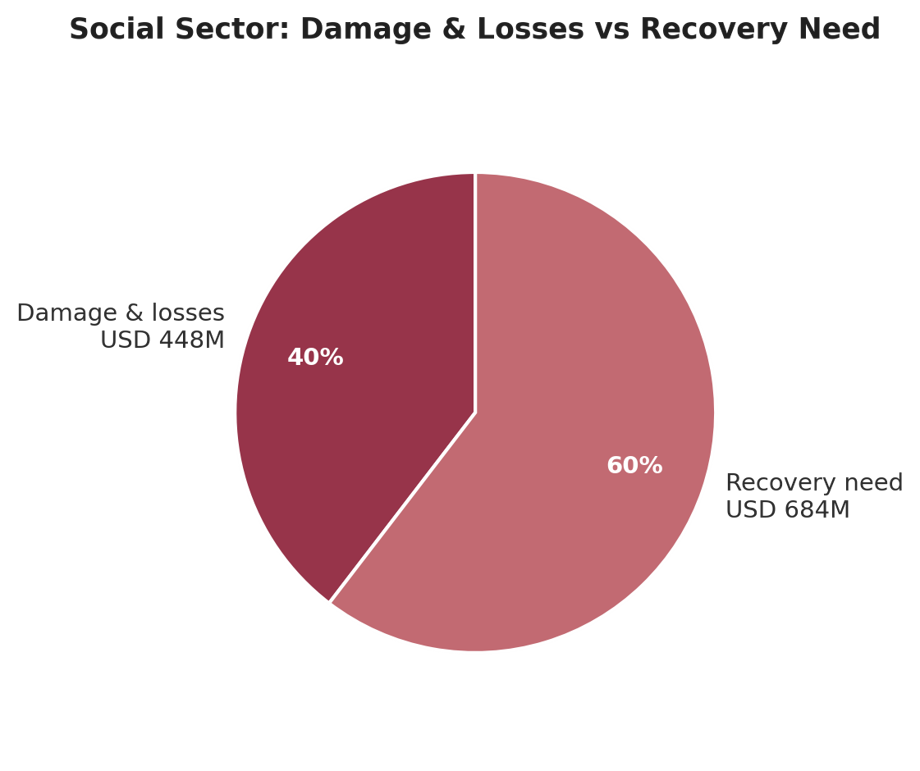
Fig. 1: Total disaster effects vs. total recovery need, all sectors combined. Source: RDNA.
1. Social Sectors
Housing, public buildings, schools, health facilities, and heritage sites make up the social sector. Total damage and losses come to NPR 67.87 billion (USD 448.05 million); recovery needs are put at NPR 103.55 billion (USD 683.59 million).
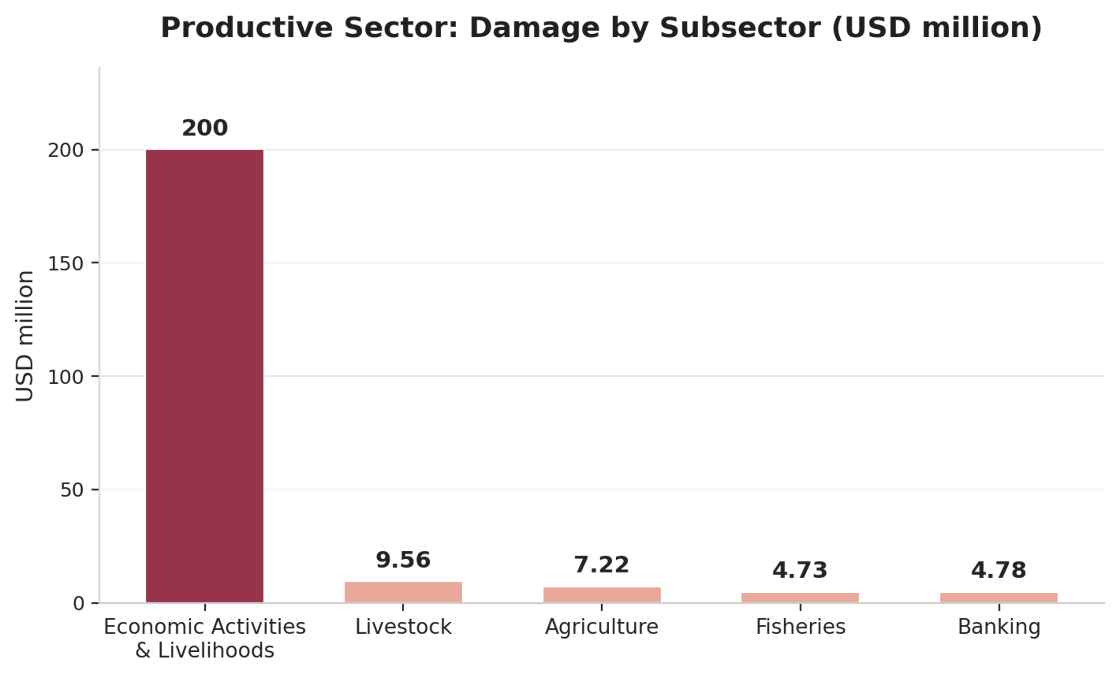
Fig. 2: Sub-sector Damage Assessment of Social Sector. Source: RDNA
1.1 Private Buildings and Household Assets
- Damage: NPR 63.88 billion (USD 421.74 million): building structures NPR 38.93 billion (60.9%), household assets NPR 24.95 billion (39.1%)
- Scope: 7,570 affected buildings and 8,317 estimated households across 15 local levels in 5 districts
- Where it concentrates: Bidur municipality (Nuwakot) alone accounts for NPR 28.78 billion; Bidur, Gosaikunda and Benighat Rorang together make up 73.0% of the total
- Recovery need: NPR 95.83 billion (USD 632.61 million)
- Phasing: NPR 480 million for early recovery (0–6 months), NPR 95.35 billion for longer-term reconstruction
1.2 Public Buildings and Facilities
- Damage: NPR 2.65 billion (USD 17.47 million)
- Scope: 48 affected facilities: 35 completely damaged, 13 partially damaged
- Largest single item: Two customs buildings, NPR 937.7 million, 35.4% of this subsector’s damage on their own
- Recovery need: NPR 4.23 billion (USD 27.95 million)
- Phasing: NPR 118 million early, NPR 4.12 billion long-term
1.3 Education
- Damage: NPR 937.3 million (USD 6.19 million)
- Scope: 18 schools, 56 buildings, 308 rooms across 6 local levels: 152 rooms partially damaged, 156 completely damaged
- Concentration: Bidur (Nuwakot) accounts for 150 of the 308 affected rooms and 53.2% of structural damage
- Recovery need: NPR 2.34 billion (USD 15.47 million)
- Phasing: NPR 105 million early (temporary learning centers, materials, counselling), NPR 2.24 billion longer-term
1.4 Health
- Damage: NPR 236.6 million (USD 1.56 million): structural NPR 195 million, health assets NPR 41.6 million
- Scope: 7 facilities: 1 partially damaged public hospital, 4 completely damaged health posts, 2 partially damaged primary health care centers
- Recovery need: NPR 780 million (USD 5.15 million)
- Phasing: NPR 125 million early, NPR 655 million longer-term
1.5 Cultural Heritage
- Damage: NPR 146.4 million in damage plus NPR 20 million in estimated annual losses, for NPR 166.4 million combined (USD 1.10 million)
- Scope: 47 assets recorded: 4 partially damaged, 43 completely damaged, including the Betrawati treaty stone (Sandhishila) and several temples and cremation sites
- Recovery need: NPR 366 million (USD 2.42 million)
- Phasing: Allocated entirely to longer-term recovery; no separate early-recovery budget
Social sector at a glance
| Total damage & losses | NPR 67.87 billion (USD 448.05 million) |
| Total recovery need | NPR 103.55 billion (USD 683.59 million) |
| Biggest line item | Private buildings: 94.15% of sector damage, 92.5% of sector recovery need |
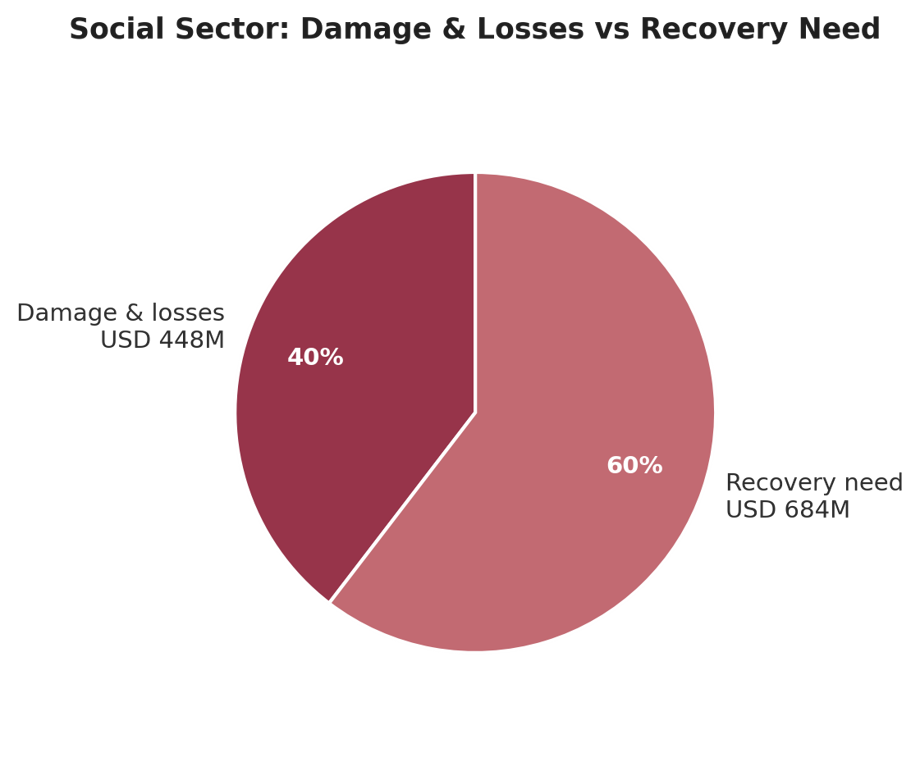
Fig. 3: Total Disaster Effects vs. Total Recovery Need, Social Sector. Source: RDNA.
2. Productive Sectors
Agriculture, fisheries, livestock, banking, and the broader economy (jobs, shops, transport-dependent trade) sit under productive sectors. This is where the RDNA’s damage and loss figures diverge most: NPR 34.29 billion in physical damage against NPR 116.09 billion in economic losses, for combined effects of NPR 150.37 billion (USD 992.70 million). Recovery needs come to NPR 50.77 billion (USD 335.19 million), smaller than the damage-plus-loss total, because lost income isn’t something recovery funding rebuilds; it’s simply gone.
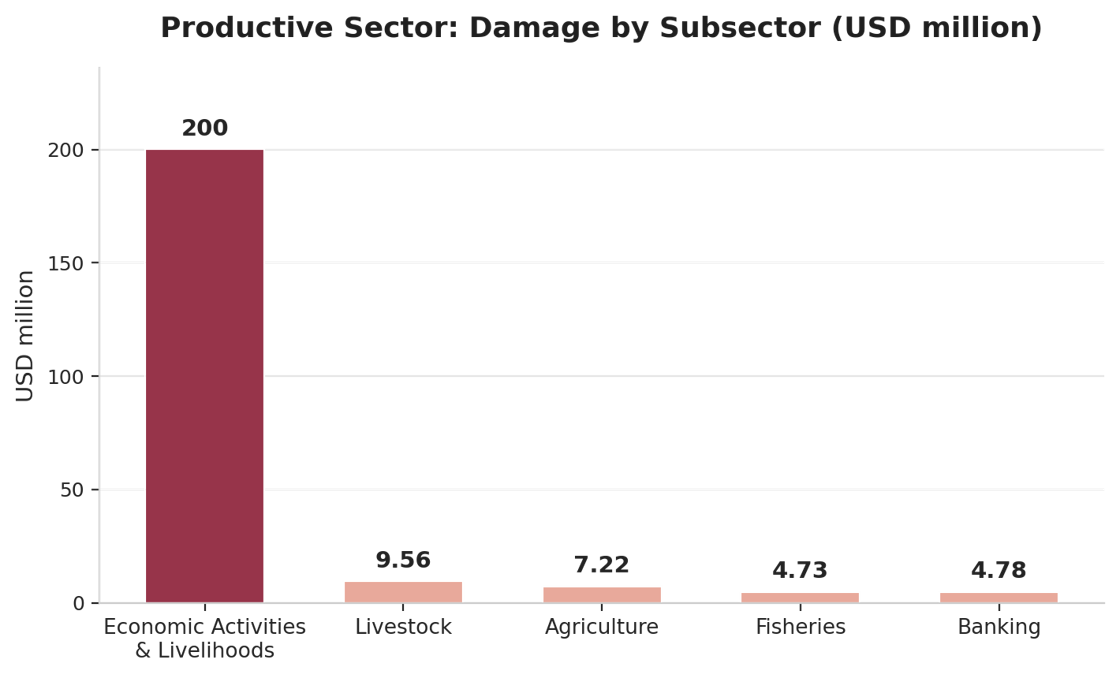
Fig. 4: Sub-sector Damage Assessment of the Productive Sector. Source: RDNA
2.1 Agriculture
- Damage: NPR 1.09 billion (USD 7.22 million)
- Scope: 1,806 hectares of crops affected (1,669 ha paddy, 137 ha vegetables), roughly 7,687 tonnes of production
- Recovery need: NPR 1.42 billion (USD 9.38 million)
- Phasing: NPR 350 million early, NPR 1.07 billion longer-term
2.2 Fisheries
- Damage: NPR 715.9 million (USD 4.73 million): buildings and accommodation (NPR 272.4 million) and ponds, raceways and hatcheries (NPR 266.5 million) together make up 75.3% of this
- Recovery need: NPR 1.07 billion (USD 7.09 million)
- Phasing: NPR 4 million early, NPR 1.07 billion longer-term
2.3 Livestock
- Damage: NPR 1.45 billion (USD 9.56 million)
- Concentration: Nuwakot accounts for about NPR 726 million, Dhading NPR 365 million, and Rasuwa NPR 324 million; Bidur alone is 35.3% of recorded damage
- Recovery need: NPR 1.74 billion (USD 11.47 million)
- Phasing: NPR 150 million early, NPR 1.59 billion longer-term
2.4 Banking and Financial Services
- Damage: NPR 724 million (USD 4.78 million) in building/asset damage, plus NPR 196 million in cash held in affected ATMs, vaults, and counters, for NPR 9.20 billion combined (USD 6.07 million)
- Location: Affected branches concentrated in Nuwakot and Rasuwa
- Recovery need: NPR 1.09 billion (USD 7.17 million)
- Phasing: Allocated entirely to longer-term recovery
2.5 Economic Activities and Livelihoods
- Damage: NPR 30.30 billion (USD 200.05 million) in damage to roughly 4,800 estimated affected establishments, plus NPR 115.89 billion (USD 765.07 million) in reported annual losses, for NPR 146.20 billion combined (USD 965.13 million)
- Why this subsector stands out: It accounts for 86.61% of all economic loss recorded in the whole assessment. Transportation assets and hotels/restaurants together make up 73.6% of the damage side
- Recovery need: NPR 45.46 billion (USD 300.08 million)
- Phasing: Allocated entirely to longer-term recovery
Productive sector at a glance
| Total damage | NPR 34.29 billion (USD 226.32 million) |
| Total losses | NPR 116.09 billion (USD 766.38 million) |
| Total effects (damage + losses) | NPR 150.37 billion (USD 992.70 million) |
| Total recovery need | NPR 50.77 billion (USD 335.19 million) |
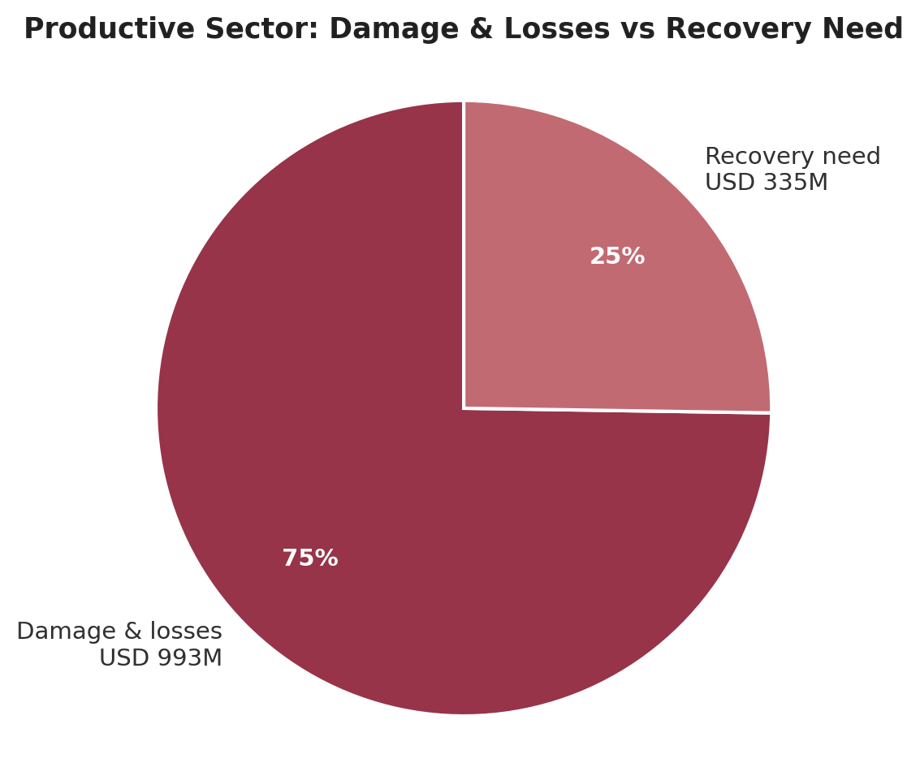
Fig. 5: Total Disaster Effects vs. Total Recovery Need, Productive Sector. Source: RDNA.
3. Infrastructure Sectors
Infrastructure is the largest sector in the RDNA on every measure: NPR 1.72 billion in damage, NPR 17.70 billion in losses, and NPR 190.04 billion in combined effects (USD 1,254.58 million). Recovery needs come to NPR 473.57 billion (USD 3,126.30 million), close to two-thirds of the entire national recovery bill. Energy alone drives most of that gap between damage and recovery cost.
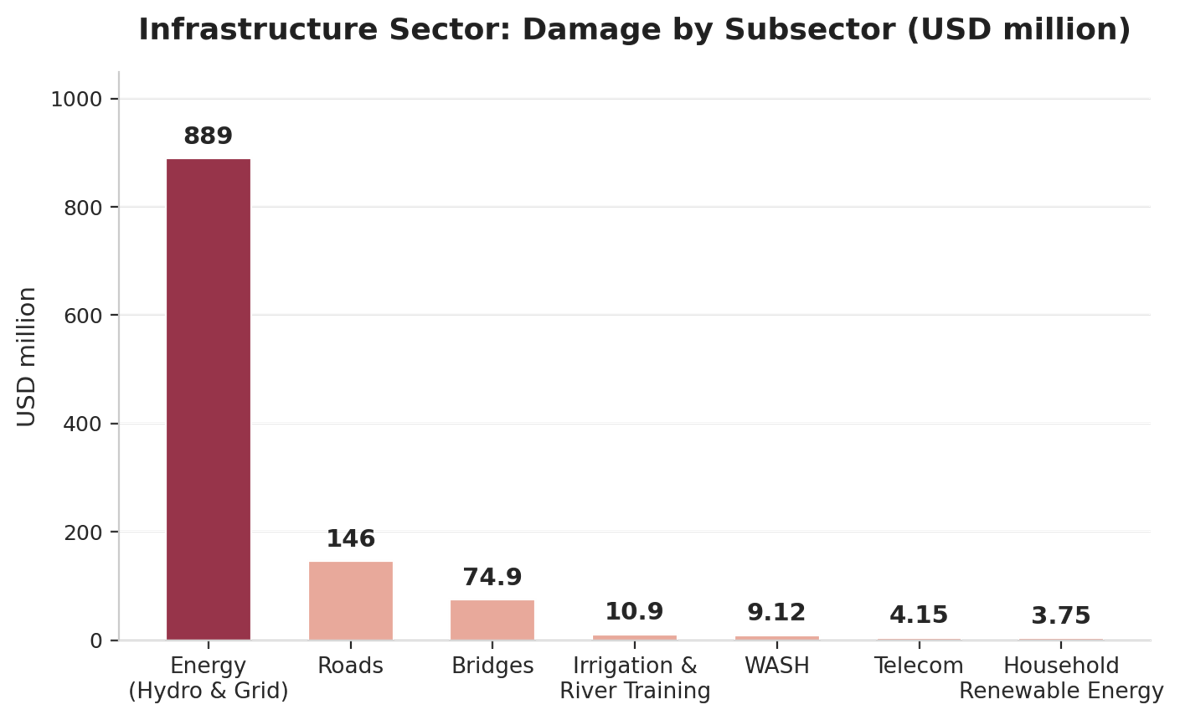
Fig. 6: Sub-sector Damage Assessment of the Infrastructure Sector. Source: RDNA
3.1 Energy: Hydropower and Grid
- Damage: NPR 134.70 billion (USD 889.21 million): hydropower assets make up NPR 119.96 billion , or 89.1%, of this
- Scope: 13 hydropower projects, 759 MW of affected capacity
- Losses: NPR 16.35 billion (USD 107.91 million) in lost generation, bringing total effects to NPR 151.04 billion (USD 997.13 million)
- Recovery need: NPR 390.62 billion (USD 2,578.71 million)
- Phasing: NPR 1.05 billion early, NPR 389.57 billion longer-term. Recovery cost here is roughly 2.6 times the measured damage, reflecting rebuild and resilience costs rather than simple repair
3.2 Household Renewable Energy
- Damage: NPR 568.4 million (USD 3.75 million): domestic biogas systems make up NPR 407 million, or 71.6% of this
- Scope: Covers solar home systems, domestic biogas, micro-hydro, and improved water mills
- Recovery need: NPR 1.65 billion (USD 10.88 million)
- Phasing: NPR 100 million early, NPR 1.55 billion longer-term
3.3 Roads
- Damage: NPR 22.07 billion (USD 145.71 million), plus NPR 1.35 billion (USD 8.91 million) in losses, for NPR 23.42 billion combined (USD 154.62 million)
- Scope: 69 km damaged along the Galchhi–Trishuli–Rasuwagadhi corridor; 14 km partially damaged, 55 km completely damaged
- Concentration: The Betrawati–Rasuwagadhi section alone is 79.7% of the damaged length and 84.1% of road damage
- Recovery need: NPR 55.18 billion (USD 364.28 million)
- Phasing: NPR 3.19 billion early, NPR 51.99 billion longer-term
3.4 Bridges
- Damage: NPR 11.35 billion (USD 74.93 million): motorable bridges NPR 9.41 billion , trail bridges NPR 1.94 billion
- Scope: 37 motorable bridges and 68 trail-bridge spans; Nuwakot accounts for 40.5% of affected motorable bridges and 49.5% of their damage
- Recovery need: NPR 18.16 billion (USD 119.90 million)
- Phasing: NPR 1.55 billion early, NPR 16.61 billion longer-term
3.5 Telecommunications
- Damage: NPR 629 million (USD 4.15 million)
- Recovery need: NPR 943 million (USD 6.23 million)
- Phasing: NPR 340 million early (ISP and network restoration), NPR 603 million longer-term
3.6 Water, Sanitation, and Hygiene (WASH)
- Damage: NPR 1.38 billion (USD 9.12 million)
- Recovery need: NPR 2.07 billion (USD 13.68 million)
- Phasing: NPR 513 million early, NPR 1.56 billion longer-term
3.7 Irrigation, River-Training Works, and Gauging Stations
- Damage: NPR 1.65 billion (USD 10.88 million): irrigation schemes account for 62.0% of this, river-training works 35.1%
- Recovery need: NPR 4.94 billion (USD 32.63 million)
- Phasing: Allocated entirely to longer-term recovery
Infrastructure sector at a glance
| Total damage | NPR 172.35 billion (USD 1,137.87 million) |
| Total losses | NPR 17.70 billion (USD 116.83 million) |
| Total effects (damage + losses) | NPR 190.04 billion (USD 1,254.58 million) |
| Total recovery need | NPR 473.57 billion (USD 3,126.30 million), 65.47% of all recovery needs nationally |
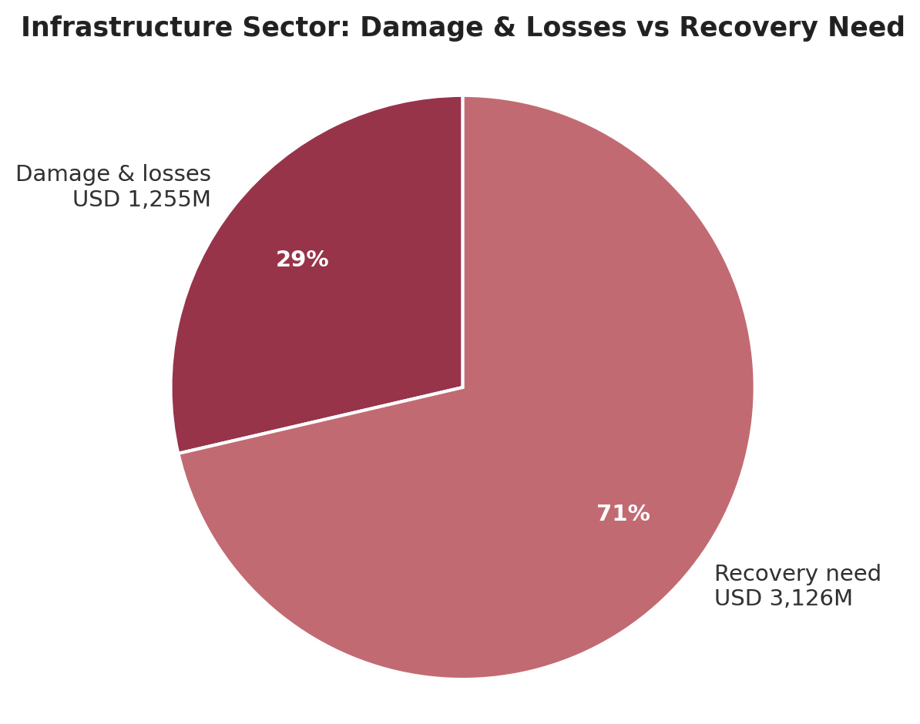
Fig. 7: Total Disaster Effects vs. Total Recovery Need, Infrastructure Sector. Source: RDNA.
4. Cross-Cutting Sectors
Cross-cutting covers land and cadastral impacts, governance, environment, debris and sediment management, disaster risk reduction, gender equality/disability/social inclusion (GEDSI), and protection and accountability. Of the seven cross‑cutting areas, four (land, governance, environment, and protection) have no monetary figure in the RDNA, as they are treated as qualitative gaps requiring further fieldwork rather than items with a readily available market price. The remaining three account for NPR 954.2 million in recovery needs (USD 629.91 million), despite recording zero direct damage, since none involve physical assets to be repaired.
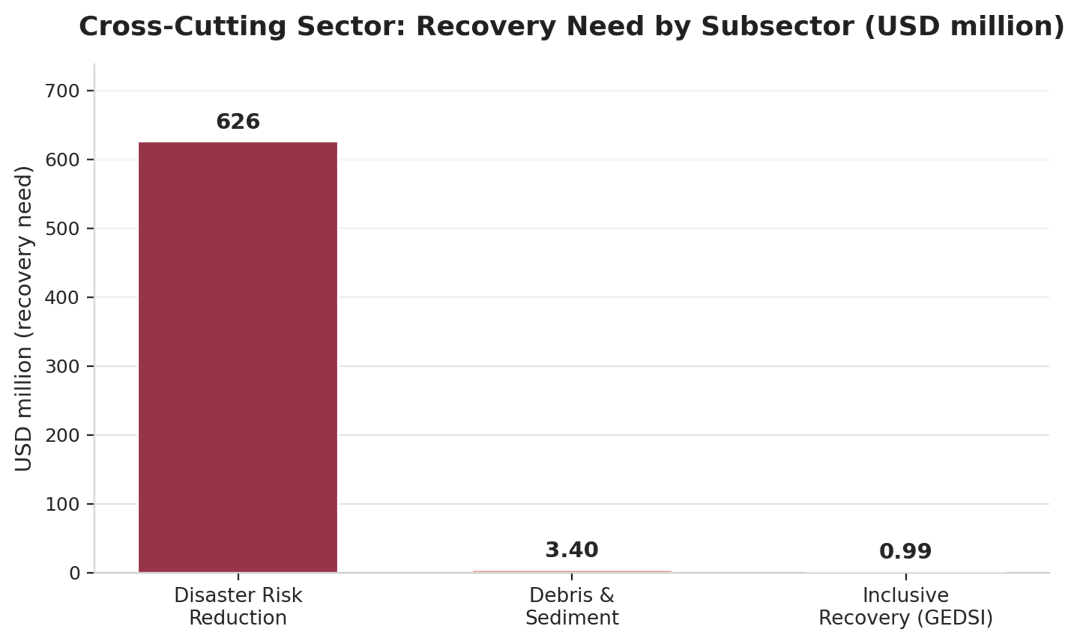
Fig. 8: Sub-sector Damage Assessment of the Cross-Cutting Sector. Source: RDNA
4.1 Debris and Sediment Management
- Recovery need: NPR 515.4 million (USD 3.40 million): NPR 307.3 million for corridor clearance, NPR 208 million for recorded building-debris clearance
- Phasing: NPR 160 million early, NPR 355.4 million longer-term
4.2 Disaster and Climate Risk Management
- What’s driving the cost: This is almost the entire cross-cutting bill on its own. The model covers 80 km of riverbank protection along a 40 km reach, 24 km of settlement-protection works, landslide protection, and a 700-hectare command-area provision
- Recovery need: NPR 94.75 billion (USD 625.52 million)
- Phasing: NPR 350 million for a multi-hazard early-warning system, NPR 94.40 billion for longer-term works
4.3 Gender Equality, Disability, and Social Inclusion (GEDSI)
- Recovery need: NPR 150 million (USD 0.99 million)
- Phasing: Allocated entirely to early recovery (0–6 months); the RDNA notes this figure is not a comprehensive valuation of all inclusion requirements
Assessed but not costed
- Land and Cadastral Impacts: Cadastral overlap mapped for selected wards in Rasuwa and Nuwakot (3,267 and 10,077 intersected parcels, respectively), but no monetary land-damage figure is derived from it.
- Governance and Public Institutions: the RDNA did not systematically assess staffing, records or institutional capacity, so no cost estimate is given beyond the public-building damage already counted under the social sector.
- Environment: erosion, sediment deposition, and damage to Langtang National Park facilities are documented, but the assessment did not include a comprehensive environmental survey, so ecological losses remain unquantified.
- Protection, Safeguarding, and AAP: Deaths, displacement, and disrupted services are noted as protection concerns, but the RDNA did not systematically assess gender-based violence, trafficking, or child-protection incidence, so this too has no cost line.
Cross-cutting sector at a glance
| Total damage | NPR 0.00 (no physical assets costed in this category) |
| Total recovery need | NPR 954.2 million (USD 629.91 million), 13.19% of all recovery needs nationally |
| Largest line item | Disaster risk reduction: 99.3% of this sector’s recovery need |
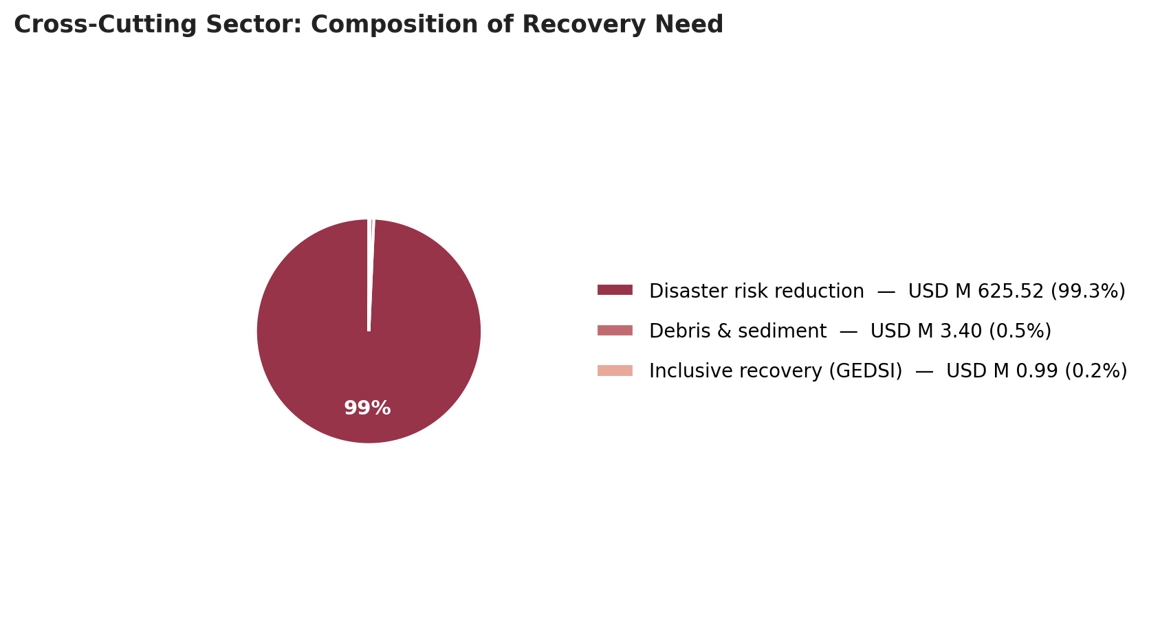
Fig. 9: Total Disaster Effects vs. Total Recovery Need, Cross-Cutting Sector. Source: RDNA.
The National Picture
Put all four sectors together, and the shape of the recovery bill is clear: infrastructure needs 65. 47% of total recovery funding, social sectors 14.32%, cross-cutting 13.19%, and productive sectors 7.02%. That is a different order from how damage itself is distributed, where infrastructure is 46.55% of total effects, productive 36.83%, and social 16.62%. Recovery costs more where rebuilding also means building back stronger, particularly in energy and flood protection.
All sectors, national totals
| Total damage | NPR 274.48 billion (USD 1,812.01 million) |
| Total losses | NPR 133.81 billion (USD 883.32 million) |
| Total disaster effects | NPR 408.29 billion (USD 2,695.33 million) |
| Early recovery need (0–6 months) | NPR 8.73 billion (USD 57.66 million) |
| Longer-term recovery need (beyond 6 months) | NPR 714.58 billion (USD 4,717.32 million) |
| Total recovery need | NPR 723.32 billion (USD 4,774.99 million) |
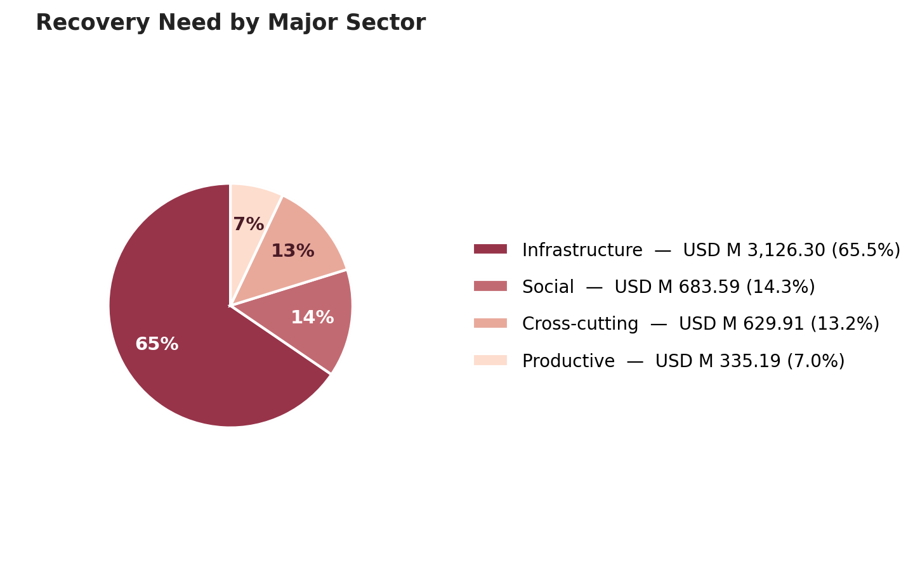
Fig. 10: Total Recovery Need. Source: RDNA.
Source: National Reconstruction Authority / Government of Nepal, Rapid Damage and Needs Assessment: Rasuwa-Bhotekoshi Flood 2026, Chapter 4 (Detailed Sectoral Findings) and Table 8 (Summary of Total Effects and Needs). USD figures calculated at NPR 151.48/USD, the NRB exchange rate on 9 September 2026. Human-impact figures as of 6:00 p.m., 10 September 2026; the government notes these remain subject to verification. Districts covered: Rasuwa, Nuwakot, Dhading, Gorkha, and Chitwan.

Aman KC is a graduating Bachelor of Business Information Systems (BBIS) student at Kathmandu University School of Management. His interests lie in business strategy, market research, and international business, with a focus on understanding Nepal’s evolving economic and business landscape. He is currently an Intern at beed Management and the Nepal Economic Forum. Whereas, Shubham is a BBA (Honors) Finance student at Kathmandu University School of Management. His interests lie at the intersection of development finance, economics, financial markets, and applied research. He is particularly interested in evidence-based economic policy, sustainable development, corporate governance, and the role of financial systems in fostering inclusive economic growth.