According to the Nepal Living Standards Survey-IV 2022-23, as many as 50.6% of individuals living in poverty have no education, with only 6.9% completing secondary school.

According to the Nepal Living Standards Survey-IV 2022-23, as many as 50.6% of individuals living in poverty have no education, with only 6.9% completing secondary school.
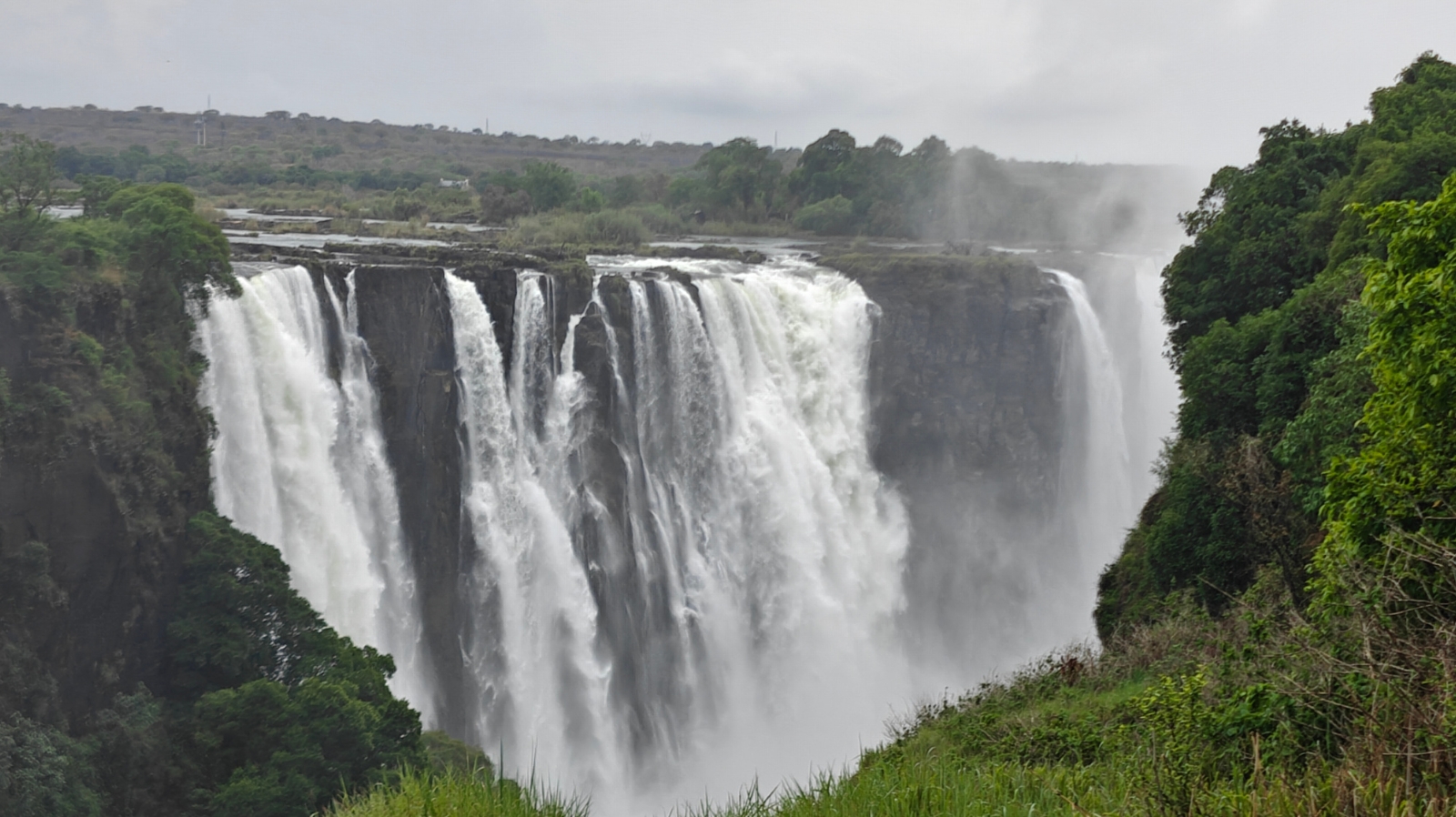
In 2024, Zimbabwe welcomed 1.6 million visitors, while Nepal welcomed 1.2 million visitors. However, the tourism earnings of Zimbabwe is USD 1.2 billion compared to Nepal’s USD 700 million.
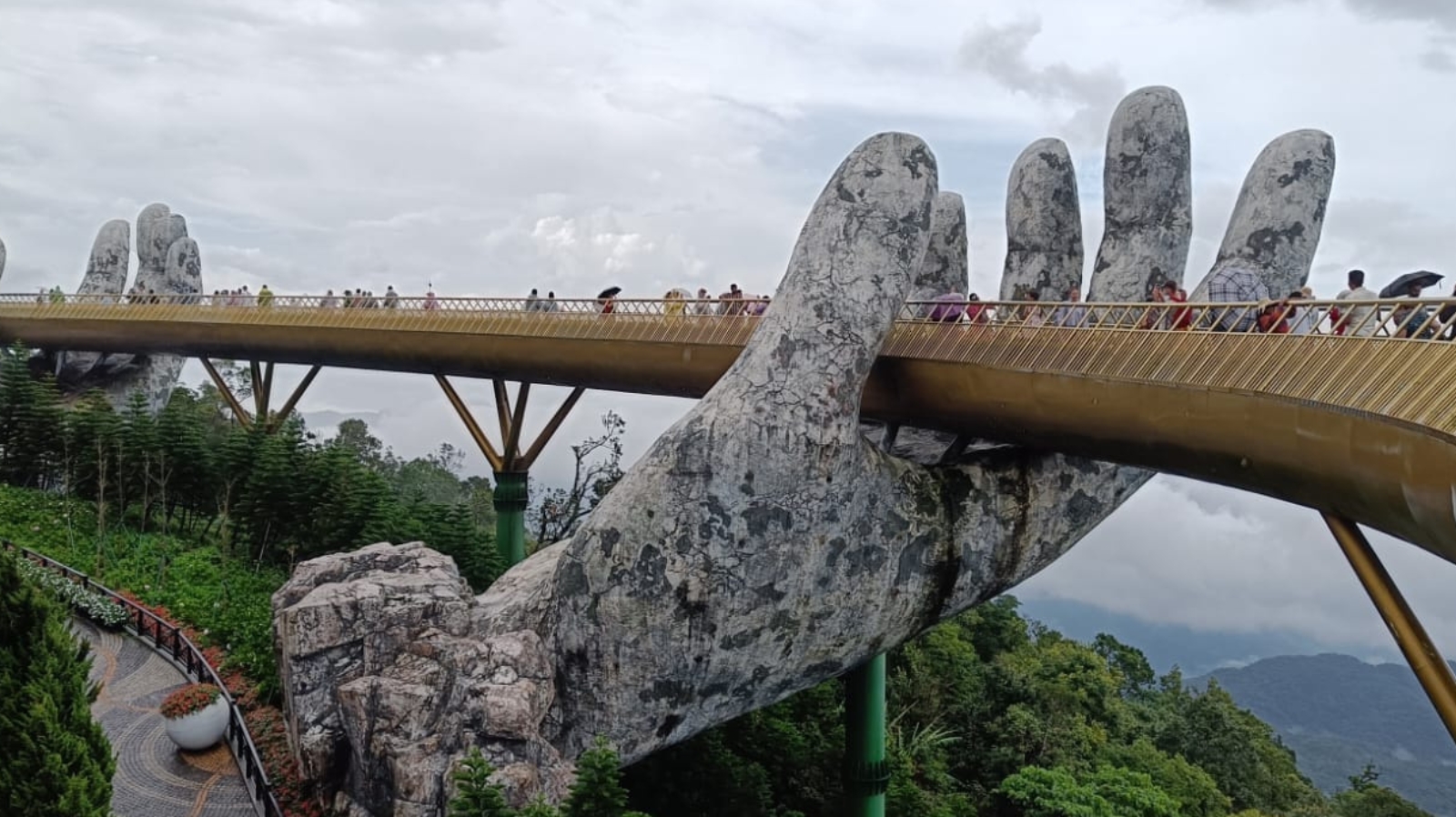
Nepal can learn from Vietnam that tourism transformation does not begin with mere grand investment but with everyday discipline, service excellence and civic pride, in short, getting the basics right.
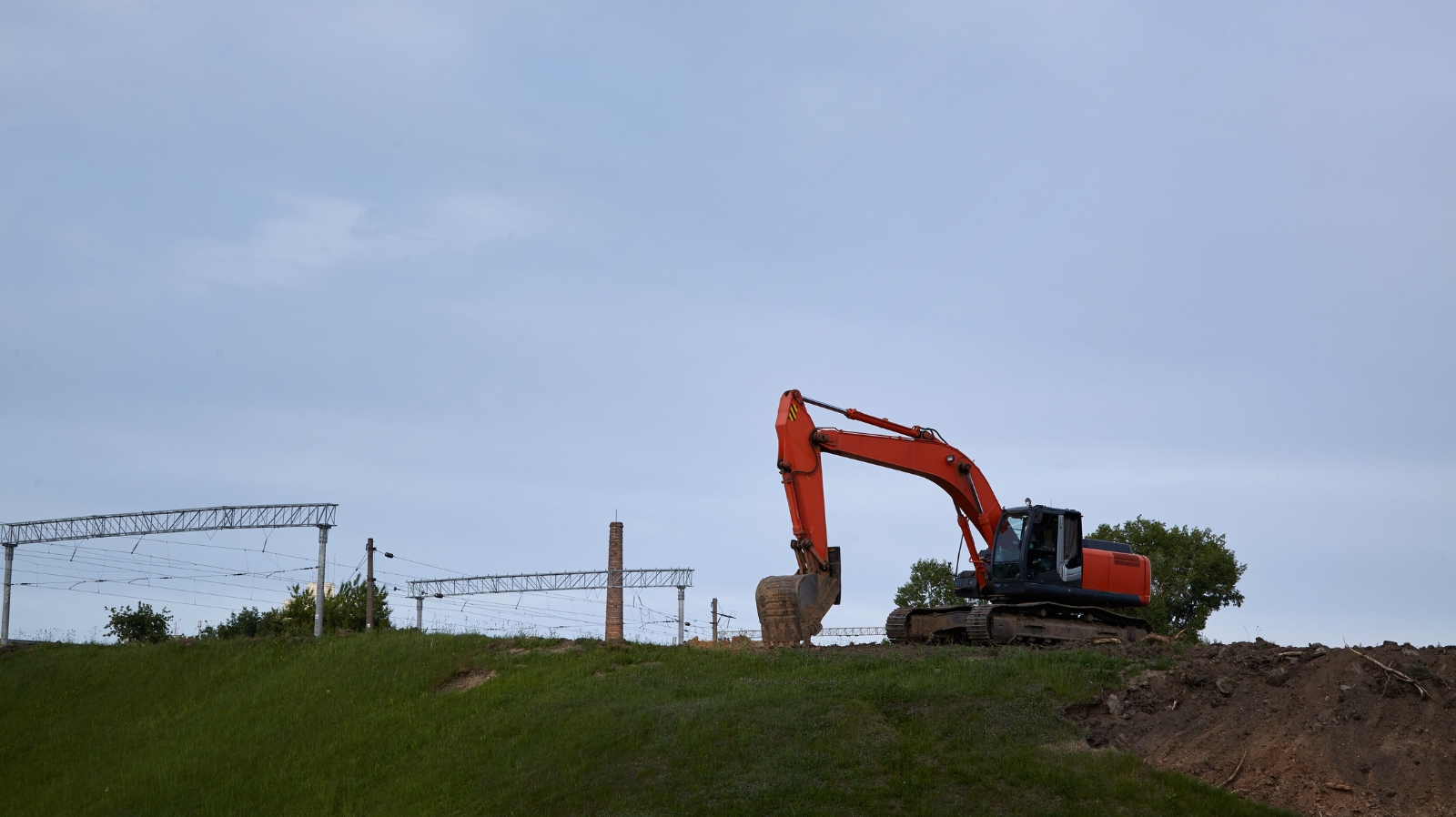
As Nepal is highly reliant on external sources of finance for its socio-economic development, with personal remittance inflows consistently exceeding 25% of GDP, the country is experiencing a structural shift from an “agriculture-based subsistence economy” to a “remittance-based consumption economy”.
The protests in September 2025 offer another open moment in Nepal’s history. The best tribute to those who lost their lives, whether to indiscriminate state action or the violence of arsonists, is not despair but a determined reconstruction.
It is evident that using the same ingredient, same recipe, and same chef will not deliver a different dish. Even in the business world, we need fresh blood in leadership with innovative ideas, energy, and approaches reflecting the needs of current times.