Kenya’s journey as an investment, tourism, and diplomatic hub offers clear lessons for Nepal on mobilizing capital, moving up the value chain, and thinking regionally.


Kenya’s journey as an investment, tourism, and diplomatic hub offers clear lessons for Nepal on mobilizing capital, moving up the value chain, and thinking regionally.

Nepal’s development story has long been shaped by external financing through both foreign aid and foreign direct investment (FDI). Yet, as Nepal prepares to graduate from the Least Developed Country (LDC) status in 2026, the question of how the country can sustain growth beyond concessional aid has become increasingly relevant.

Is the enthusiasm fueling Nepal’s bull market grounded in fundamentals or inflated by optimism? And what does that mean for everyday investors navigating today’s fast-changing financial landscape?
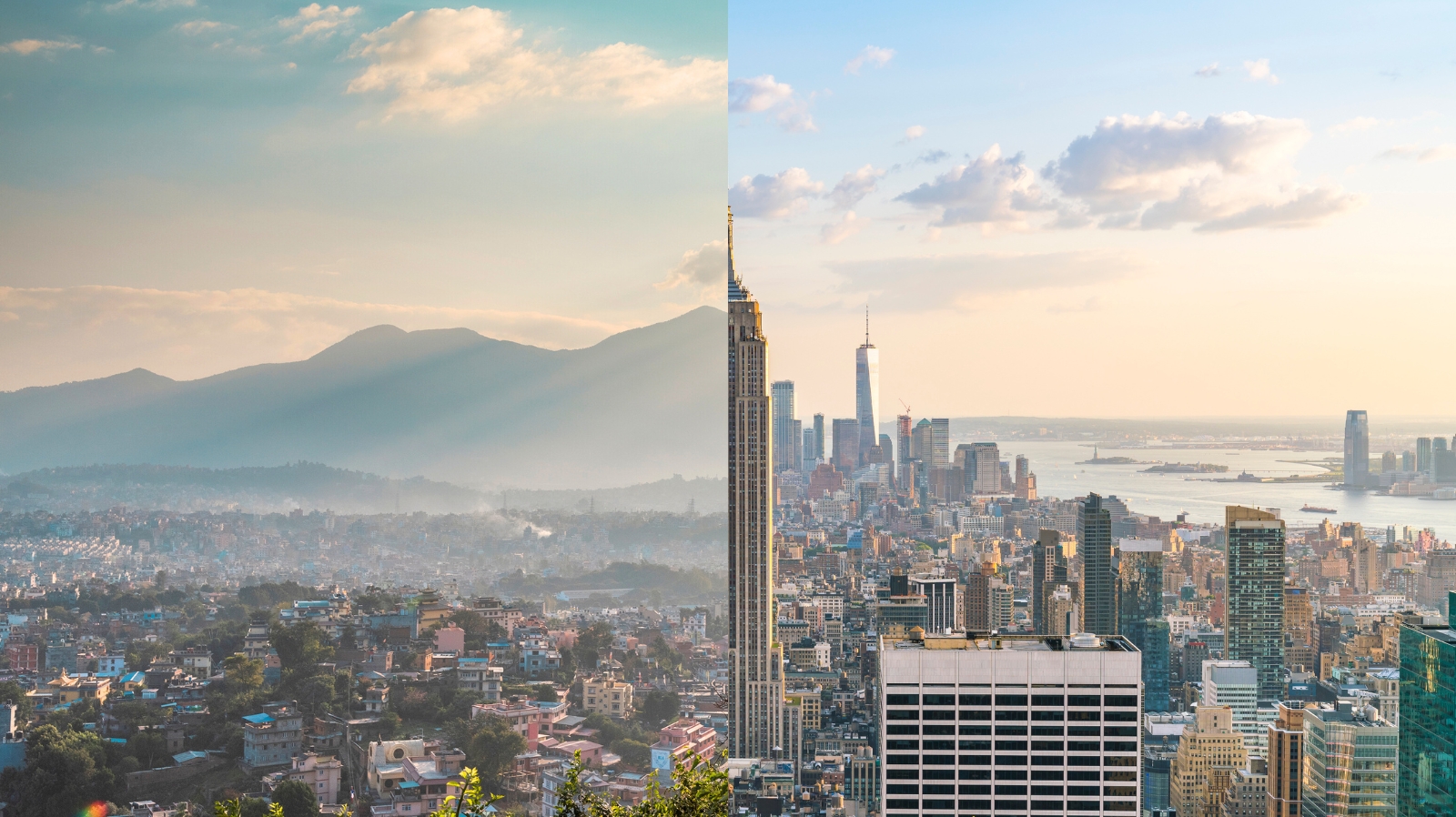
Nepal’s evolving diaspora policy seeks to move beyond remittances by mobilizing global Nepalis as investors, innovators, and development partners.
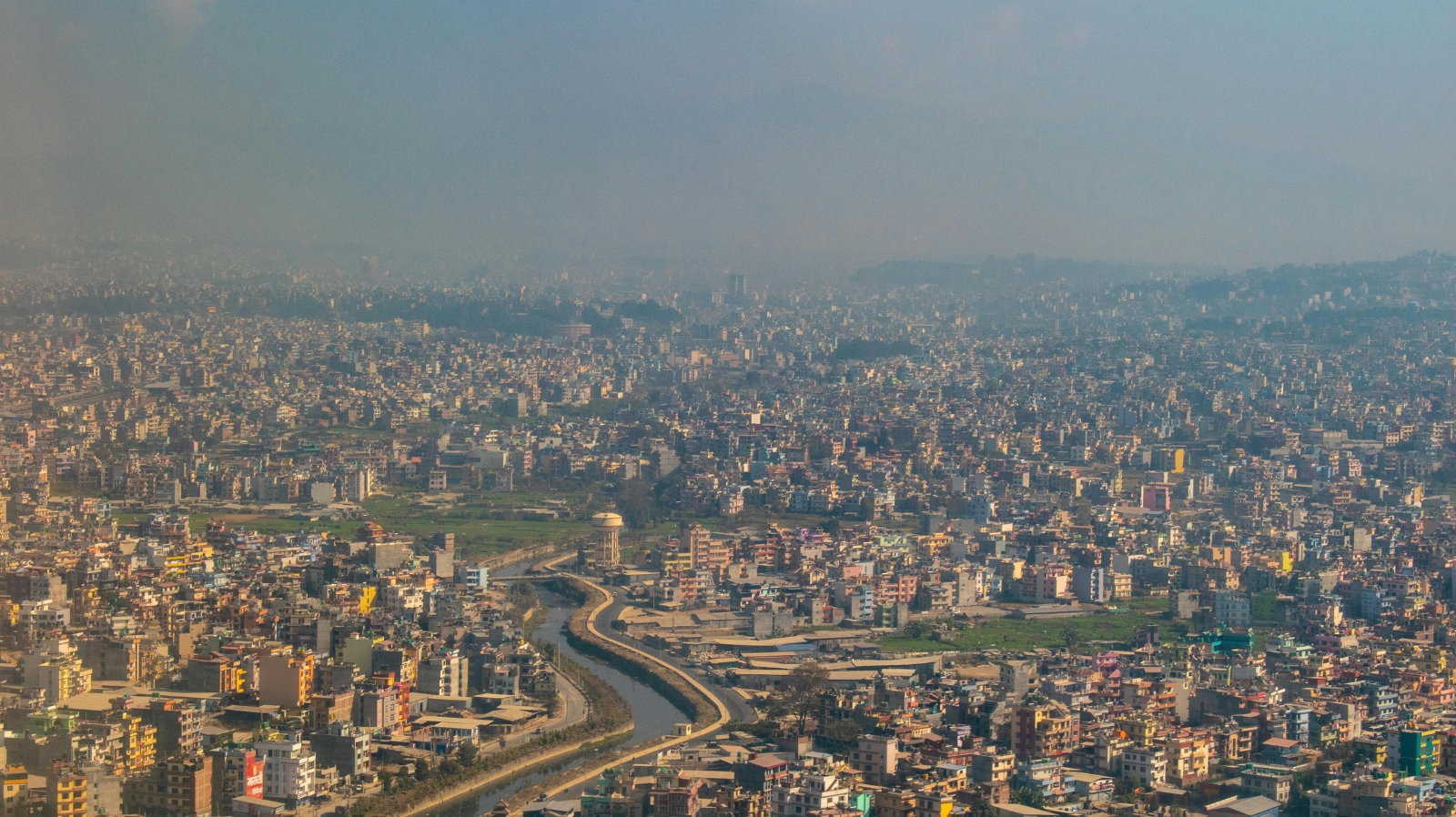
Recent observations reflect a dynamic and evolving landscape in Nepal, showcasing both challenges and opportunities for growth and development.

Earthquakes, floods, landslides, fires, and diseases have historically crippled Nepal’s economy, leaving businesses struggling to recover. However, despite repeated catastrophic events, businesses in Nepal fail to learn from past mistakes and continue to lack proper preparedness measures.