Separated by just the “chicken’s neck,” Nepal and Bangladesh remain close in geography but distant in economic engagement.


Separated by just the “chicken’s neck,” Nepal and Bangladesh remain close in geography but distant in economic engagement.
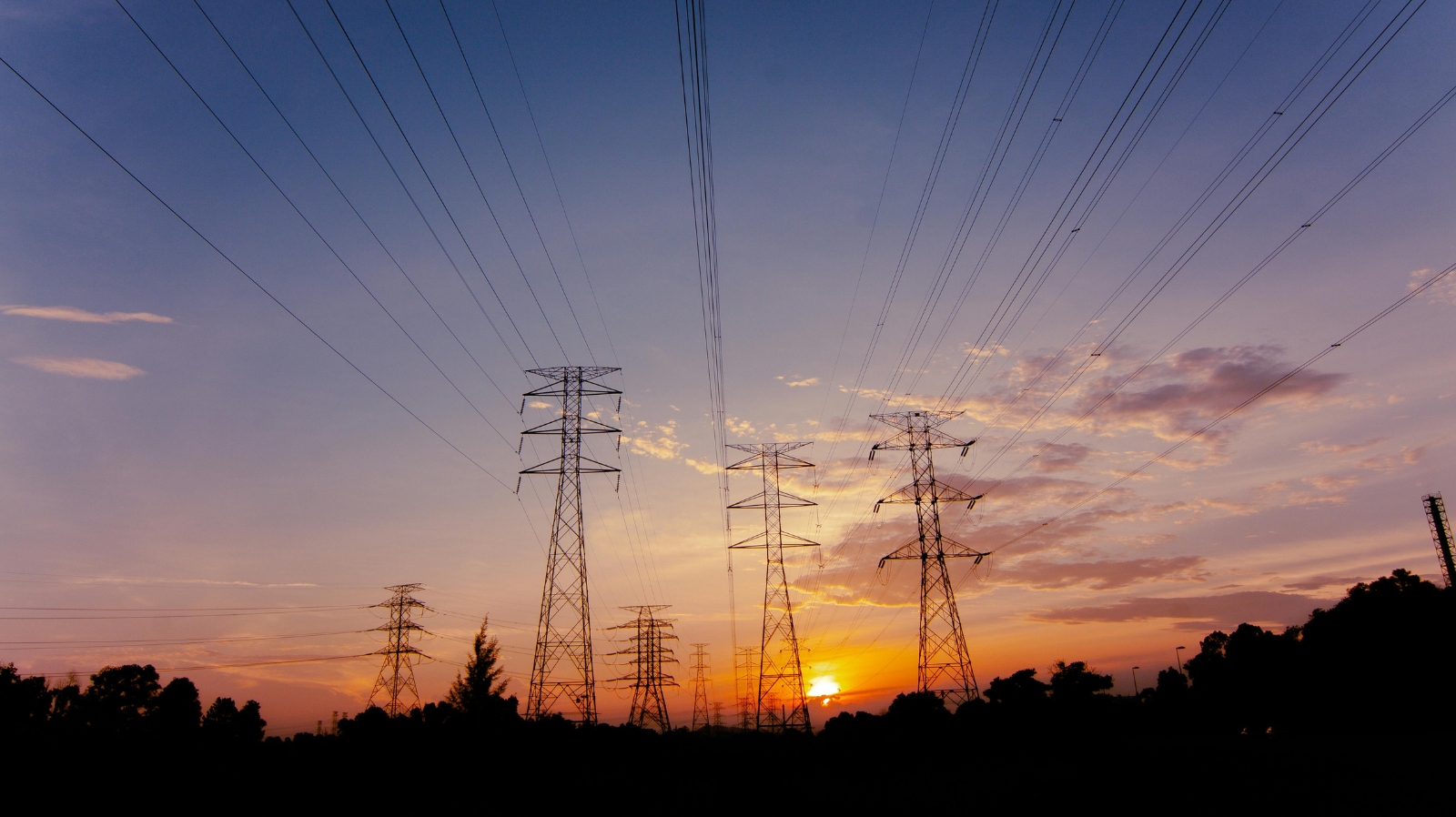
Despite decades of goodwill, Nepal-Bangladesh trade remains far below its potential, but strategic cooperation in power, connectivity, and investment could transform their partnership into a model of regional integration.

Rather than pursuing a Preferential Trade Agreement (PTA), Bangladesh and Nepal would derive greater advantages from establishing a Comprehensive Economic Partnership Agreement (CEPA).

As per a treaty signed in 1961, Nepal shares a 1,414 km border with China, including 14 border points. Due to various geographic and geopolitical reasons, however, the northern border is far less utilized and familiar to the general public than the open southern border with India.

Thangka, a sacred art form rooted in Nepal, blends spirituality and craftsmanship, offering cultural richness and economic potential despite facing modern challenges.
As Nepal navigates its LDC graduation, a gradual shift away from aid will be critical to Nepal’s socio-economic landscape.