A visit to China overwhelms you, and then a little more. I returned with a strange sense of emptiness, almost as if I had experienced the future and come back to living in the past. There, one truly appreciates the ambit of imagination and the vastness of vision. What many countries still imagine as the future is already part of everyday life for millions of people in China.
What I saw during the visit at the end of July is something Nepal may yearn to achieve over the next 25 years. The scale and speed at which development is taking place are breathtaking. More importantly, basic government services seem designed to work smoothly and make life easier. A relentless focus on innovation, entrepreneurship and enterprise appears to be driving the development engine into overdrive.
When the political will is firmly directed toward economic growth and improving the lives of citizens, the results become difficult to ignore, even if one may debate the mechanisms behind them.
Clear Sky
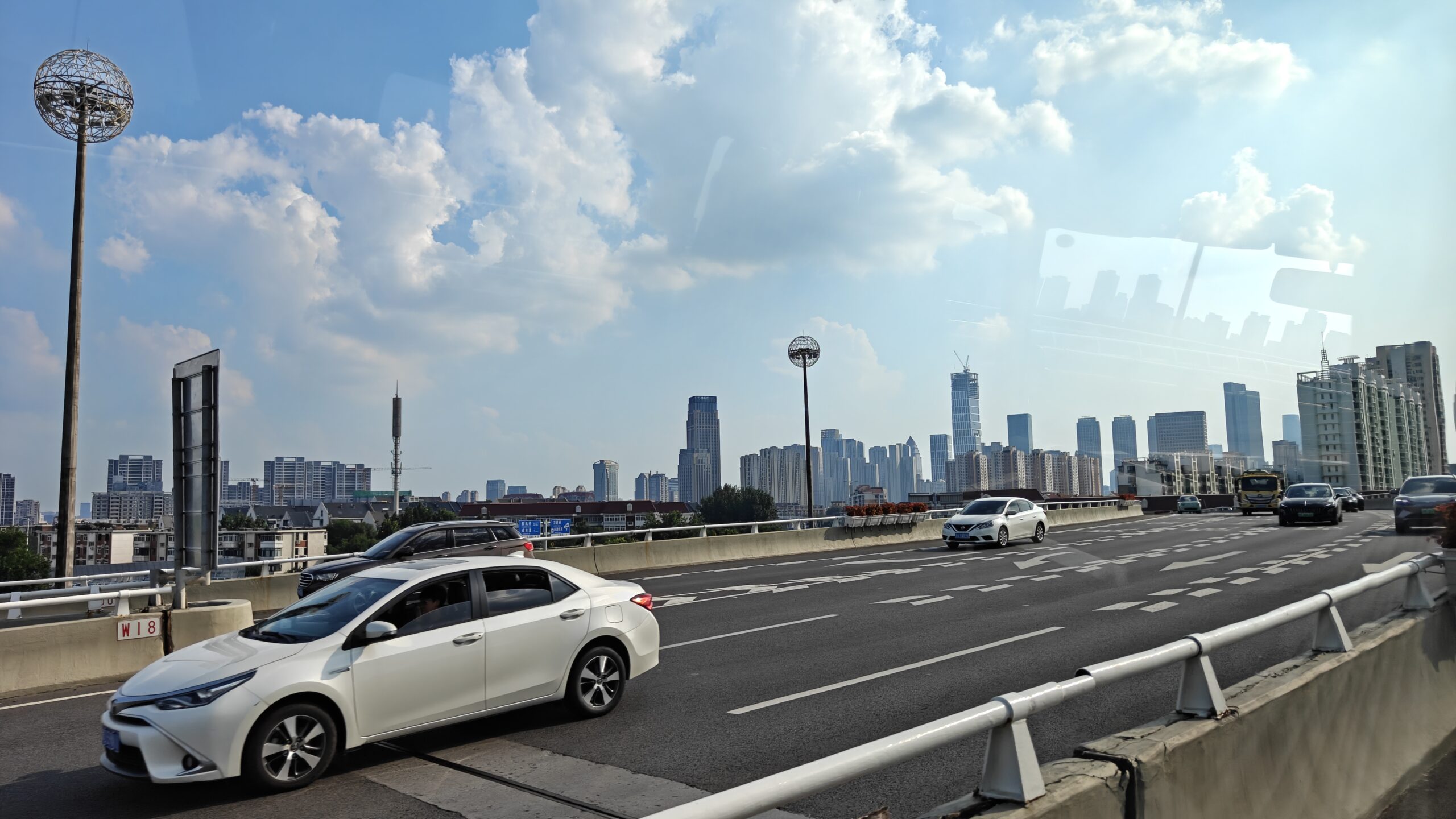
The first thing that struck me in Beijing was the clear blue sky dotted with white clouds. Remarkably, it remained that way throughout the week.
This is a city that was once described as one of the most polluted major cities in the world, often dubbed the ‘smog capital’, it had days when pollution reduced visibility dramatically. To see Beijing today, the transformation feels almost miraculous.
What worked?
The Central Government’s “War on Pollution” launched nationally in 2013, set rigid reduction targets backed by political accountability. Thousands of coal-fired industrial boilers were shut down and dismantled. Polluting industries were restructured and relocated. Driving restrictions were introduced alongside a massive expansion of public transportation and the adoption of electric vehicles, among several other measures.
Average annual PM2.5 concentrations in Beijing dropped sharply from more than 100 micrograms per cubic meter (μg/m³) in 2013 to 26.8 μg/m³ by 2025. It still remains above the World Health Organization’s guideline of 5 μg/m³, but the improvement is there for anyone to see.
The lesson was hard to miss. Transformation becomes possible when ambition is backed by policy, accountability, and relentless execution.
Innovation is the key
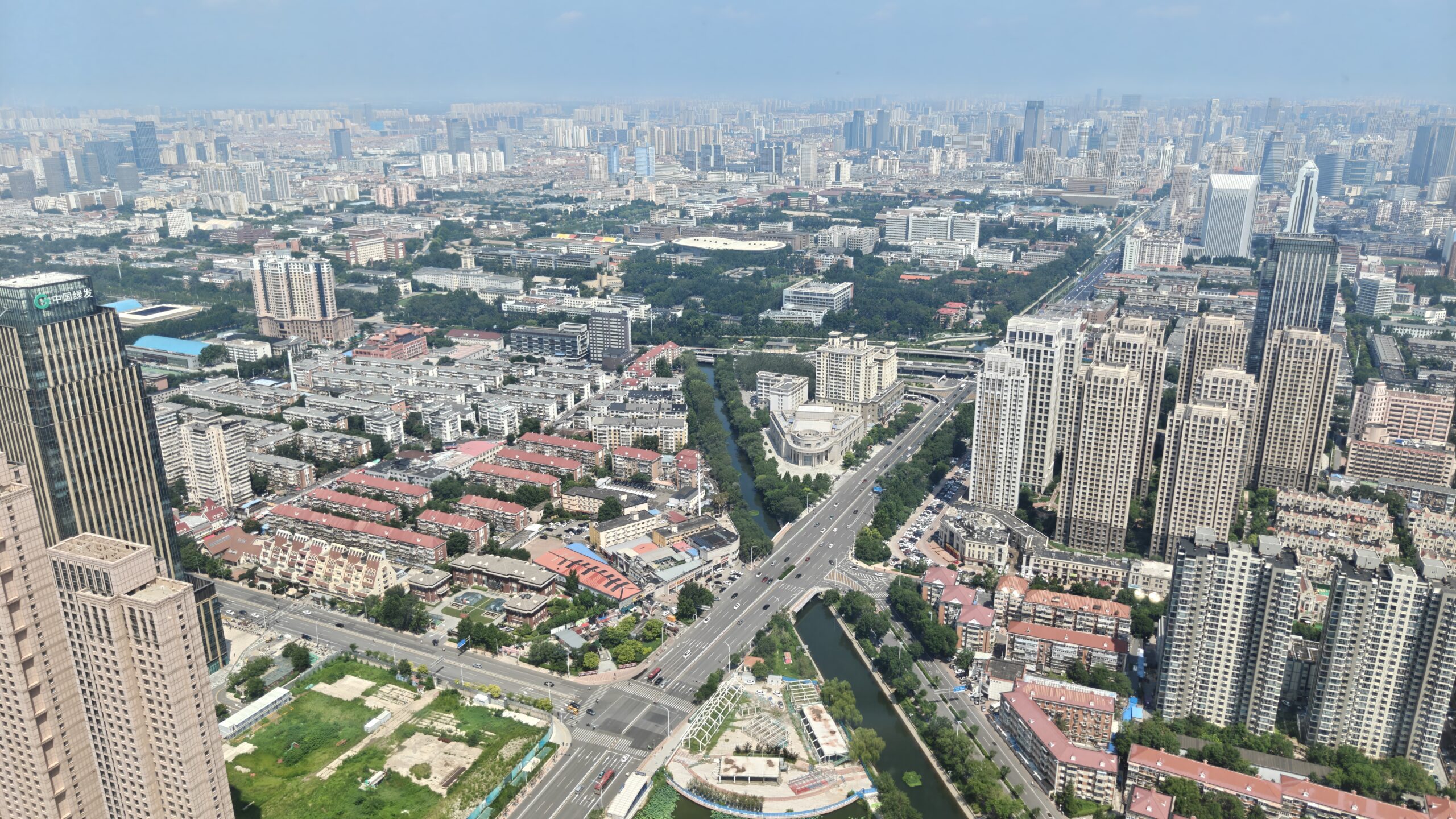
One early morning, a two-hour drive took us to Tianjin, a city known for its historic European style architecture, ancient traditions and rapid rise as a high-tech manufacturing and artificial intelligence hub. It also serves as Beijing’s major maritime gateway.
I literally got a bird’s eye view of the city from the main observatory deck of the Tianjin Radio and Television Tower, or Tianta. Standing 415.2 meters tall, the tower was completed in 1991. Its historical photograph gallery and interactive screens offered a fascinating glimpse into Tianjin’s journey toward becoming a major innovation hub.
From the humble bicycle, camera, and trolley bus to sophisticated modern engineering, the displays chronicled the technological progress, and how it has been built layer upon layer. More importantly, they reflected Tianjin’s deliberate effort to connect deep academic research with commercial applications and create an ecosystem where ideas can move from laboratories to markets.
China’s mass manufacturing prowess may be spread across several cities, but Tianjin provides an interesting example of how sustained investment in research, development and technology can create an environment where innovation itself becomes an industry.
City of the Future
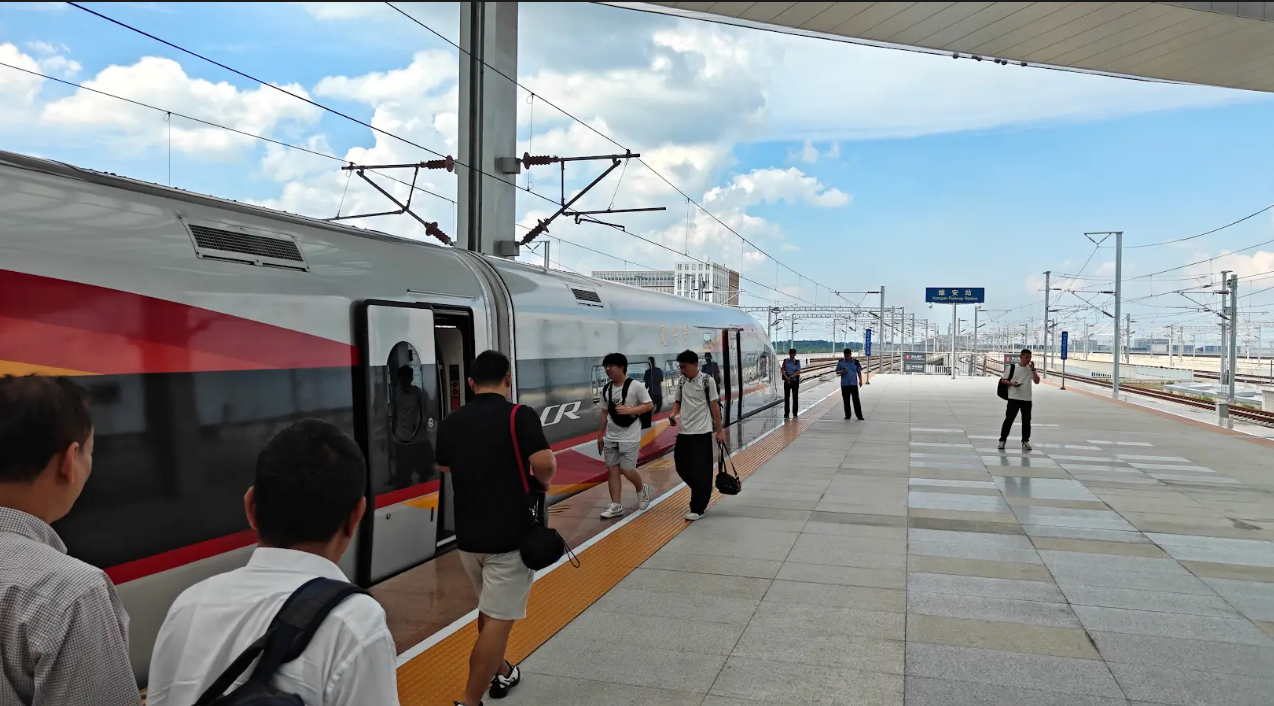
Traveling at 295 kilometers per hour, the bullet train from Beijing to Xiong’an New Area felt like a hot knife cutting through butter. Smooth, stable, and remarkably quiet. The one-hour journey just zipped by. In many ways, the speed of the train mirrors the speed at which Xiong’an itself is emerging.
Built from scratch since 2017 to absorb some of Beijing’s non-essential capital functions, Xiong’an is being developed as a model smart city. Across vast area, thousands of buildings, roads and infrastructure projects have already emerged from what was not long ago largely underdeveloped land.
The speed at which the city is being built is difficult to comprehend until you see it. Plans envision millions of residents eventually living there. Driverless vehicles, automated deliveries and unmanned checkpoints are already being introduced, while technologies such as facial recognition-based services are being tested.
One idea particularly stayed with me. The “15-minute life circle.” The objective is simple but powerful. Most daily goods and services should be available within a 15-minute walk from where a person lives.
Imagine living in a smart city where essential services are within walking distance and Beijing itself is less than an hour away by high-speed train. You have to be physically present to fully appreciate what is taking shape.
Think BIG
In China, I had to recalibrate my understanding of the word BIG.
Meeting leaders from the private sector and state-owned corporations gave me a glimpse of what operating at scale really means. What kind of minds imagine cities such as Xiong’an? More importantly, what systems allow those ideas to move from plans to implementations so quickly?
During one meeting, a private sector leader asked about Nepal’s total installed hydropower plant capacity. “Around 4,200 MW,” we replied. Almost nonchalantly, he mentioned he was an investor in a single 6,000 MW hydropower project.
China has several power plants with capacities exceeding Nepal’s entire present installed hydropower capacity. The famous Three Gorges project alone has an installed generation capacity of 22,500 MW. A figure close to what Nepal aspires to achieve nationally by 2035.
Some meetings remain etched in memory. One was with Jinquan Xiao, Senior Partner at Dentons, the largest law firm in the world. During our conversation, he became curious about the number of lawyers in Nepal. A quick online search suggested around 20,000. “Dentons together with Dacheng, offers clients the benefit of 30,000 lawyers in more than 190 countries”, Xiao said with a smile.
It was another reminder of scale.
The conversations were similar with other business leaders and investors. Whether discussing artificial intelligence, data center, digital technology, hardware, construction, automobile, or agriculture, there was an unmistakable sense of pride in competing to be among the best in the world. Not merely the best but better, faster, bigger, and cheaper. In many areas, rightly so.
So what?
It would be unfair and rather pointless to make a direct comparison between China and Nepal. The difference in geography, population, resources, political systems and economic scale is enormous. Many of China’s provinces dwarf Nepal in population or economic output.
But perhaps that is not the comparison we need to make. Countries may be different; human potential is not. China’s achievements were ultimately conceived, designed and executed by individuals who imagined possibilities. At that level, surely, we can compare ourselves.
What stayed with me most was not simply the skyscrapers, bullet trains, massive hydropower projects or smart cities. It was the confidence to think beyond incremental improvements. Government services are designed to be faster and easier. Strategic industries are deliberately supported. Innovation is encouraged at scale. Project implementation is closely monitored, and achievements are turned into a source of national confidence. We can learn to think bigger, decide faster, and execute better.
As the memories of this visit linger, I still hope that one day in my lifetime I will board a fast urban train in Nepal and watch my own country move past the window at 295 kilometers per hour.
Perhaps the real aspiration is not the train. It is to live in Nepal where we can stop treating the future as something that will eventually arrive and start building ourselves. The future does not wait. It is built.
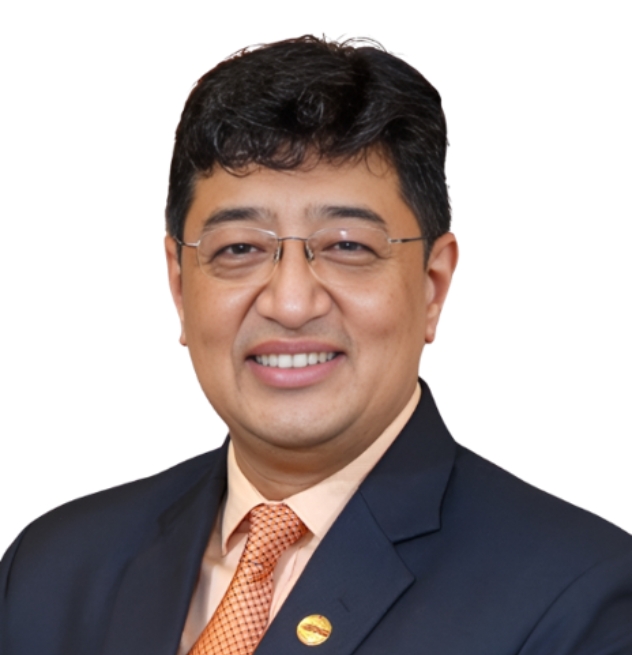
Suman Shakya is an entrepreneur, certified trainer, and small business consultant with over 25 years of experience. Since 1995, he has actively participated in over ten entrepreneurial ventures and has contributed as an adjunct faculty member in marketing and strategy. He is the Founder of Tangent Waves and Co-Founder of Nepal Entrepreneurs’ Hub. Suman has also served as District 41 Director of Toastmasters International (2023-24). His consulting work includes projects with the World Bank, USAID’s Tayar Nepal and The Swiss Embassy, focusing on innovation, entrepreneurship, and private sector engagement.