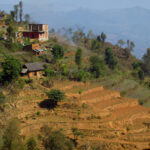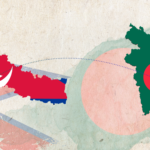
Looking at Nepal-Bangladesh relations from the perspective of The Bay of Bengal Initiative for Multi-Sectoral Technical and Economic Cooperation (BIMSTEC), it is worth recalling the collaboration between the two countries in multilateral forums, one example being the resolution on climate change and human rights at the Human Rights Council in Geneva, initiated by Bangladesh and supported by Nepal from the outset. Nepal has received similar support from Bangladesh on climate change initiatives in turn. This reflects the gravity both countries attach to the issue, as Bangladesh and Nepal face different but interconnected climate vulnerabilities: Nepal with its mountain and glacier ecosystems, Bangladesh with its riverine and coastal ones, a pairing that creates a strong basis for climate cooperation within BIMSTEC and other multilateral forums.
Under the BIMSTEC framework, a separate area of cooperation on Environment and Climate Change is led by Bhutan. An expert group comprising relevant government officials has met several times under this area, and a plan of action has been adopted to enhance collaboration among member states. Member states have also recognized the mountain economy as an area of cooperation. The concept goes beyond traditional notions of resource use: it encompasses a complex, interconnected system of livelihoods, ecosystems, and services. Mountain regions are vital sources of freshwater, biodiversity, and climate regulation, sustaining major river systems such as the Ganges and the Brahmaputra, which underpin economic activity and food security across the region.
Climate change is a global phenomenon, and member states, including Nepal and Bangladesh, should leverage platforms like BIMSTEC to make their voices stronger in the global arena, strengthening their presence in multilateral forums like United Nations Framework Convention on Climate Change (UNFCCC) and United Nations Environment Programme (UNEP). This should go alongside collaboration with other intergovernmental and international organizations such as the International Centre for Integrated Mountain Development (ICIMOD), International Union for Conservation of Nature (IUCN), Food and Agriculture Organization (FAO), Coalition for Disaster Resilient Infrastructure (CDRI), and Asian Disaster Preparedness Centre (ADPC), while continuing to leverage the funding, expertise, technical capacity, and resources of institutions such as the World Bank, the ADB, and the Green Climate Fund. Building capacity for accessing climate finance, green investment, and green transition should be a priority, alongside establishing disaster and early warning systems that draw on the resources and expertise of the BIMSTEC Centre for Weather and Climate. The proposed Centre of Excellence for BIMSTEC Disaster Management in India will further strengthen regional cooperation on disaster management, aiming for effective and efficient preparedness, coordinated response, and mitigation among the member states.
On tourism, Nepal leads the sector under BIMSTEC’s people-to-people contact pillar, with several initiatives underway, including a Tourism Fund, a Tourism Information Centre, and tourism circuits. The BIMSTEC Buddhist Circuit stands out as a regional network connecting Nepal, Bangladesh, and other member states, all of which host important Buddhist heritage and pilgrimage sites, and member states are working to develop operational modalities for it. Other circuits identified include adventure, temple, eco-tourism, and cruise circuits.
BIMSTEC also maintains a Network of Tour Operators, made up of private travel and tour agency representatives who meet annually to discuss ways to promote intra-BIMSTEC tourism, cultural exchange, and people-to-people relations. This has driven business-to-business exchanges and strengthened cross-border collaboration and the sharing of ideas and best practices. Going forward, the focus should be on promoting land and air connectivity to enhance people’s mobility, alongside addressing visa-related matters, cross-border digital payment systems, and interconvertible currencies. Such measures would further tourism cooperation and cultural exchange, and strengthen mobility between Nepal, Bangladesh, and other member states.
On trade and investment, Bangladesh leads the Trade and Development sector under the BIMSTEC framework, and its role as lead country remains crucial to advancing cooperation. At the same time, BIMSTEC is a consensus-oriented organization, which requires equal and meaningful participation from all member states. The BIMSTEC Free Trade Agreement was signed in 2004, and member states are currently negotiating six different constituent agreements under it. These negotiations should be accelerated to achieve meaningful economic integration in the region.
Member states are also considering establishing a BIMSTEC Chamber of Commerce and Industries, aimed at deepening engagement between trade and business stakeholders, particularly the private sector across member states. Negotiations on a BIMSTEC Motor Vehicle Agreement are likewise under consideration, and initiatives to establish grid connections among member states have already begun.
Finally, BIMSTEC has identified the blue economy as a sector of cooperation, and discussions on harnessing its potential are underway. Both Nepal and Bangladesh stand to benefit: Nepal through its lakes, rivers, adventure, and eco-tourism offerings, Bangladesh through its riverine, coastal, and marine tourism. The integration of landlocked countries with the maritime supply chain is also worth exploring under this area of cooperation.

Uttam Kumar Shahi, a career diplomat from Nepal Foreign Service, joined the Bay of Bengal Initiative for Multi-Sectoral Technical and Economic Cooperation (BIMSTEC) Secretariat as a director. He is the third Director from Nepal serving at the Secretariat.