Insurance in the Himalayas must evolve from simply paying for losses to actively strengthening climate resilience in an increasingly uncertain and risk-prone world.


Insurance in the Himalayas must evolve from simply paying for losses to actively strengthening climate resilience in an increasingly uncertain and risk-prone world.

The Himalayas are often described as remote or peripheral. But we are now realizing they are strategic, to climate outcomes, to economic connectivity, and to security considerations across Asia and beyond. From the European Union’s perspective, this region matters not only because it is vulnerable, but because what happens here will define patterns of cooperation, stability, and resilience in the decades ahead.

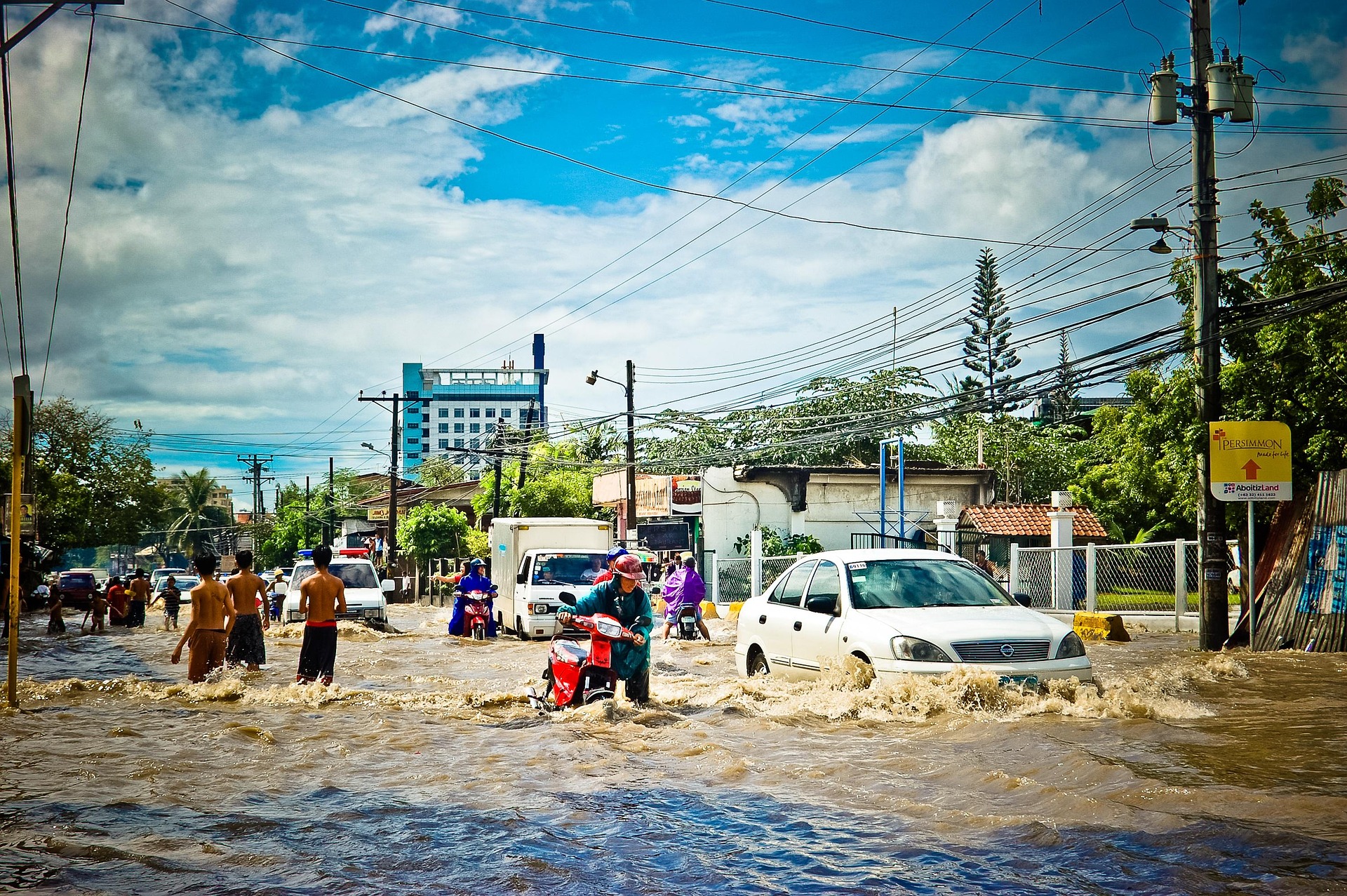
Anticipatory action enables Nepal to act before climate disasters strike, protecting lives and livelihoods while reducing the costs of reactive emergency response.
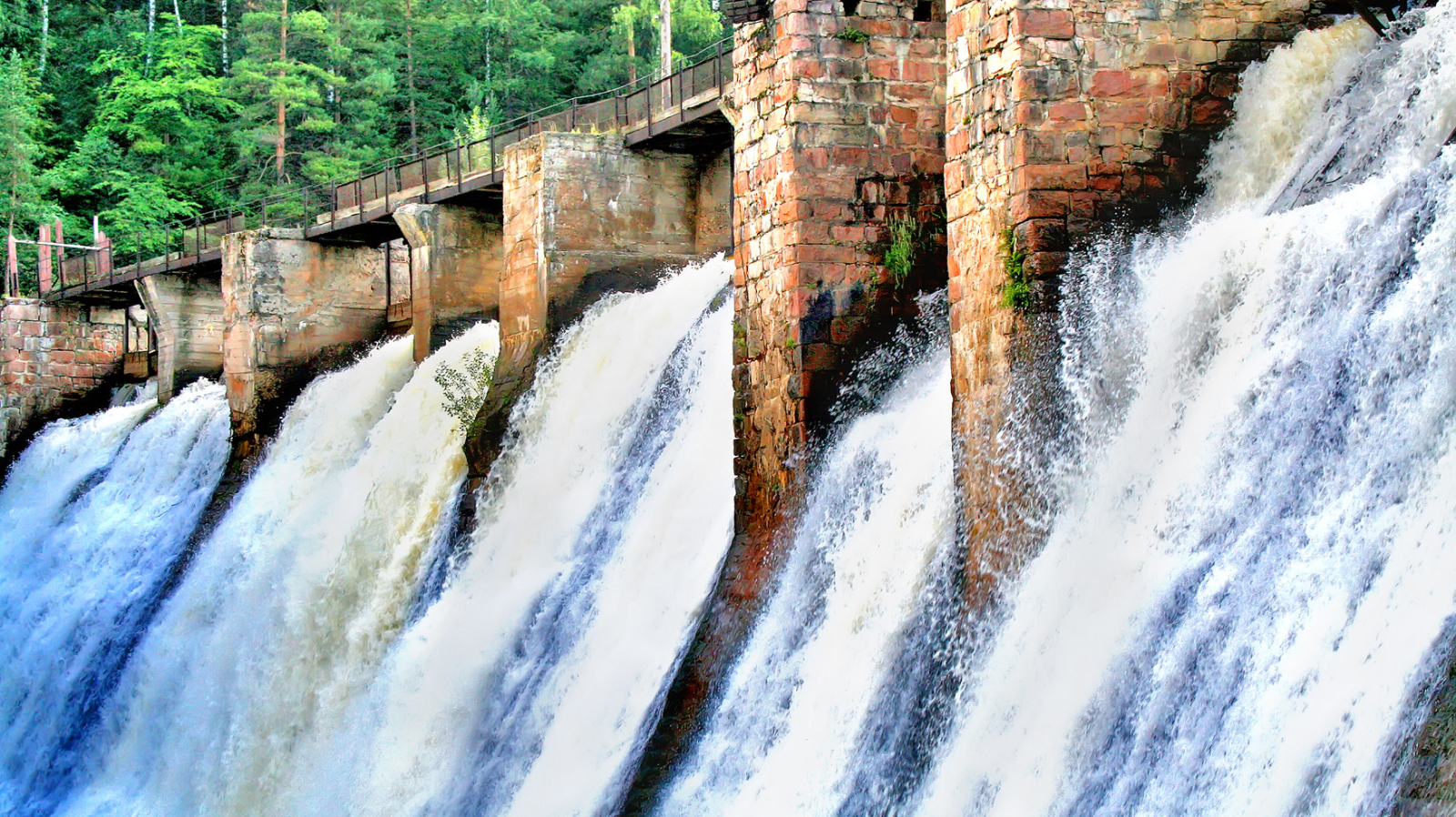
The government has accorded top priority to hydropower development, aiming to harness about 15,000 MW by 2030, with international support, under its climate commitments.
A decade since the 2015 earthquake, Nepal’s shift to community-led preparedness shows progress, but climate risks demand stronger local action.
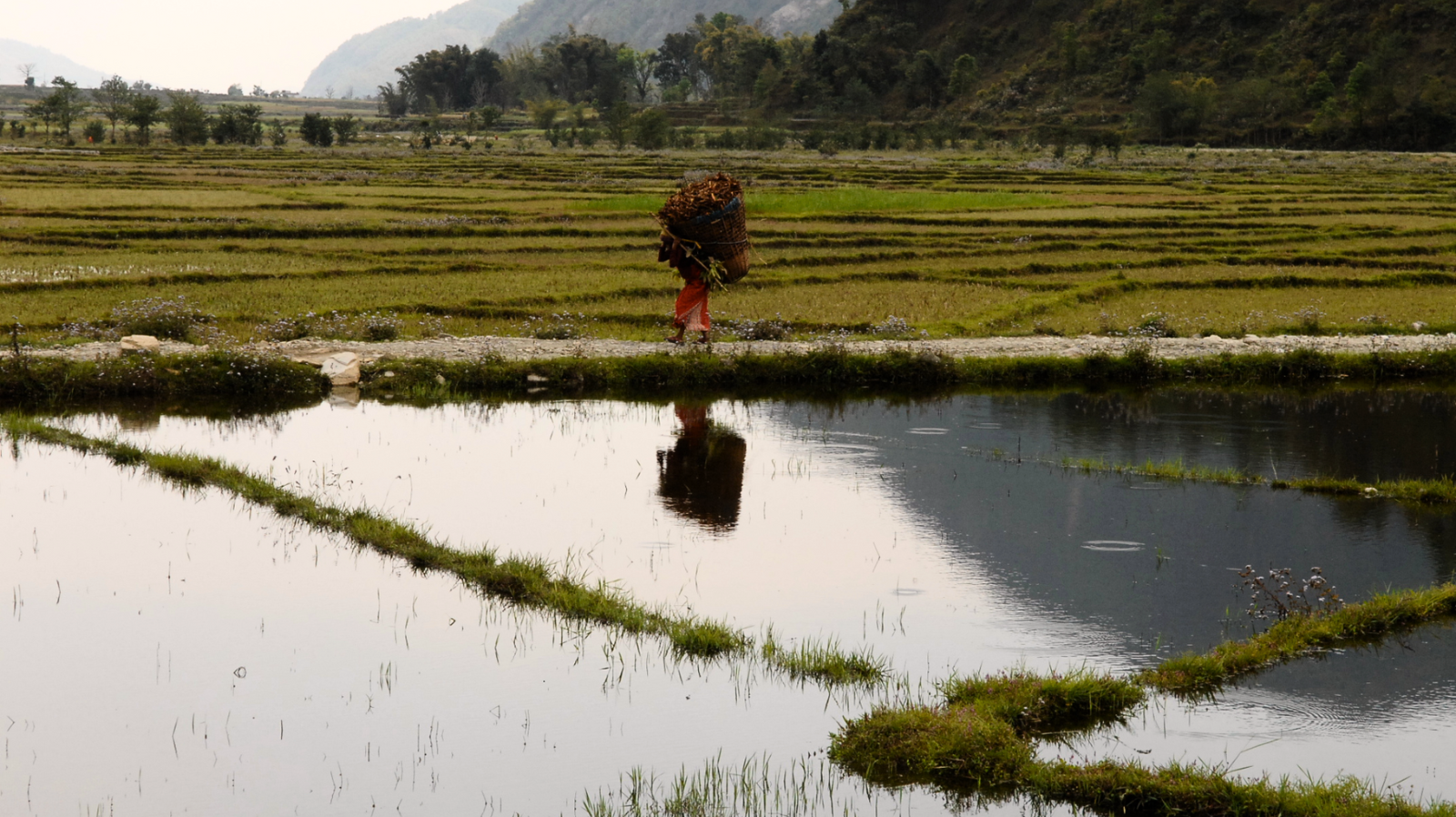
When inequality is high, those in power can, and do, shift environmental harm onto the vulnerable. It even incentivizes further exploitation.