I remember in 1999, when parties were campaigning for national elections, I got into a conversation with Pratyush Onta, who used to run a radio show on Radio Sagarmatha. We discussed the cost of election promises and agreed that if any major political party were to actually deliver all the promises in its manifesto, it would cost several times the country’s annual budget. At that time, Nepal’s GDP was around USD 5 billion and government spending less than USD 1 billion. Foreign exchange reserves stood at around USD 700 million, remittances were just starting to trickle in. Multi-party democracy was less than a decade old, and political parties and their leaders got away with almost anything. Scams were in millions and bribes in the thousands.
Fast forward to 2026, as we get ready for yet another election. Nepal is now a USD 44 billion economy, with an additional USD 12 billion that does not form part of the GDP. Real estate values are several times higher than in 1999. Foreign exchange reserves stand at USD 22 billion. Back then, leaders could get away with anything because there was no money. Nepal was dependent on aid, and the private sector was in its early stages. Today, the challenge is about managing close to USD 10 billion in annual budget, minimizing graft, and delivering efficiency.
The September protests were against a political cartel that promoted crony capitalism. Lives were lost in the demand for better governance and the elimination of corruption. The delay in completing the parliament building, right inside the federal seat of power and despite several contract amendments, speaks volumes about the politician, bureaucrat, and business nexus. If leaders cannot fix problems right under their noses, it is difficult to expect them to fix problems in far-flung areas of the country. Whoever comes to power will have to show that they can deliver. Procurement systems must be redesigned to attract the best companies and talent, upgrade Nepali skills, and complete projects on time at the best cost. Our obsession with finding the lowest priced vendor has turned out to be the most expensive strategy.
The expectations of the average Nepali have changed over the past few decades. People can now afford vehicles and therefore need driving licenses. They can travel abroad and send their children overseas for education, so they need easy access to passports, no-objection certificates, police clearances, and other documents. They want to use their money to access foreign exchange easily. They have money to invest in Nepal and beyond and want facilitation, not control. They want simple processes to open, operate, and close businesses. They want to be part of global innovation, work with new technologies, and partner with international companies. Nepali voters are no longer impressed by empty promises of trains, ships, or trips to the moon. They are looking for leaders who can deliver on the basics that make life easier.
The next government must learn to work in teams and get the best minds to plan and deliver. It has to move away from the belief that afno manchhe (own people) is better than ramro manchhe (good people). We also need leaders who can think big. If Ethopia, with a lower per capita income than Nepal can think of building a USD 8 billion airport, why can’t we think of large infrastructure projects using the best technology from our neighbors? In Nepal 2043, I laid out areas and strategies for Nepal to become a high-income country by the turn of the century under the Bikram Sambat Calendar. We need leaders who can deliver reforms that raise investment to USD 10 to 20 billion a year, so that the 600,000 people entering the job market annually can find work at home instead of going abroad.
The new government must also learn to work with global Nepalis living in 180 countries and allow them to take part in Nepal’s growth. From voting rights and multiple passports to making the movement of people, services, and money easier, this will require a shift away from narrow nationalism, conservatism, and policies that protect businesses, NGOs, and political cartels.
We should not forget that this election has come about because many people sacrificed their lives in the September protests, and because an interim government stayed focused despite attempts to exploit the situation. This is a historic moment for Nepal and an example of how democracy works, when people take back power to bring change for themselves and the country. We cannot allow those sacrifices to be wasted. Political parties, winners and losers alike, must remain focused on building a Nepal that can dream big and deliver big!
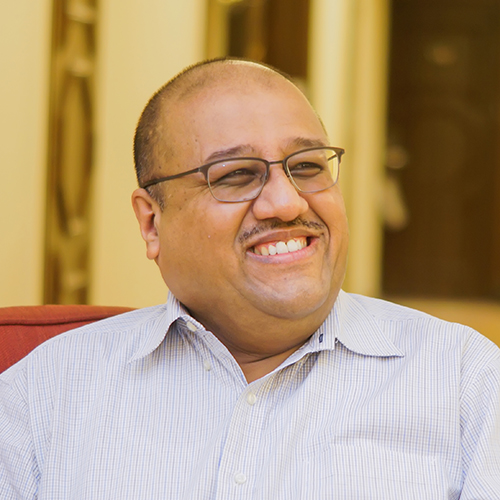
Sujeev is the founder CEO of beed. He leverages over 25 years of experience in diverse fields and geographies to advise, lead and inspire. With comprehensive networks in Nepal’s public, private, civil and diplomatic sectors, Sujeev is a trusted business and policy advisor and respected strategic thinker. From economies of developing countries to economies of human beings, he moves across different worlds, with his passion for the Himalayas being the axis.