
Migration has been a topic close to my heart. My father was a trader in Tibet and, growing up in the hill town of Kalimpong in the Eastern Himalayas, Kathmandu was the city for us to get back to after studies. Kathmandu in the 1980s was a land of opportunity and many who had migrated to Kalimpong a generation ago decided to return. The stories I heard those times were about people moving and its impact on relationships and the debate on identity.
In my writings since the late 1990s, I have been talking about the future of migration. In the early 2000s, when I wrote for Nepali Times as Arthabeed, I talked about bipalis i.e. Bideshiyeko Nepali or Nepalis who have gone abroad. In Unleashing Nepal (2009), I wrote about the need for higration – migrating with higher skills and in 2019, in Unleashing The Vajra, I had a chapter on Global Nepalis. I argued that migration, rather than being seen through the negative lens of people leaving Nepal due to poverty, can also be seen in terms of new waves of migration where people who are well off looking for better life and prosperity. In Nepal 2043 (2025), I argue how perhaps there could be 10 million out of 35 million people then would be outside Nepal. These would be the Global Nepalis who would have created a mark for themselves and help in transforming the future of Nepal and Nepalis positively.
The Global Nepali Network (GNN) was started at the Nepal Economic Forum (NEF) “as a platform for dialogue, storytelling, and connection among Nepalis around the world.” We have been working on the world of migration and remittances and now are spending five weeks in Europe to understand the experiences and perspectives of Nepalis living in Europe. In the first week of our trip, there were many fascinating stories we heard. Here are some to provide perspectives on the future of Nepali migration and how Global Nepalis are asserting themselves.
Stories that Inspire
In Antwerp, Belgium we heard the story of Lok Dahal. He owns a chain of Sushi restaurants under the brand Sushi King. It is interesting to see how people from a landlocked country with the sea far away have been able to be synonymous with making sushi. Dahal has inspired many others to get into similar businesses and started businesses of backward integration with businesses engaged in sourcing raw materials and ingredients. Providing employment to hundreds, he represents a new breed of Nepali entrepreneurs who have risen the ranks purely through hard work and committed drive. Ajit Tulachan in Antwerp also runs sushi restaurants, and he is also engaged in organizing concerts and music performances. Stories of how Nepathya and other concerts were organized and executed points to his imagination of doing bigger things in future.
In Frankfurt, staying at the Soaltee Westend made me nostalgic for the eighteen years I spent at the Soaltee Hotel. It was wonderful to see the plans that I remembered working on as Vice President Business Development in early 2000s actually come to fruition. The conversations with Jiba Lamichhane made me wonder why these stories do not come out. Lamichhane leads a consortium of investors that have been investing in hotels in Europe and now two of them are managed by Soaltee. This seems to be tip of the iceberg. If we can get the right government-to-government agreement to allow formal movement of Nepali skilled workers to work in establishments owned by Nepalis or Nepali brands, it would take away the middlemen who have made migration unsafe and expensive.
In Berlin, we went to Dal Bhat, a Nepali restaurant, for dinner and had amazing conversations with the Subani and Rohit, the owners who own and run this restaurant. It was an exclusive dining space that provided great gastronomical experience and is different than the thirty plus Nepali restaurants in Berlin, whose menu is dominated by Indian influenced fare. The couple have been able to curate authentic dishes and add a few new ones to a mixed clientele. It is great to see a restaurant turnaround their tables multiple times in an evening. They represent the aspirational Nepalis who probably will take Nepali cuisine to a different level. They will surely inspire many more.
The big learning and ideation for the week has been about how to capture such stories. How do we provide stories that inspire the larger Nepali community around the world and connect them to learn from each other along with undertaking joint explorations. We learnt of many people successful in their professional or entrepreneurial endeavors. Successful people from Nepal are migrating to take on the world with their brands and talents. People who have adequate assets and income to live in Nepal are migrating to build more assets and augment their income. Nepal, like any Himalayan nation, has seen big movement of people within the country. Just because the movement is taking place across political boundaries does not mean it is a problem or a challenge. From Buddha, the enlightened one who moved across then political boundaries to pursue imparting knowledge, to the artisans who went to Tibet with Princess Bhrikuti to Araniko and other artists who went to current-day China, Indonesia, and other parts of the world, the movement of people continues. Inspirational stories do push people to explore opportunities in distant land. This is basic human instinct.
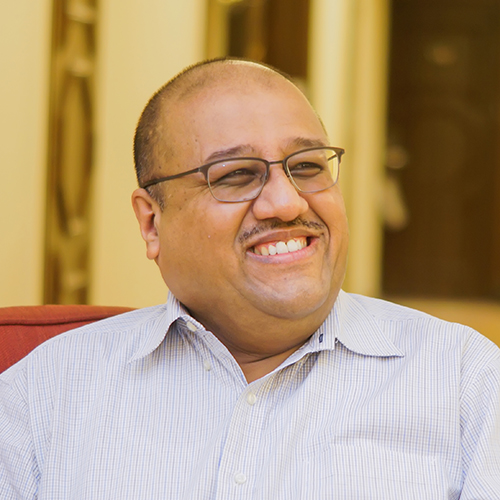
Sujeev is the founder CEO of beed. He leverages over 25 years of experience in diverse fields and geographies to advise, lead and inspire. With comprehensive networks in Nepal’s public, private, civil and diplomatic sectors, Sujeev is a trusted business and policy advisor and respected strategic thinker. From economies of developing countries to economies of human beings, he moves across different worlds, with his passion for the Himalayas being the axis.