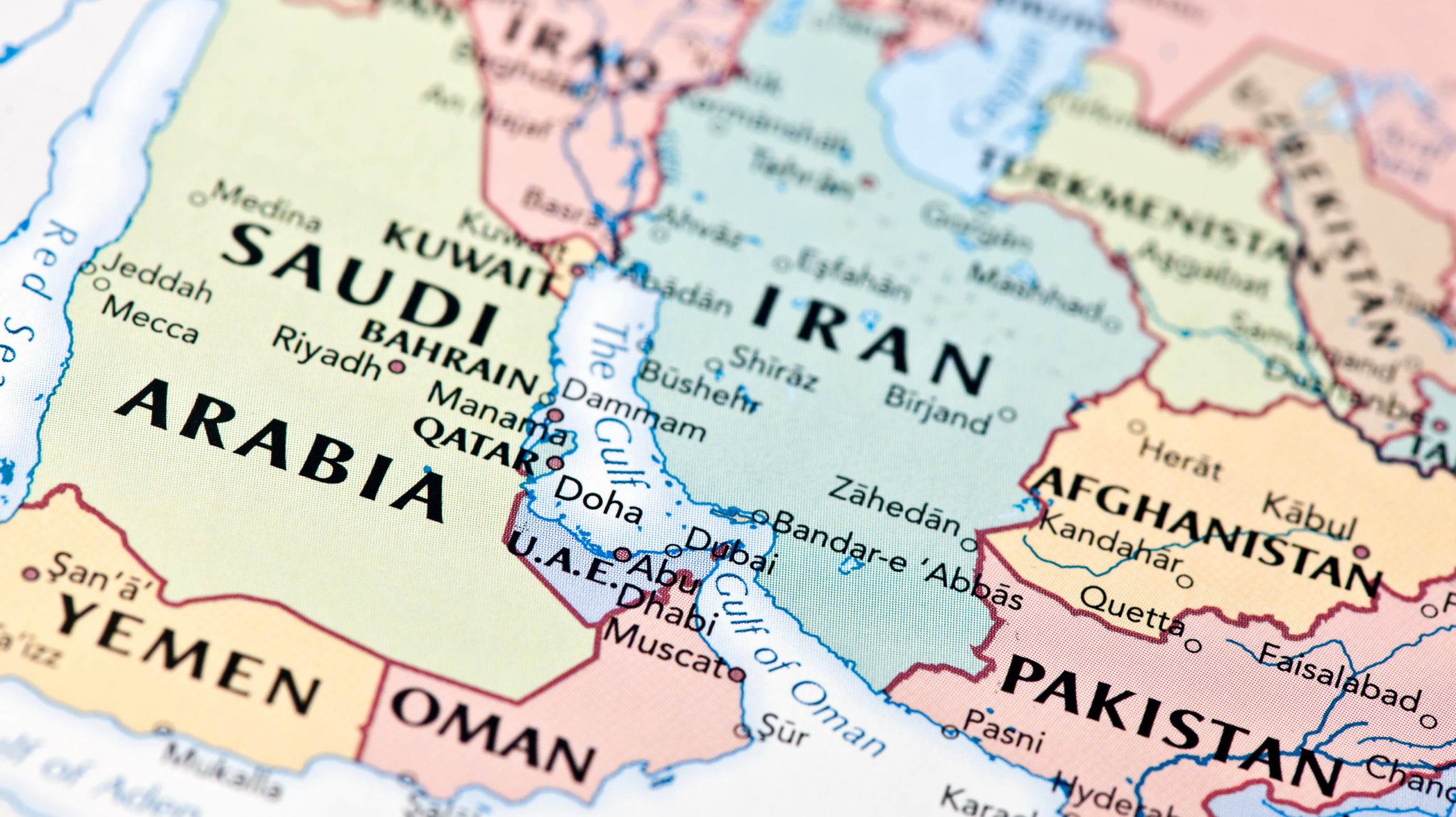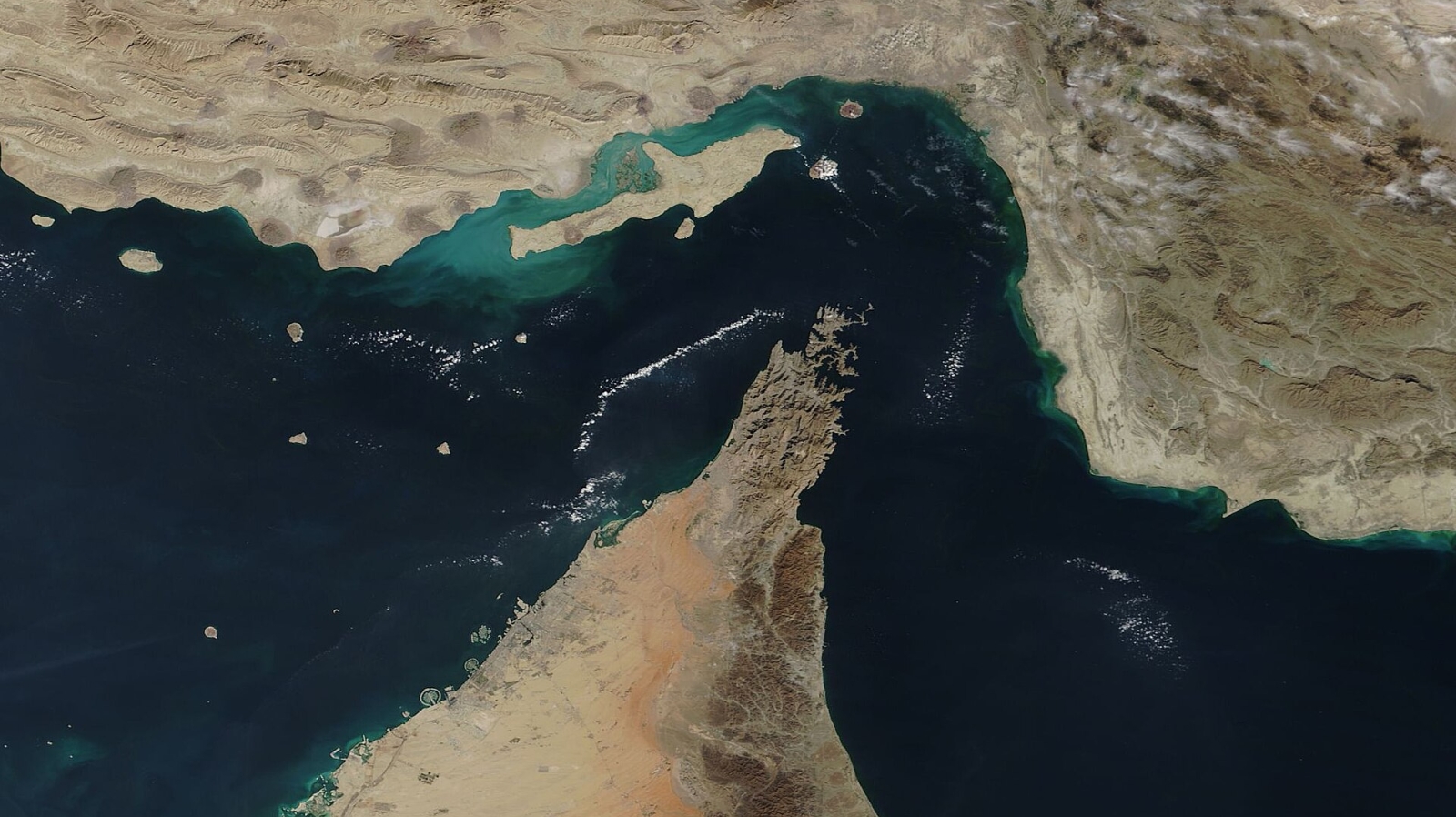
Despite being geographically distant, Nepal faces rising fuel prices, labor market risks, and declining tourism due to the West Asia conflict, exposing its deep vulnerability to external shocks and highlighting the urgent need for energy transition.
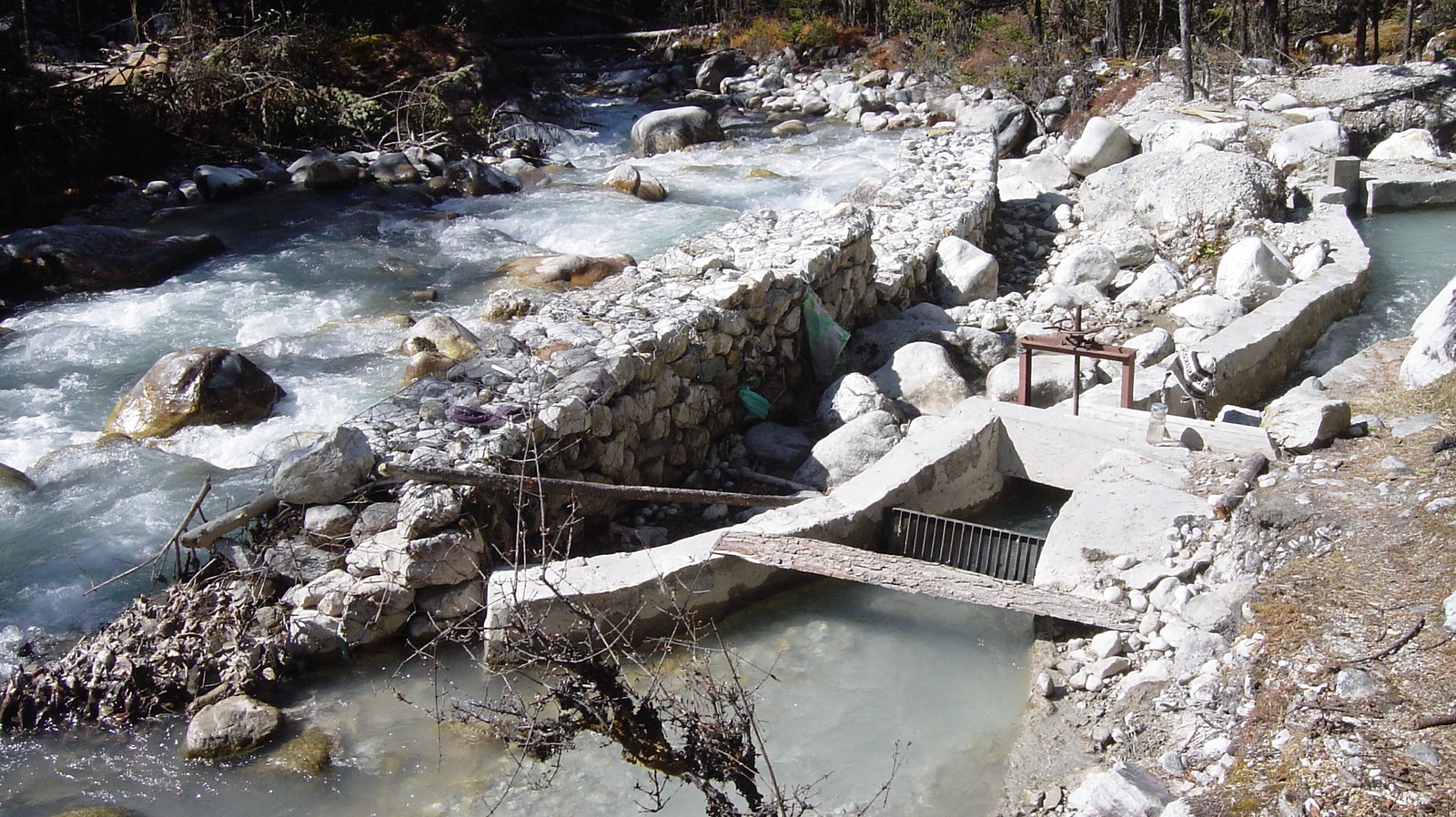
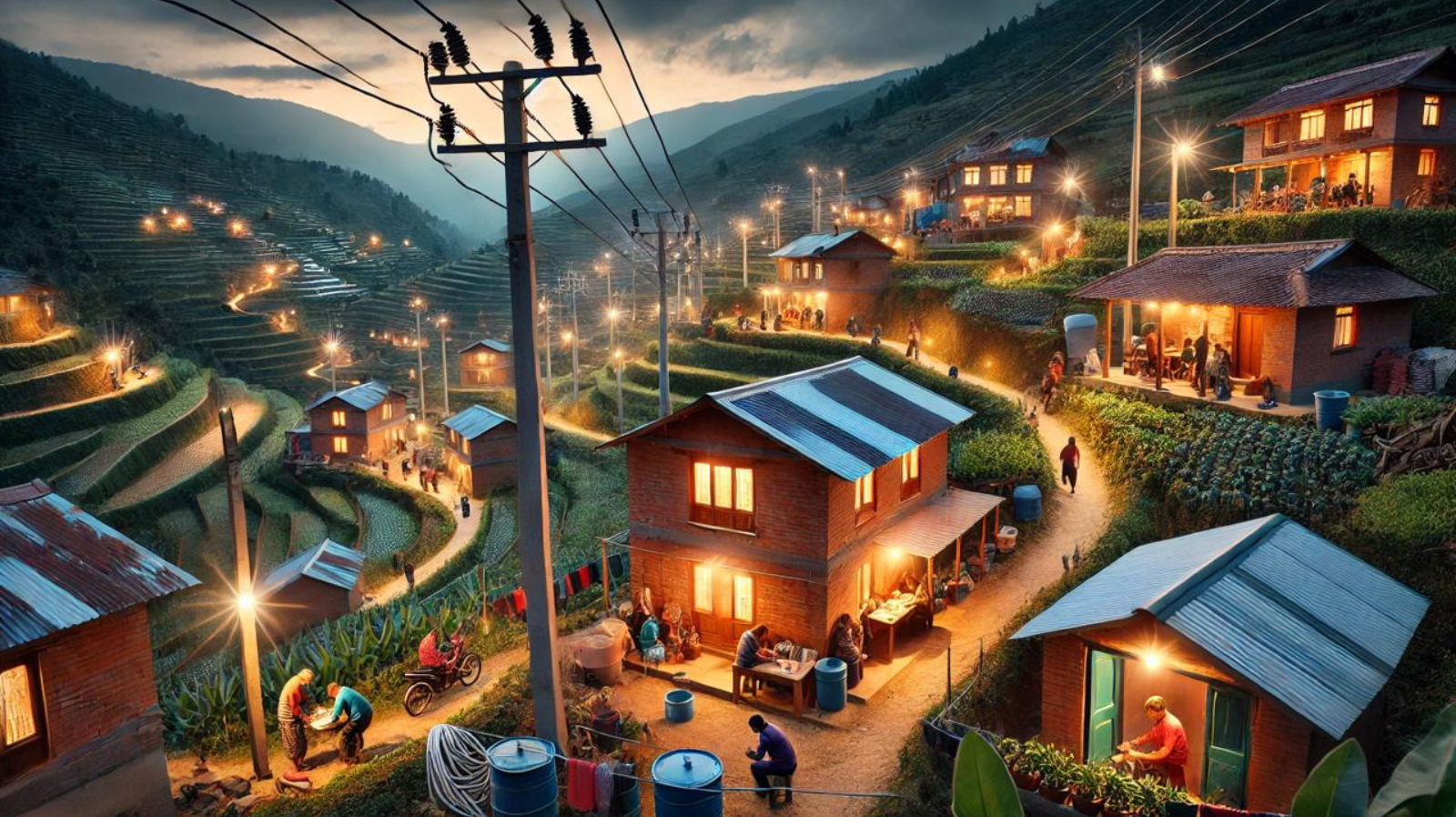
Here’s something that might surprise you: with over 3,000 mini-grids, Nepal arguably leads globally in the proportion of its population connected to decentralized renewable mini-grids for rural electrification.
The expansion of electricity access in Nepal’s rural areas has rapidly increased since the early 2000s, with hydropower leading the way, followed by solar and wind energy.
In order to combat climate change and its consequences, a global shift to renewable energy is of paramount importance.
Application of the public-private partnership model in medium-scale hydro projects would anchorage the hydro potential of the nation.
Nepal needs to have the physical and institutional infrastructure to allow electricity trade which should help optimize domestic power sector investment.