What was the actual impact of the 2015 earthquake on housing in Nepal and how was the government’s post-disaster response to the damage?
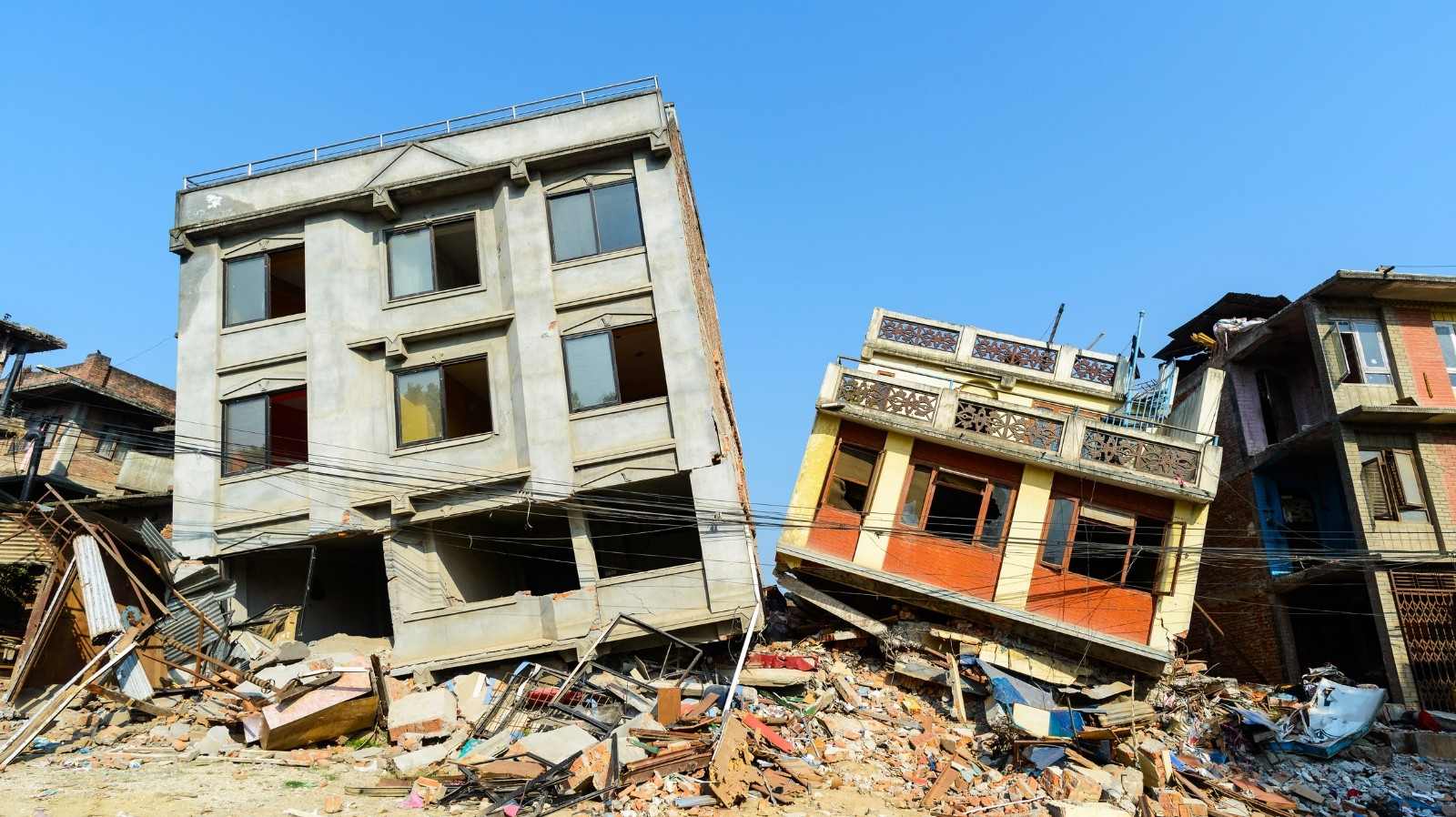

What was the actual impact of the 2015 earthquake on housing in Nepal and how was the government’s post-disaster response to the damage?
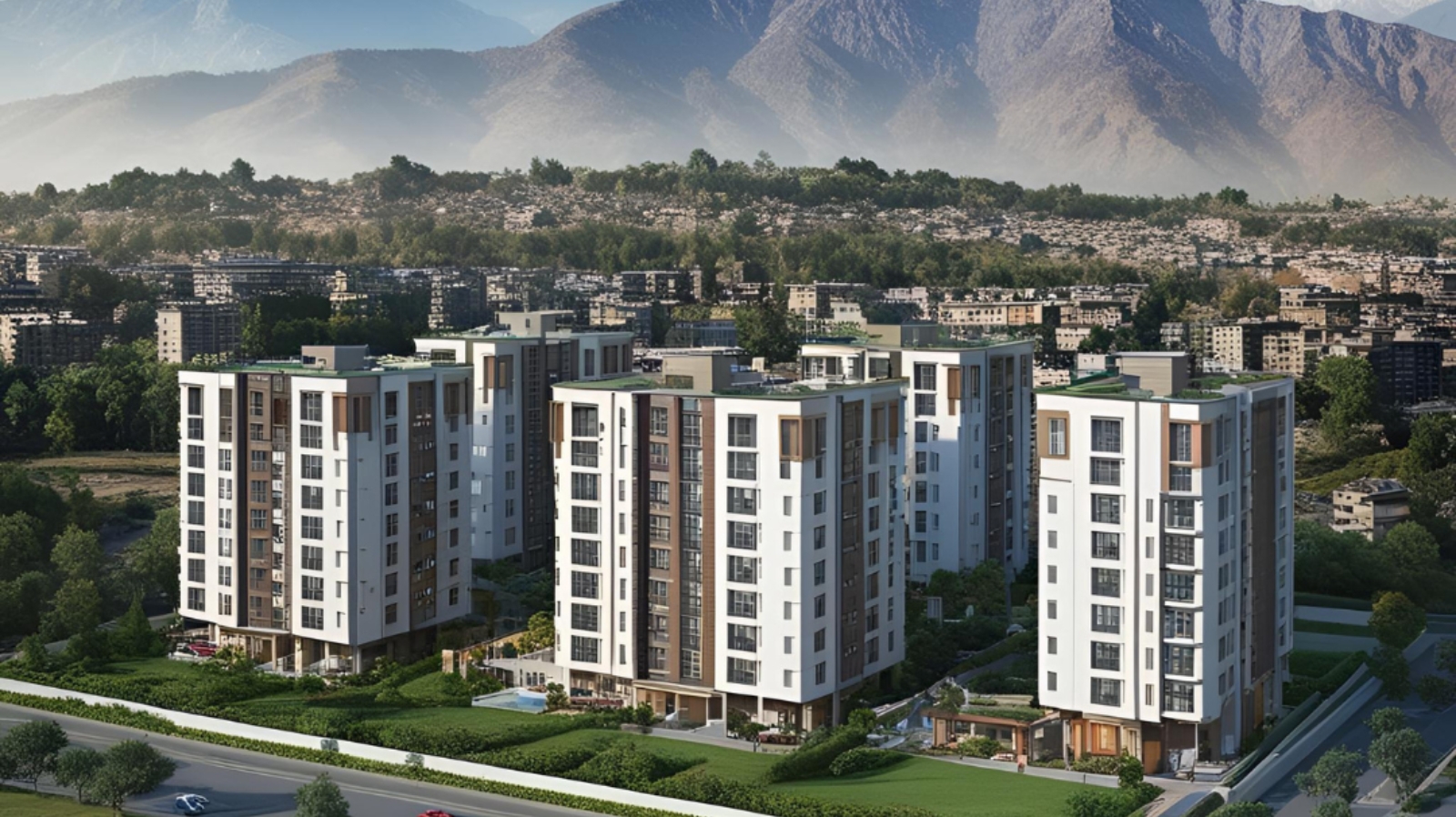
As social dynamics shift, physical structure must adapt. Can Kathmandu catch up?
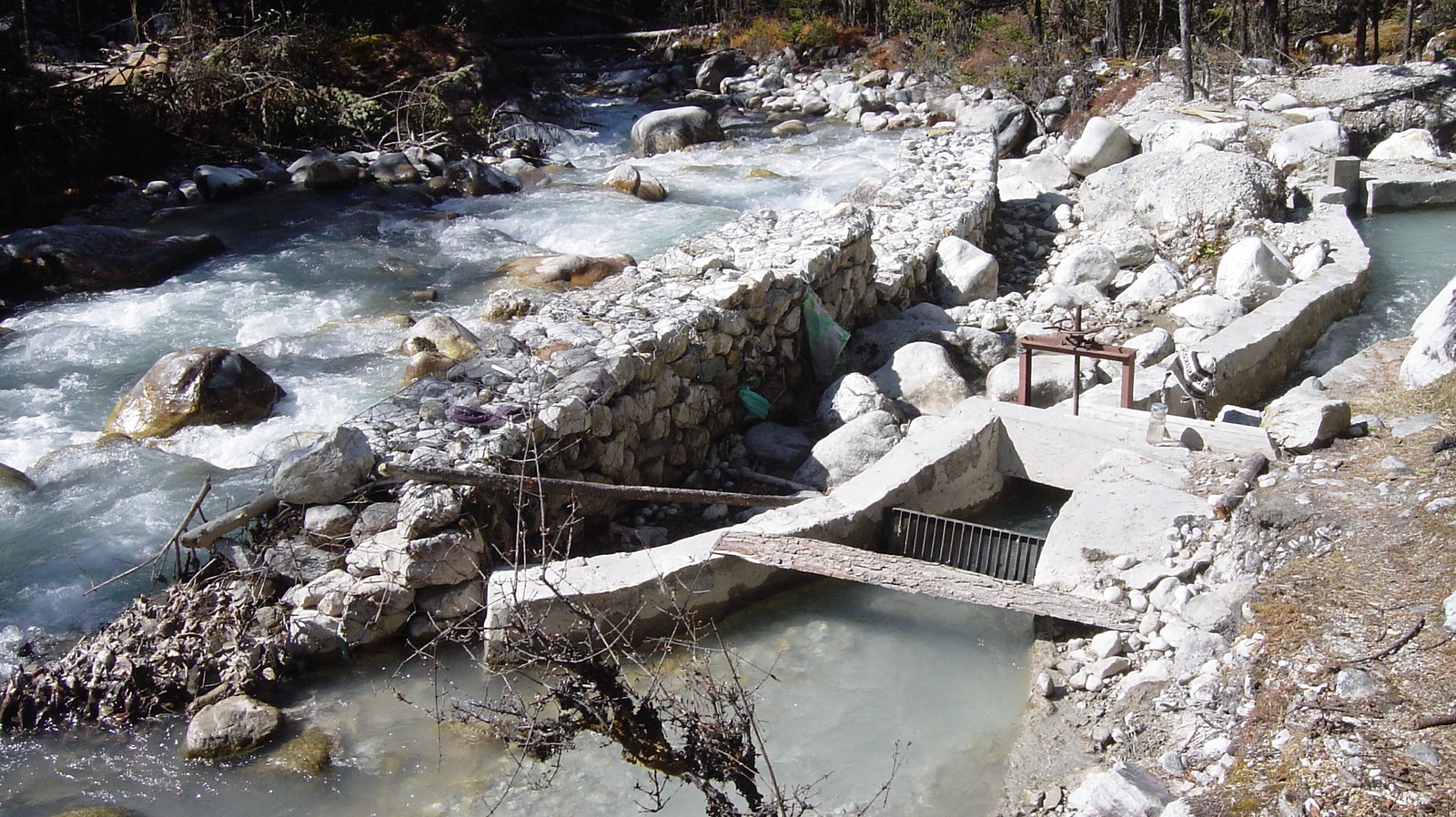
Here’s something that might surprise you: with over 3,000 mini-grids, Nepal arguably leads globally in the proportion of its population connected to decentralized renewable mini-grids for rural electrification.
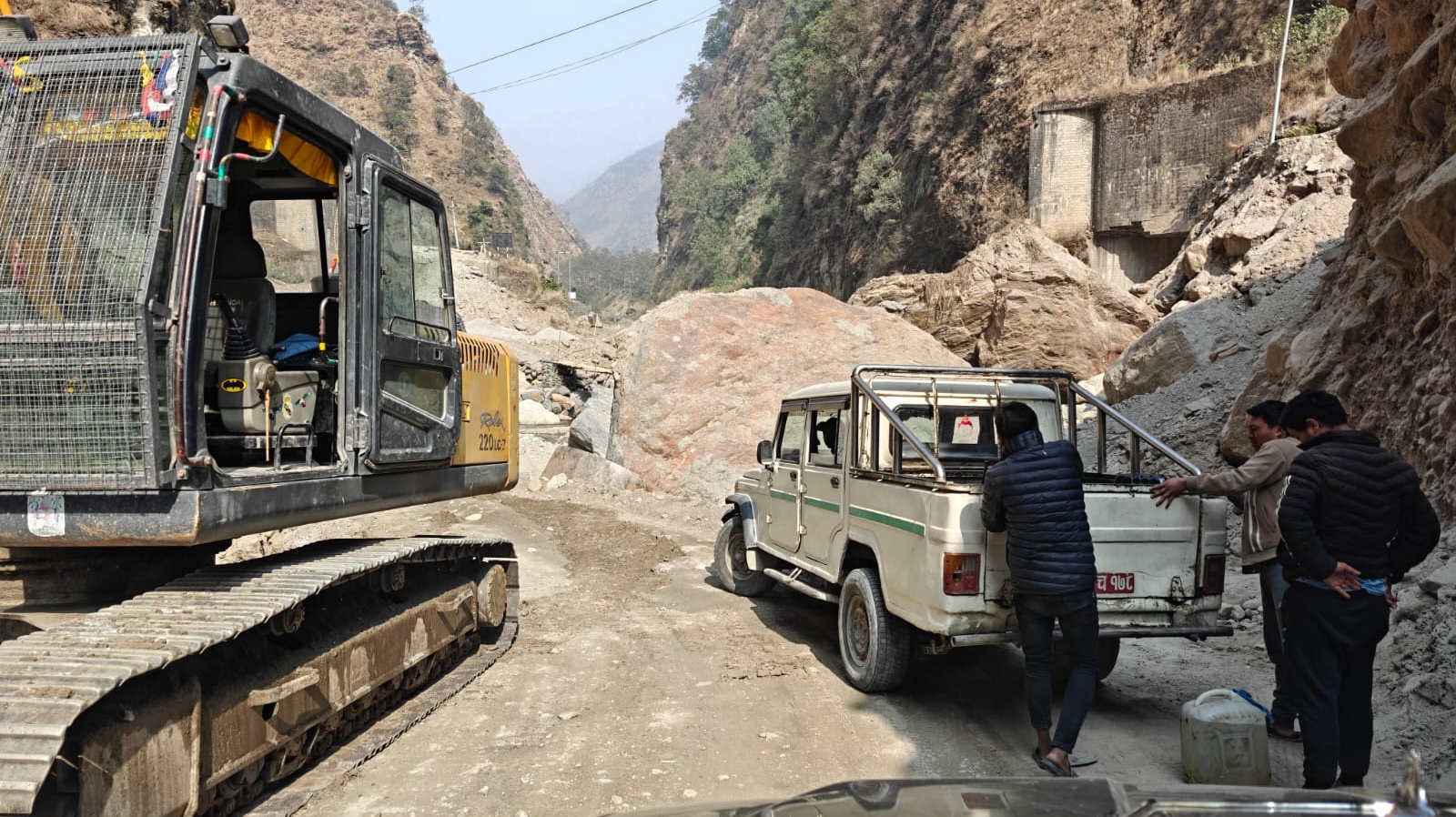
A major cause of Nepal’s poor infrastructure is the prevailing mindset of patchwork repairs rather than building good-quality projects with low maintenance costs.
For a strong infrastructure base, the participation from both the government and private sector, and legal and policy foundation is essential.