Regional tourists contribute significantly to Nepal’s visitor base, accounting for about 41.1% of total arrivals in 2023, with Indian, Chinese, and Bangladeshi tourists accounting for 31.52%, 5.99%, and 3.59% of the total tourist arrivals.
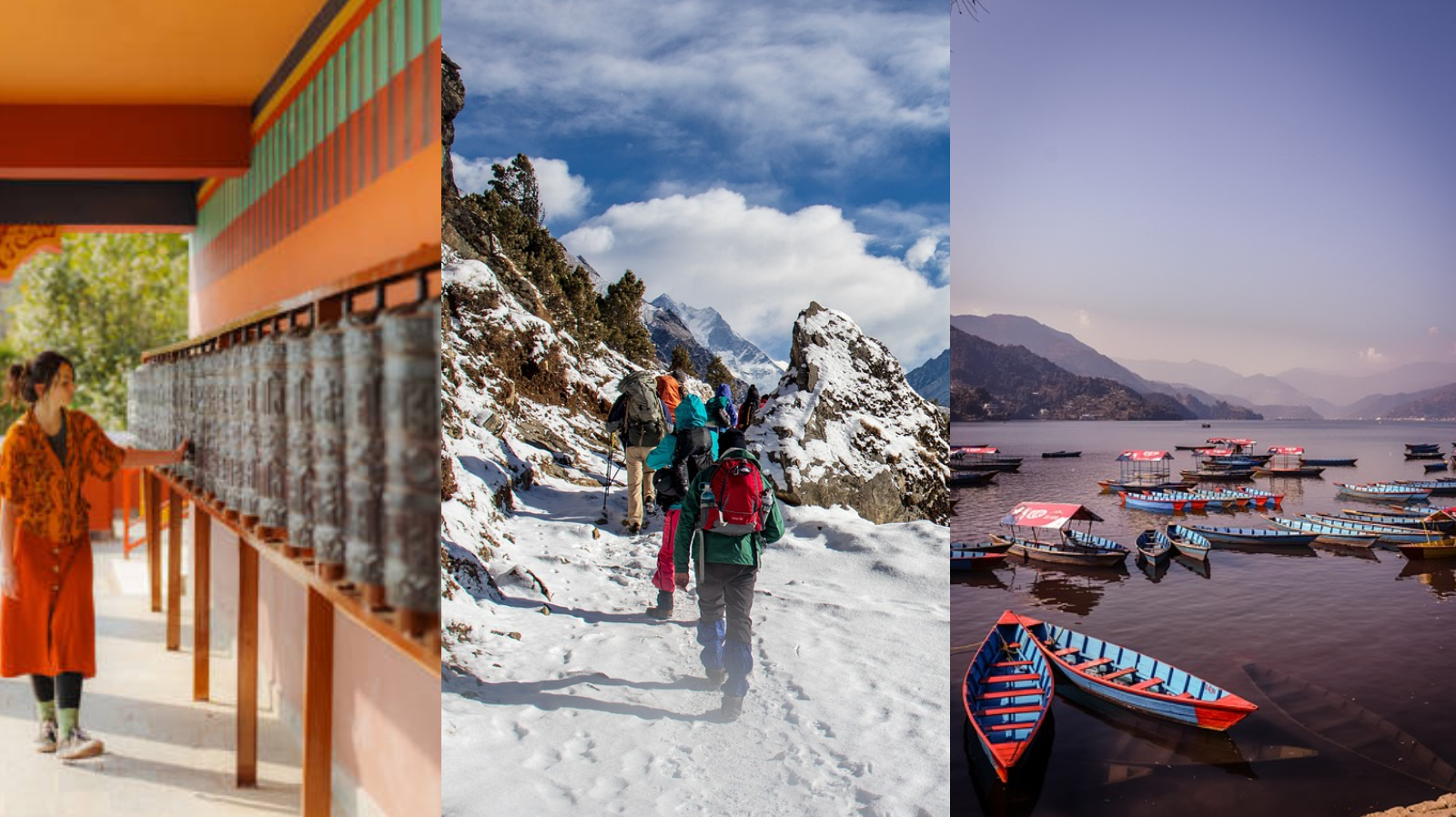

Regional tourists contribute significantly to Nepal’s visitor base, accounting for about 41.1% of total arrivals in 2023, with Indian, Chinese, and Bangladeshi tourists accounting for 31.52%, 5.99%, and 3.59% of the total tourist arrivals.

The transformation of Mustang presents both a cautionary tale and a blueprint for future development in Nepal’s mountain regions and the region’s success will depend on striking a delicate balance: leveraging improved accessibility to promote sustainable tourism while preserving its unique cultural heritage.

In fact, by 2013, 51% of leisure travelers were already pursuing food-focused trips, according to American Culinary Traveler.

The biggest challenge to the development of agro-tourism remains the low awareness amongst farmers about the benefits and profit of agro-tourism.

Nepal’s tourism sector has shown robust growth in recent years to become a major component of the national economy.

If everything is done right, tourism will re-kindle the economy within the coming years and provide jobs to millions.