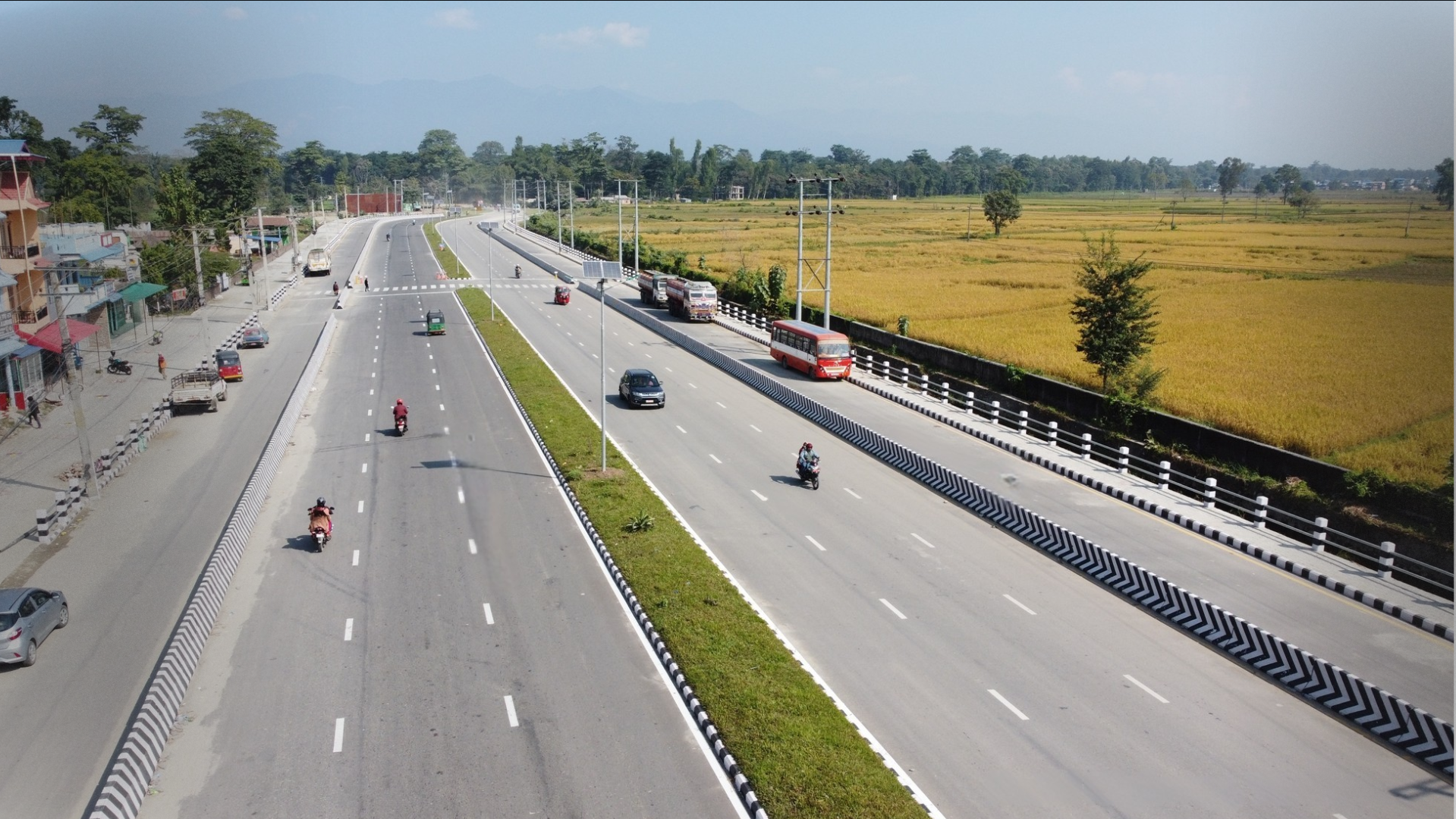
Nepal’s economy is transforming beyond Kathmandu. This shift is fueled by private sector-led growth, improved connectivity, and rising regional hubs. It challenges the notion that the capital’s stagnation signals national decline.
Nepal’s rich agricultural and cultural products remain economically undervalued due to the absence of a functional Geographical Indication system, resulting in lost revenue, weak brand protection, and missed opportunities for rural development.
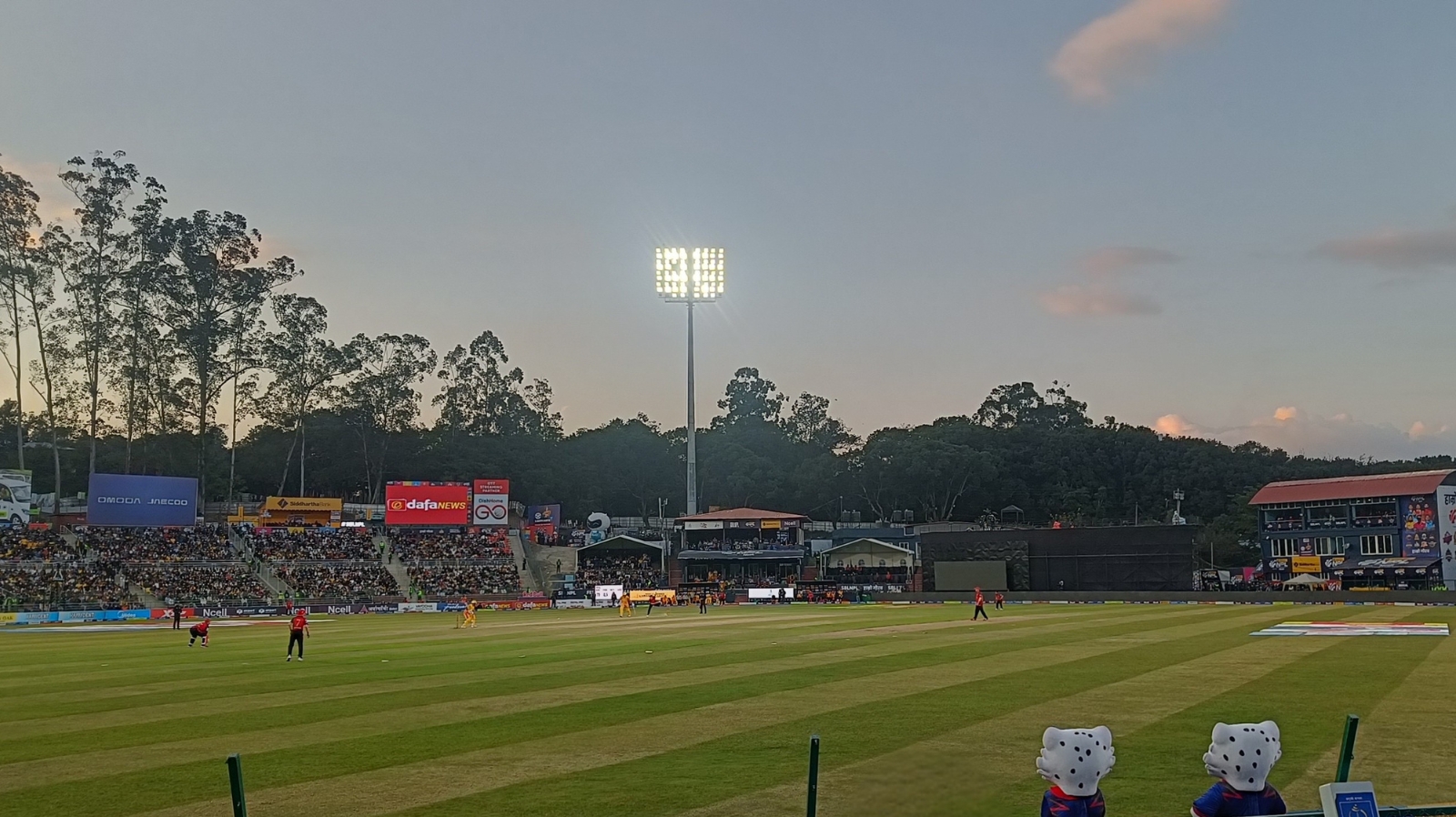
In a country where negativity, rumors, and doomsday prophecies often dominate public discourse, Nepal Premier League (NPL), the homegrown franchise Twenty20 cricket league, offered a rare breath of fresh air.
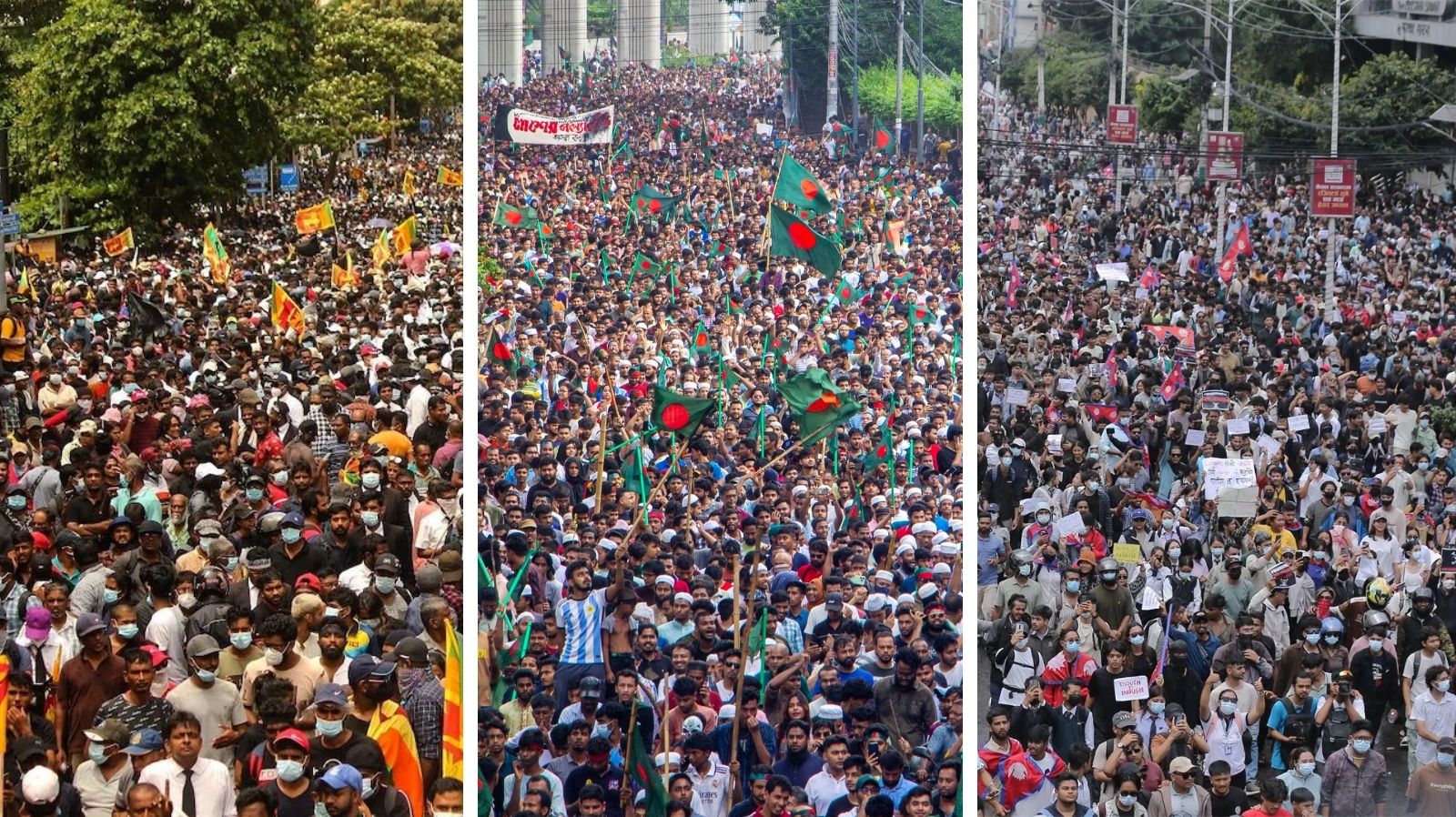
The lesson is crystal clear: the cost of inaction and governance failure can be catastrophic while proactive, accountable leadership is the only light that can guide a nation through dark and challenging times.
Nepal’s challenge is not a lack of resources. It is the lack of effective management, coordination, and intent.
According to the Nepal Living Standards Survey-IV 2022-23, as many as 50.6% of individuals living in poverty have no education, with only 6.9% completing secondary school.