The Constitution is the supreme law of the land, shaping governance, safeguarding rights, and guiding Nepal’s democratic journey toward justice, equality, and inclusivity.

The Constitution is the supreme law of the land, shaping governance, safeguarding rights, and guiding Nepal’s democratic journey toward justice, equality, and inclusivity.
Nepal shifted from monarchy to democracy in 1990, became a federal republic in 2008, and the past 19 years have been defined by constitution-making, federal restructuring, and frequent political changes.

While some people talk about the stability of the single party authoritarian Panchayat rule, they tend to forget that no prime minister has seen a full five-year term so far; therefore, instability has always been constant in Nepal.

The highest level of corruption was found in the planning and implementation process, with engineers, employees and executive officers, who have the most responsibility of leading and carrying out works, as being the most corrupt.
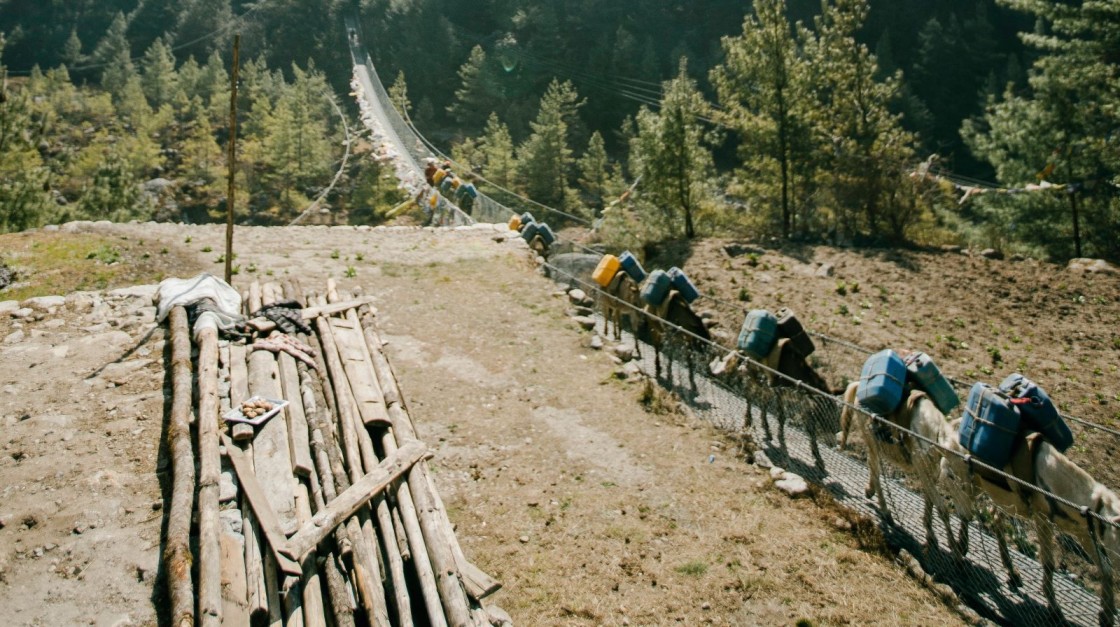
Nepal currently faces trade challenges as a result of its lower comparative advantage.

The generation that will lead Nepal in 2030 will be driven by pragmatism rather than ideologies of the bygone era that consumed their parents and grandparents.