As the plane prepared to land, the view from 10,000 feet looked much the same as it had on countless other flights into Kathmandu, but I knew we were about to encounter a new Nepal. I was curious as to what awaited.
At the Tribhuvan International Airport, we breezed through customs and immigration and collected our luggage in record time. When I had been the Ambassador of the United States to Nepal, I remember talking with tourism leaders about the importance of first impressions. My trip to Nepal this time was off to a good start. Much better than my last visit, in 2022.
On our ride to the hotel, both my wife and I were struck by how clean the city looked. Even the Bagmati River, which in the past was fetid and stagnant, sparkled brightly in the morning sun.
It wasn’t just the cleanliness of the streets, though. The air itself seemed fresher, and the pollution that had plagued the Valley in the past was absent. At first, I thought the unseasonal rains had helped clear the air. Perhaps they had. But then a friend pointed out the electric vehicles in the city. I began to pay attention. They were everywhere, and what a difference they were making to the air quality, and the environment.
Here was tangible proof that smart policies can make a difference.
It helps, of course, that the load shedding blackouts that were a routine part of life during my time as an ambassador are now a thing of the past. With reliable and relatively inexpensive electricity the norm, the shift to electric makes more sense, and charging infrastructure seems to be expanding to keep pace. Seeing this difference was amazing.
The more I looked, though, the more I saw change that went beyond the glitzy vehicle and motorcycle showrooms. There seems to have been a surge in the number of cafes and new restaurants — including vegan ones, which I was happy to see given my wife and I are plant-based in our diet. The city felt alive with new energy. New shops for upscale clothing, little boutiques, and art galleries seem to have sprung up everywhere, blending in — and occasionally clashing with — traditional neighborhoods and long-standing shrines.
And, even more than my last visit, Kathmandu has become a digital city. Folks seem to use smartphones for everything, and there are ridesharing apps that make getting around the city easier than ever. I’m told there’s even a QR code at Pashupatinath temple, and other major temples, that makes donations via smartphones easy. Even Google Maps has made navigating Kathmandu’s streets less daunting than it once was.
More than the physical changes, or the changes brought by the digital revolution, I was struck by the intangibles. The sense of excitement and hope associated with the new Rastriya Swatantra Party (RSP)-led government was palpable. Not everyone might love the RSP’s rise to power, but very few truly seemed to mourn the passing of the old guard politicians and the corruption associated with their tenure.
Last year, we saw a new generation rise and speak out against this pernicious problem and the persistent failure of governance in Nepal. The Gen Z movement drove change, and the Nepali people have now elected a government committed to ending corruption. The hope that the government would keep its promises is everywhere.
The overwhelming majority of those with whom I spoke seemed to believe that there would be real change. Meaningful change. They said they want a government that works and delivers on its promises. That kind of government is not something that the Gen Z idealists have ever known. Their hopes and expectations are high, though.
My hopes are high too, but I wait to see if this new generation of leaders will truly strike a new path, or if they will prioritize the pursuit of power over the national interests, as so many before them have done.
I came away from my trip feeling that this is indeed a new Nepal. One poised on the cusp of tremendous change. However, there are no guarantees. The government will have to decide how to wield the power it has been granted in its dominating victory.
Ever since the end of the monarchy, Nepal has been a nation in search of an identity. I believe that search continues.
Electric vehicles and smartphones are great, but they don’t answer the question of what it means to be Nepali, in a still-new democratic republic in 2026. The Gen Z movement demanded a government that delivers jobs and services; a government determined to root out corruption that has been the status quo in the halls of power for way too long. The question now is what these same young men and women will demand of themselves as citizens who will help shape the future of this new Nepal.
Time will tell what choices they, and the government they elected, will make.
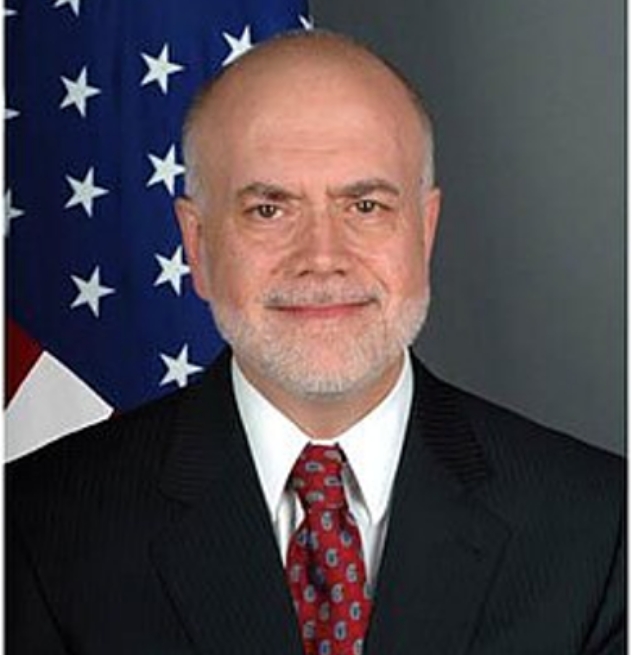
Scott H. DeLisi is a retired U.S. Foreign Service Officer with over three decades of diplomatic experience across Asia and Africa. He served as the Ambassador of the United States to Nepal, Uganda, and Eritrea, and as Deputy Chief of Mission at the American Embassy in Botswana. His postings also spanned India, Madagascar, Pakistan, and Sri Lanka, alongside various roles in Washington, D.C. DeLisi holds a law degree from the University of Minnesota and is a native of Minnesota. For the past ten years he has led Engage Nepal, a non-profit dedicated to working with vulnerable communities in Nepal and empowering them to change the future for themselves and their families. He also speaks French and Urdu.