Nepal earns abroad, spends at home, and struggles to build at home. The real remittance trap isn’t the money coming in, it’s an economy that hasn’t learned how to turn it into productive capacity.
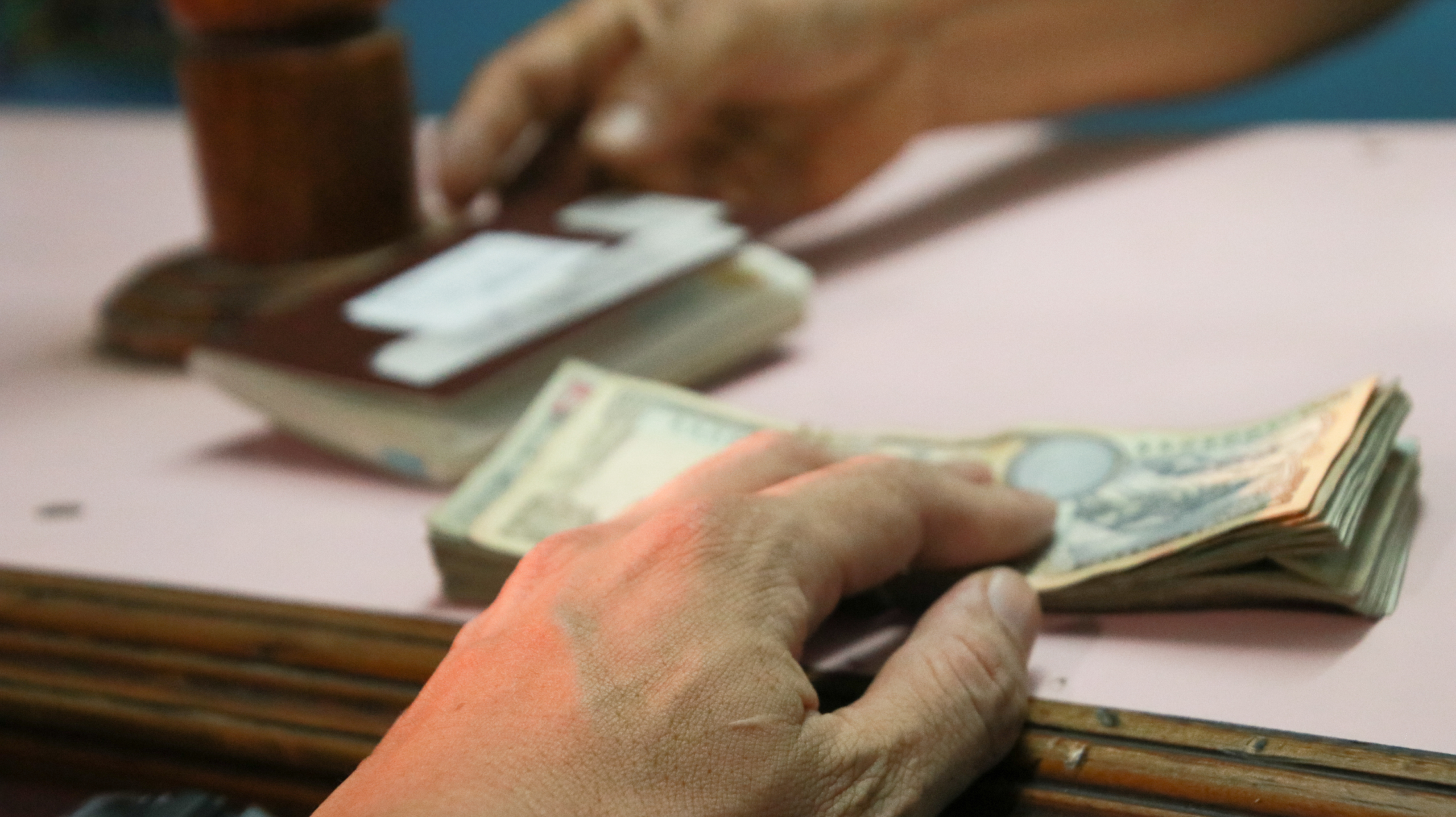

Nepal earns abroad, spends at home, and struggles to build at home. The real remittance trap isn’t the money coming in, it’s an economy that hasn’t learned how to turn it into productive capacity.

Despite predictions of collapse, South Asia’s remittances and migration flows proved remarkably resilient through COVID-19, though the pandemic exposed deeper, unresolved risks in the region’s heavy reliance on Gulf labor markets.

With the departure of more skilled workers, the composition of white-collar and blue-collar workers should change leading to more remittance inflow to the country.
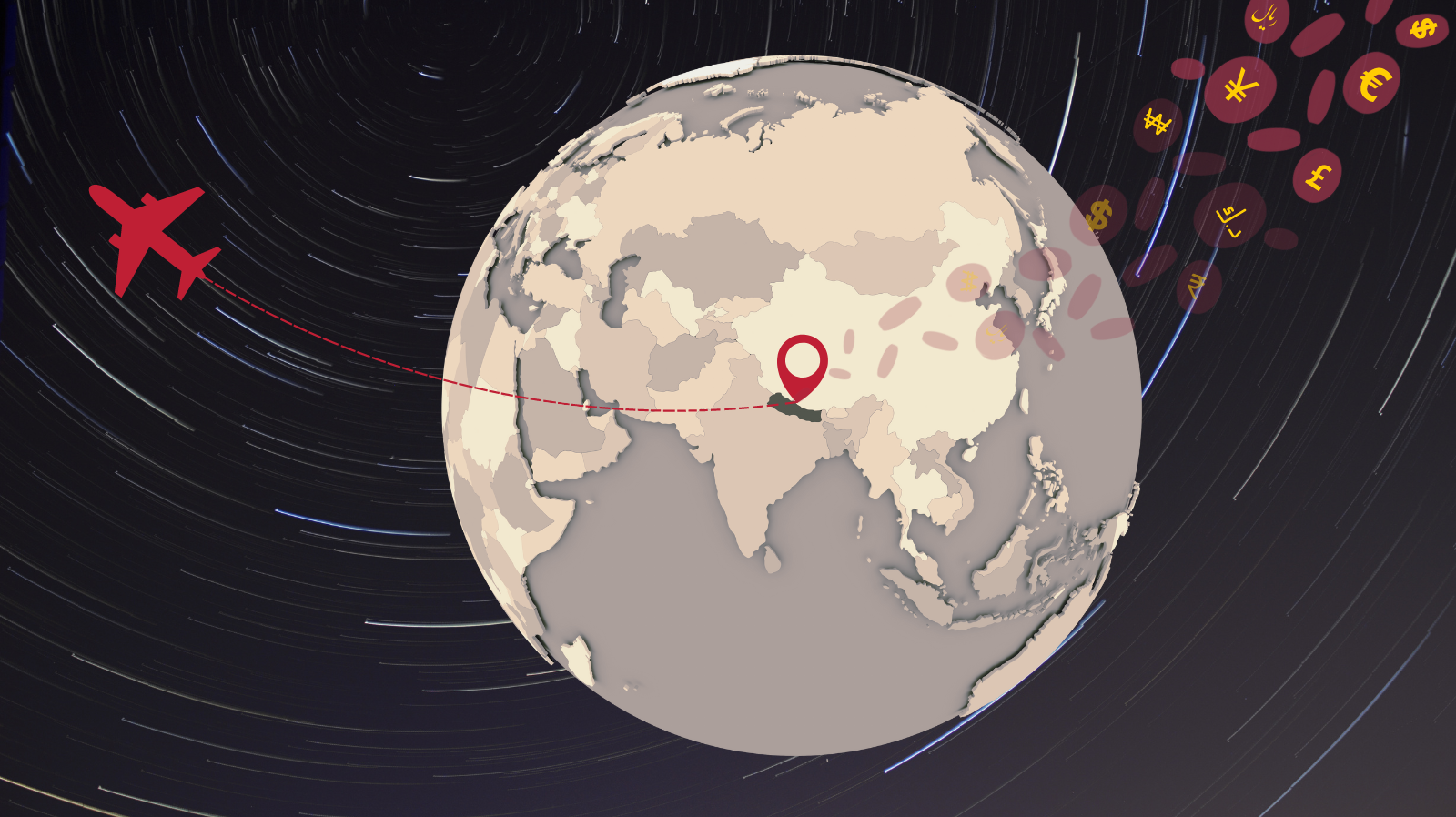
Without its migrant workers, where would Nepal be? This research article reexamines Nepal’s development story through the lens of international migration and makes a compelling case for Nepali migrants voting with their feet to escape poverty.
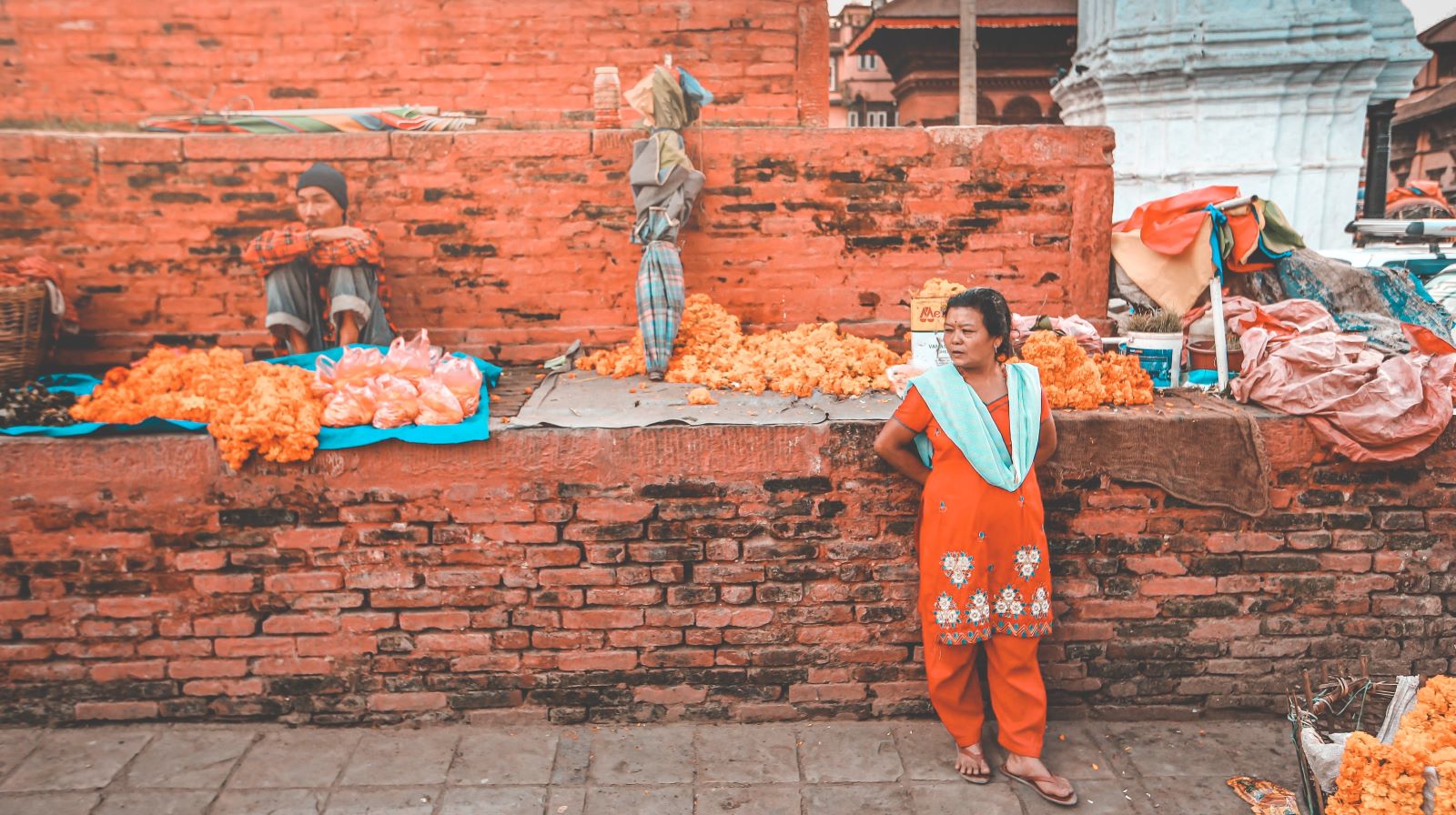
An increase in demand for goods and services during festivals does stimulate the economy.